Doing It Yourself
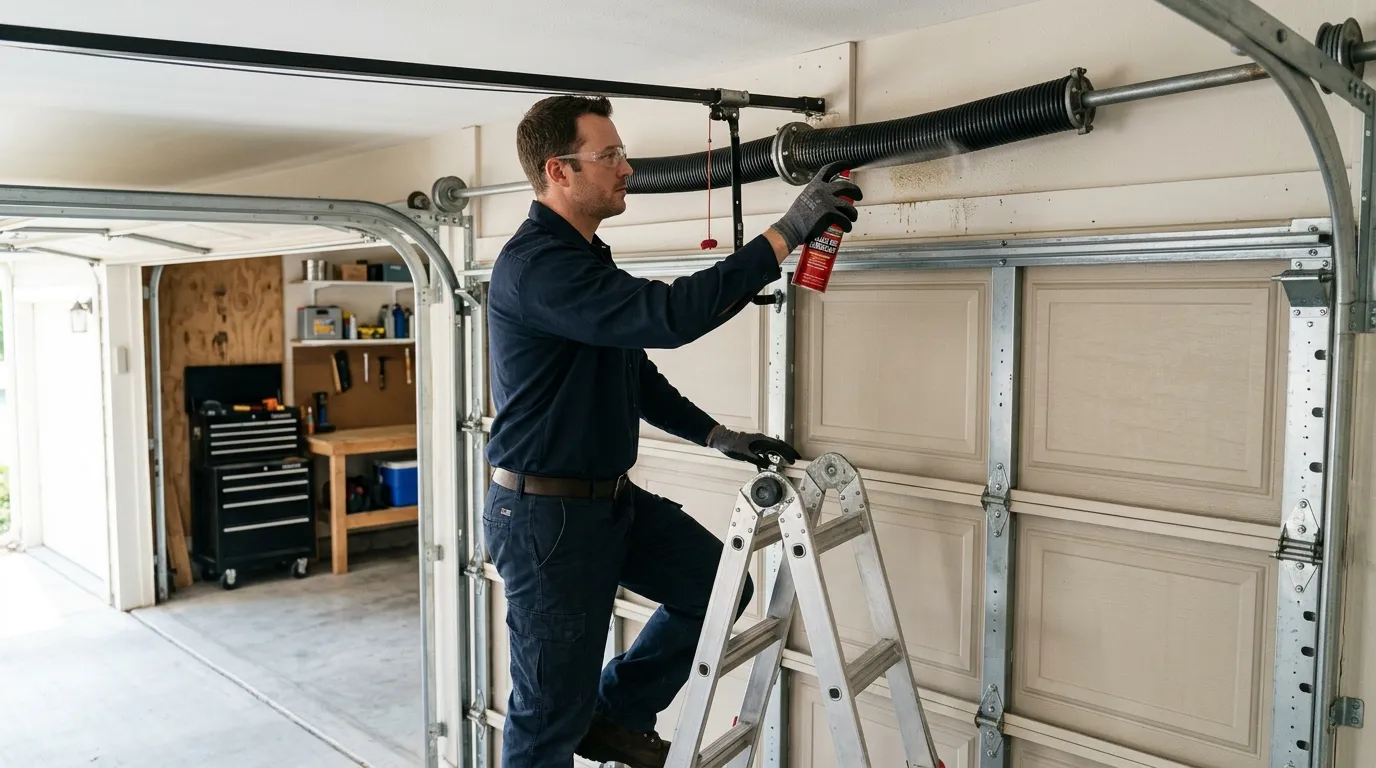
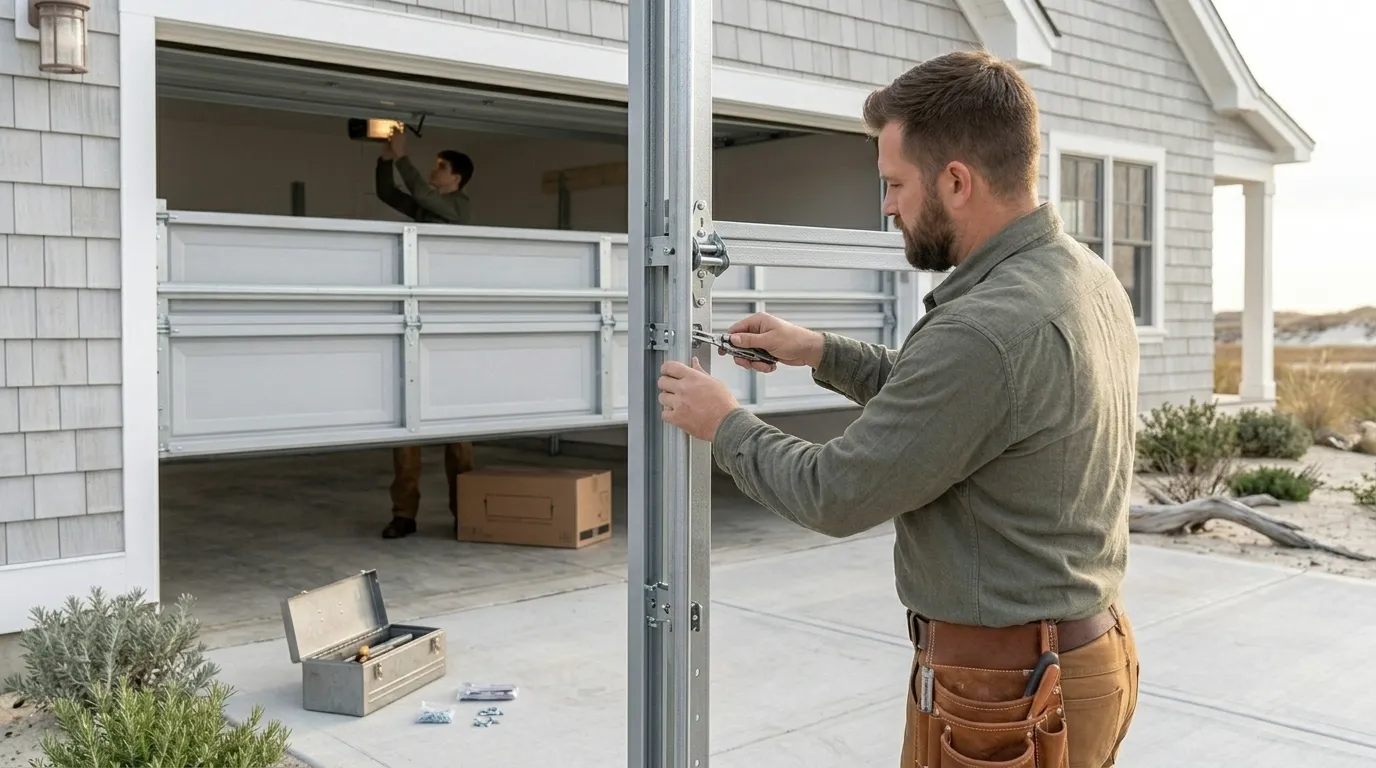
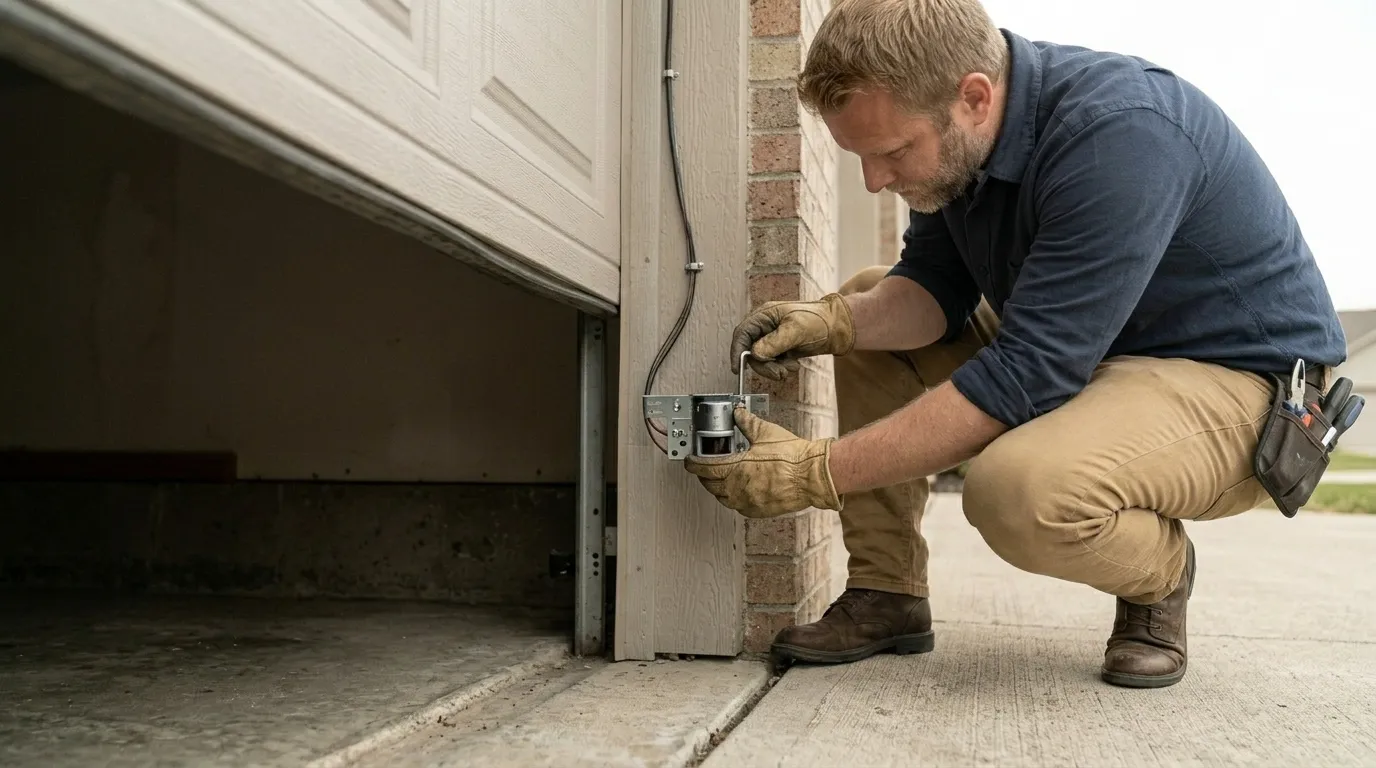
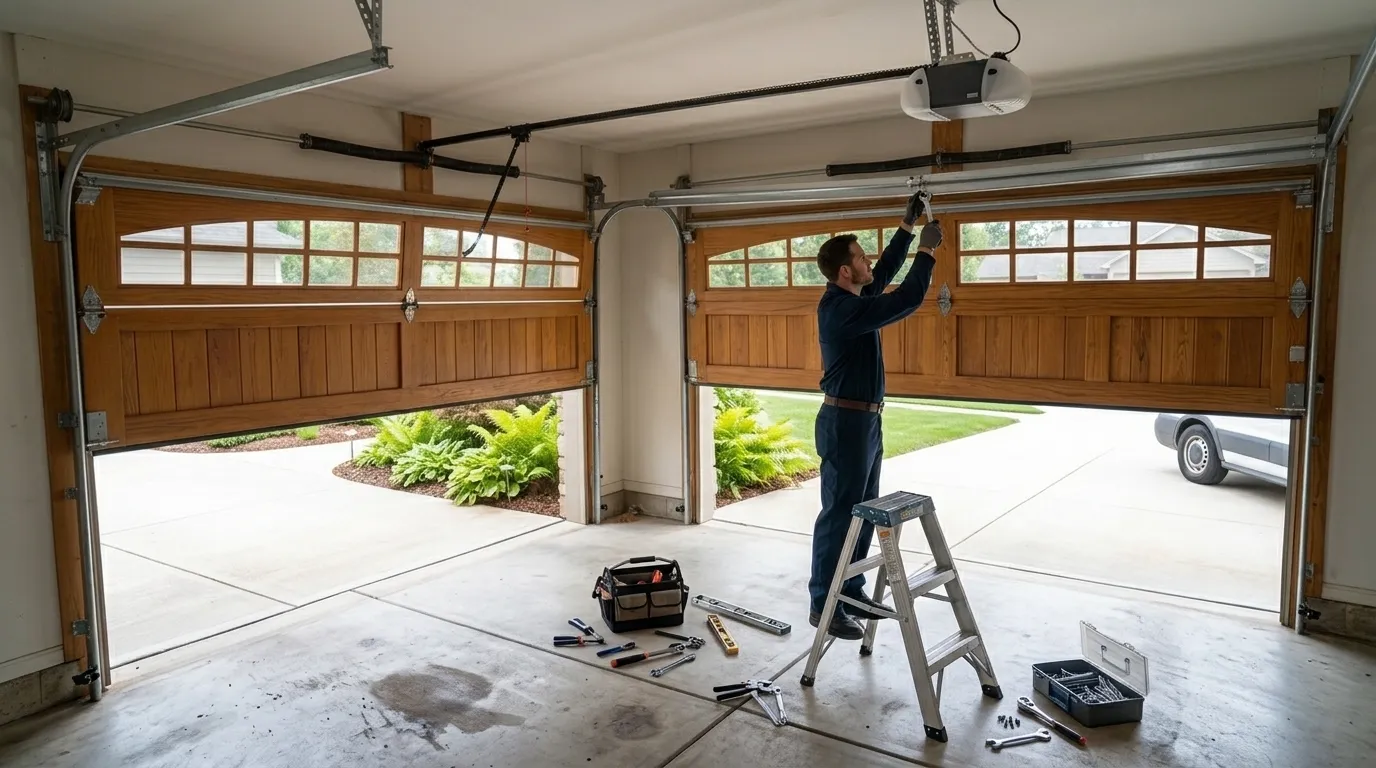
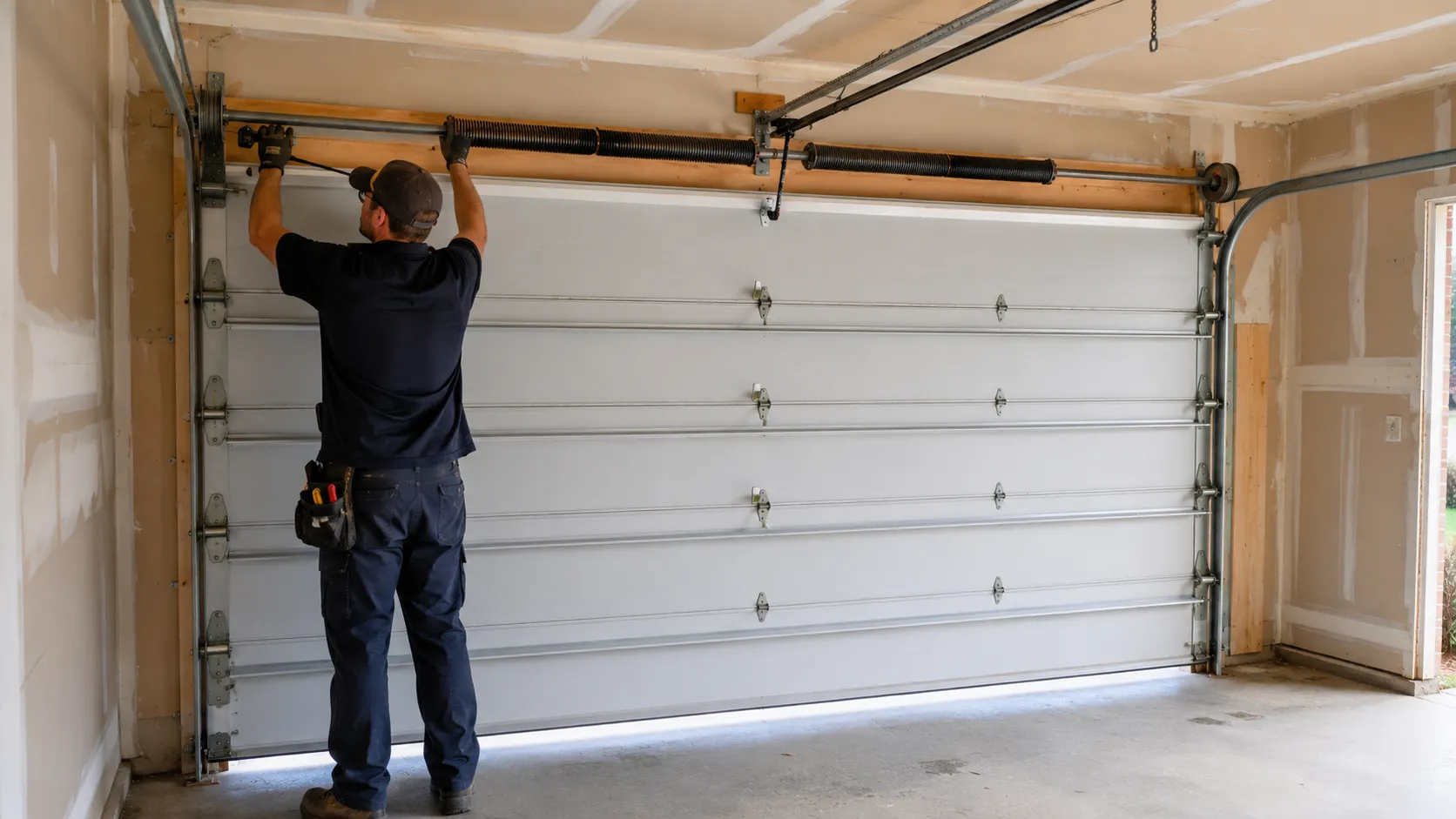
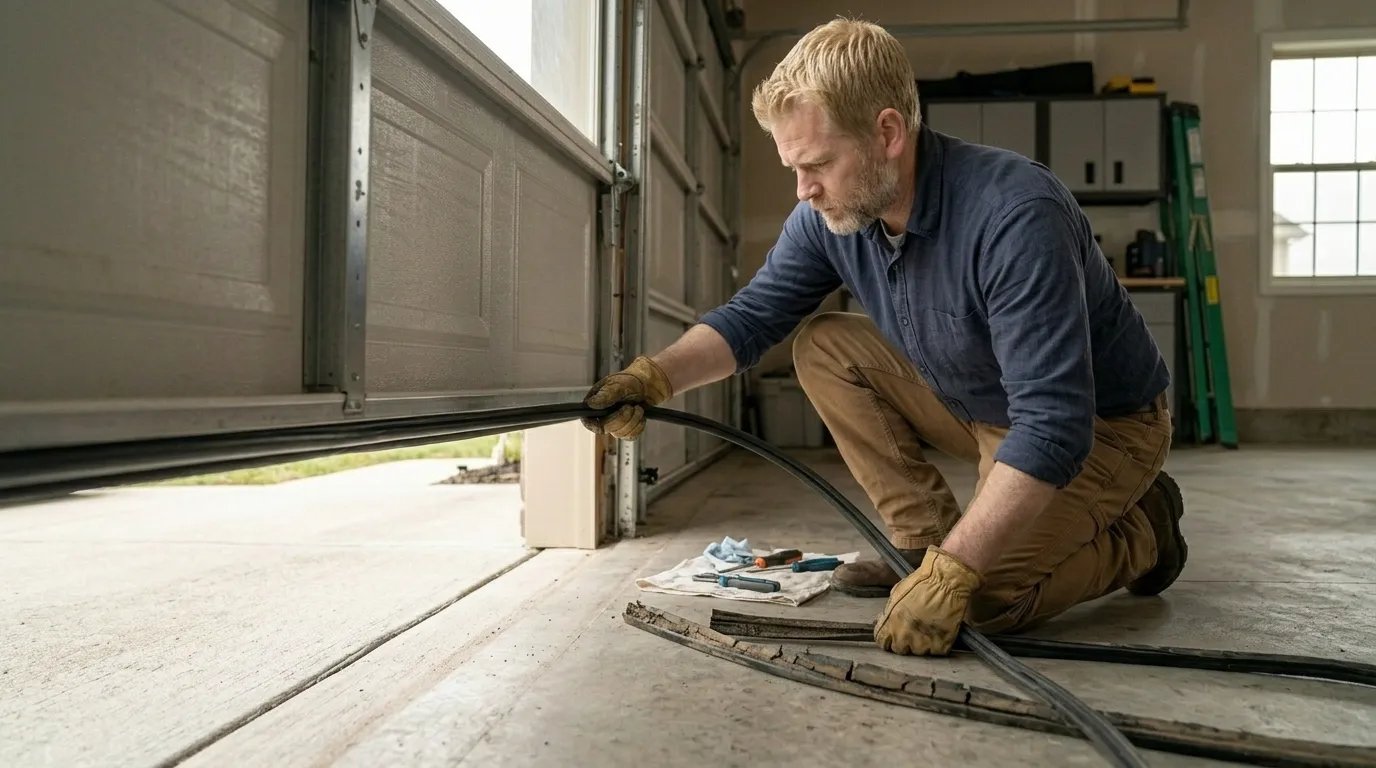
Most garage doors in San Juan Capistrano went up around 1979, ahead of the wider service area's 1982 median, and that era means steel sectional panels riding on extension springs mounted along the horizontal track rather than the torsion bars you'd find on a newer build. You can do some of the upkeep yourself. Wipe down the tracks and check for rust or bent sections, tighten loose hinge bolts by hand, and lubricate rollers and hinges a couple times a year with a light garage-door lubricant, not household oil, which attracts grit. What you should not touch is the extension springs themselves. They're under real tension, they're original-era hardware on a lot of these doors, and adjusting or replacing them without the right winding bars is how people end up in the ER, not the garage. If a door is sagging on one side, dragging on the track, or making a grinding noise when it opens, that's a call, not a project. We're not going to pretend every fix is a DIY job because it isn't, and pretending otherwise on a 40-plus-year-old spring system is a bad way to save forty dollars.
How Long You Are Without the Door
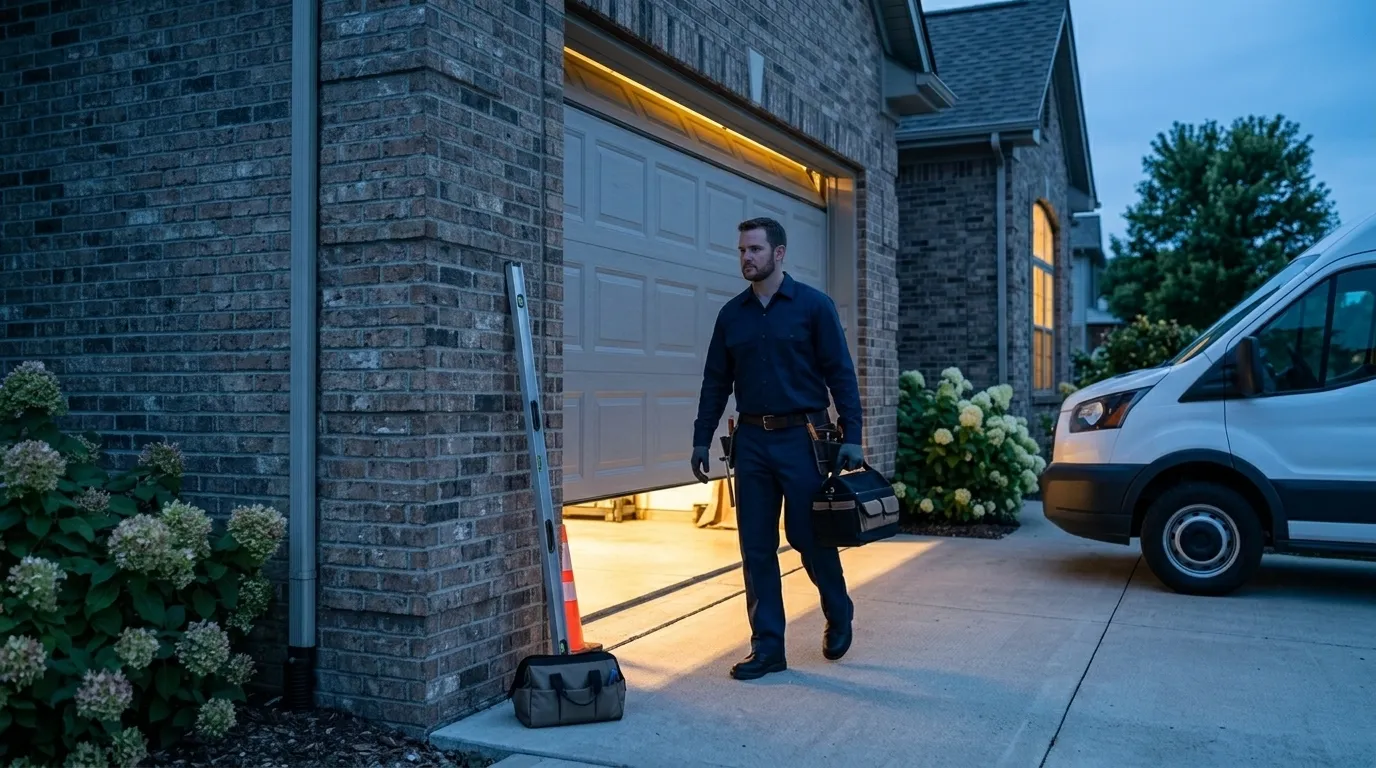
We run out of Dana Point, about 3 miles from San Juan Capistrano, so the drive itself isn't the bottleneck on most jobs. What actually determines how long your door sits broken is whether the part on your door is something we carry on the truck or something we have to order. Extension springs, standard rollers, and hinges for doors from this era are common enough that we typically have them on hand. Less common panel sections or older opener parts sometimes need to be sourced, and that adds days, not hours. We won't quote a fixed turnaround here because it depends on what's actually wrong with your door, but the honest version is: a spring or roller job is usually a same-visit fix, a full panel replacement on an older door is not.
What You Pay
Median household income in San Juan Capistrano runs about $127,893, noticeably lower than the $160,809 median across the wider Dana Point service area, and that gap shows up in how people here approach maintenance: more owners ask for a diagnostic visit and a repair estimate before committing to anything, fewer ask for a full door swap outright. We don't have a fixed price list to hand you here, because cost depends on what's actually failing, whether the part is in stock or has to be ordered, and how much of the hardware around it needs attention too. What we can say is that a spring or roller service call costs a lot less than letting a worn spring snap and take the cable or a track bracket with it. If you want current pricing for a specific job, that's a phone conversation, not something we'll guess at on a page.
What Can Go Wrong
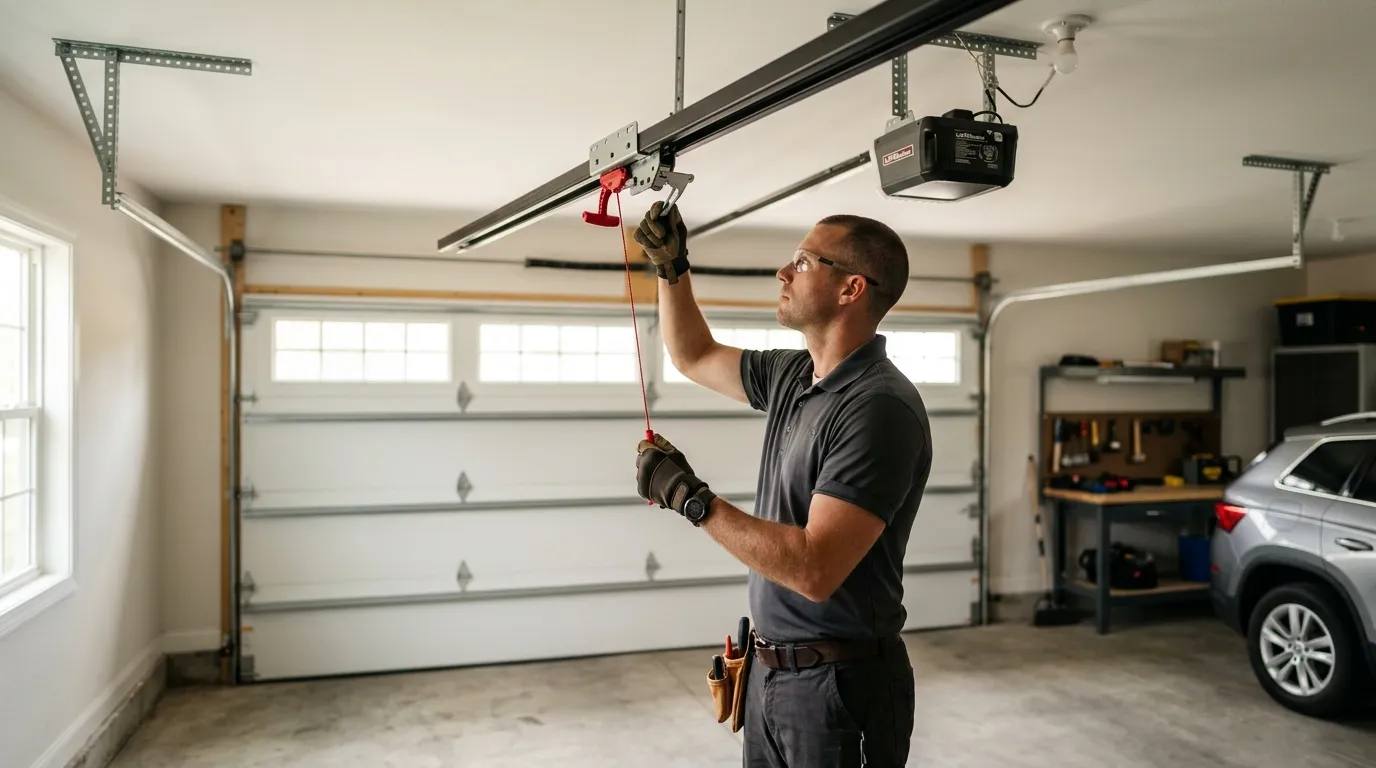
The mild temperate climate here doesn't put the extreme heat or freeze cycling on a door that you'd see somewhere with real seasons, so when a door from 1979 fails, it's almost always age and use catching up with it, not weather damage. Extension springs are the biggest risk on doors this old: they weaken gradually, and when one finally gives out, it can happen with the door partway up, dropping the panel section hard on whatever's underneath, a car bumper, a bike, a foot. Worn rollers that jump the track are the second-most common failure, and they usually give warning first, in the form of noise, before they actually derail. Original hinges that have loosened over decades of cycling can let a panel rack enough to bind against the frame, which then strains the opener motor trying to force it through. None of these are dramatic failures until the day they are, which is the whole argument for catching them at the noise-and-drag stage instead of the door-off-the-track stage.