Doing It Yourself
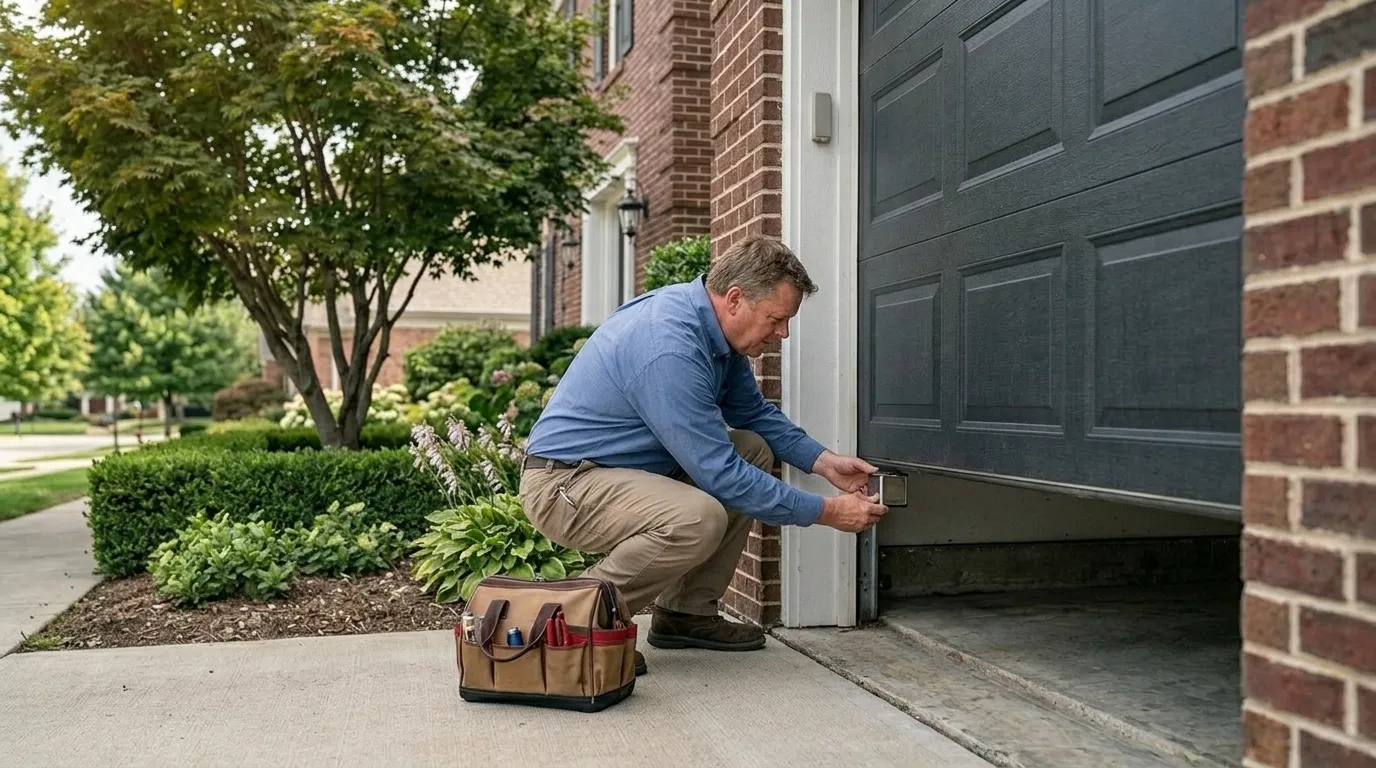
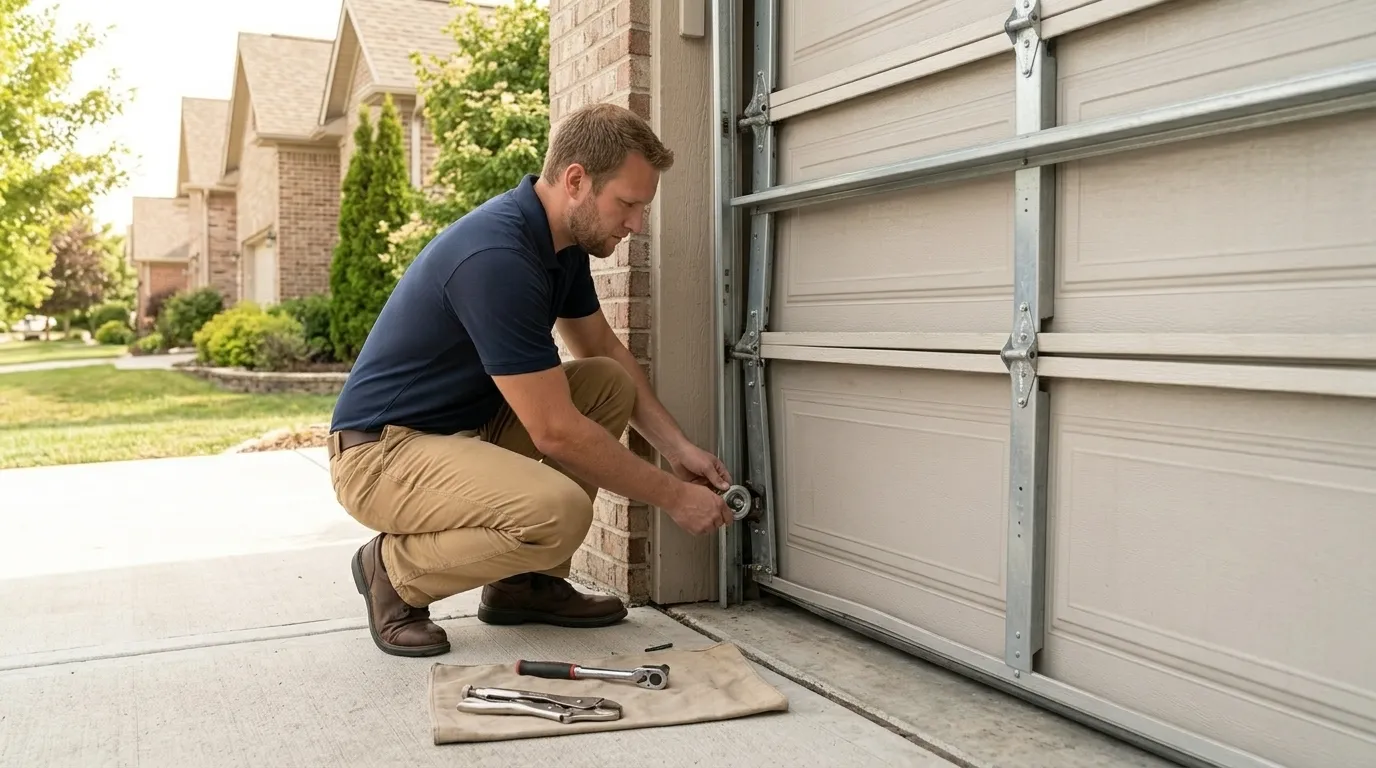
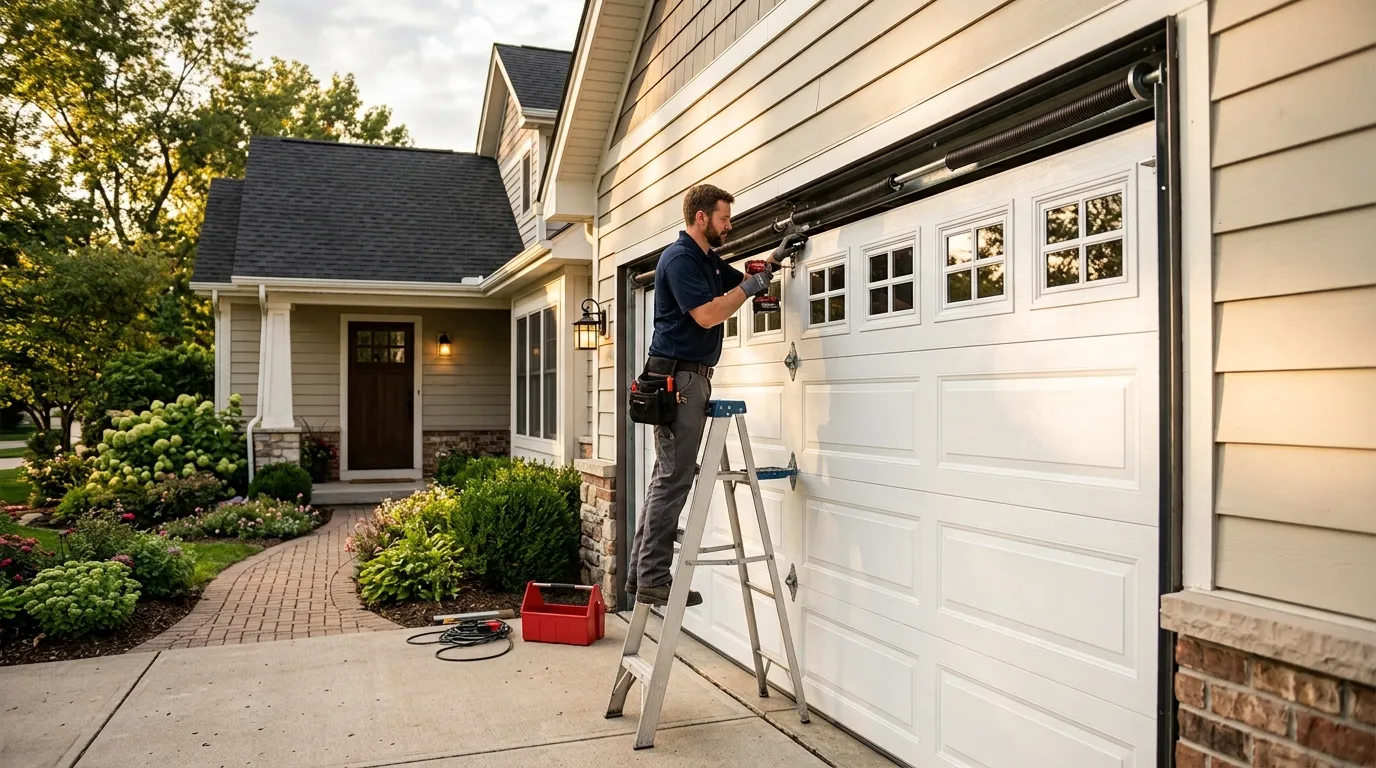
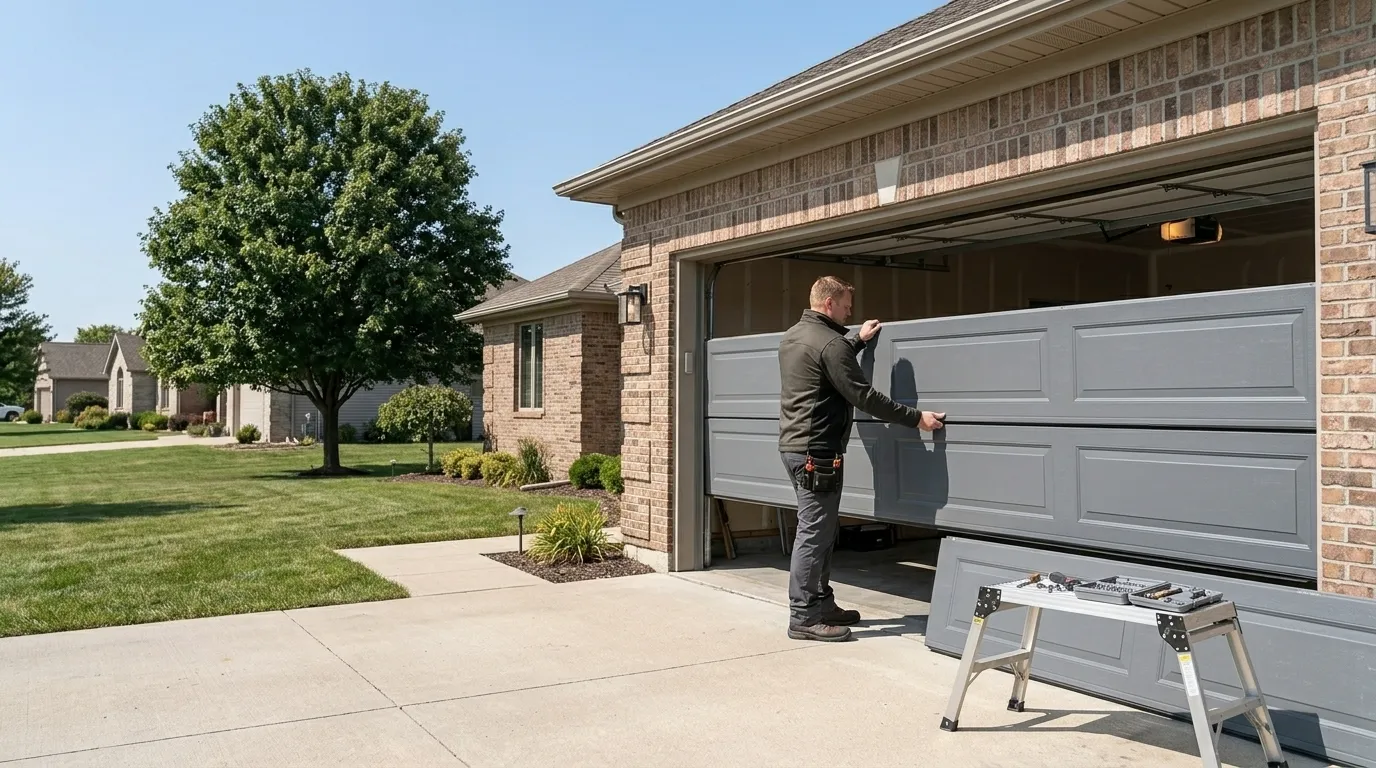
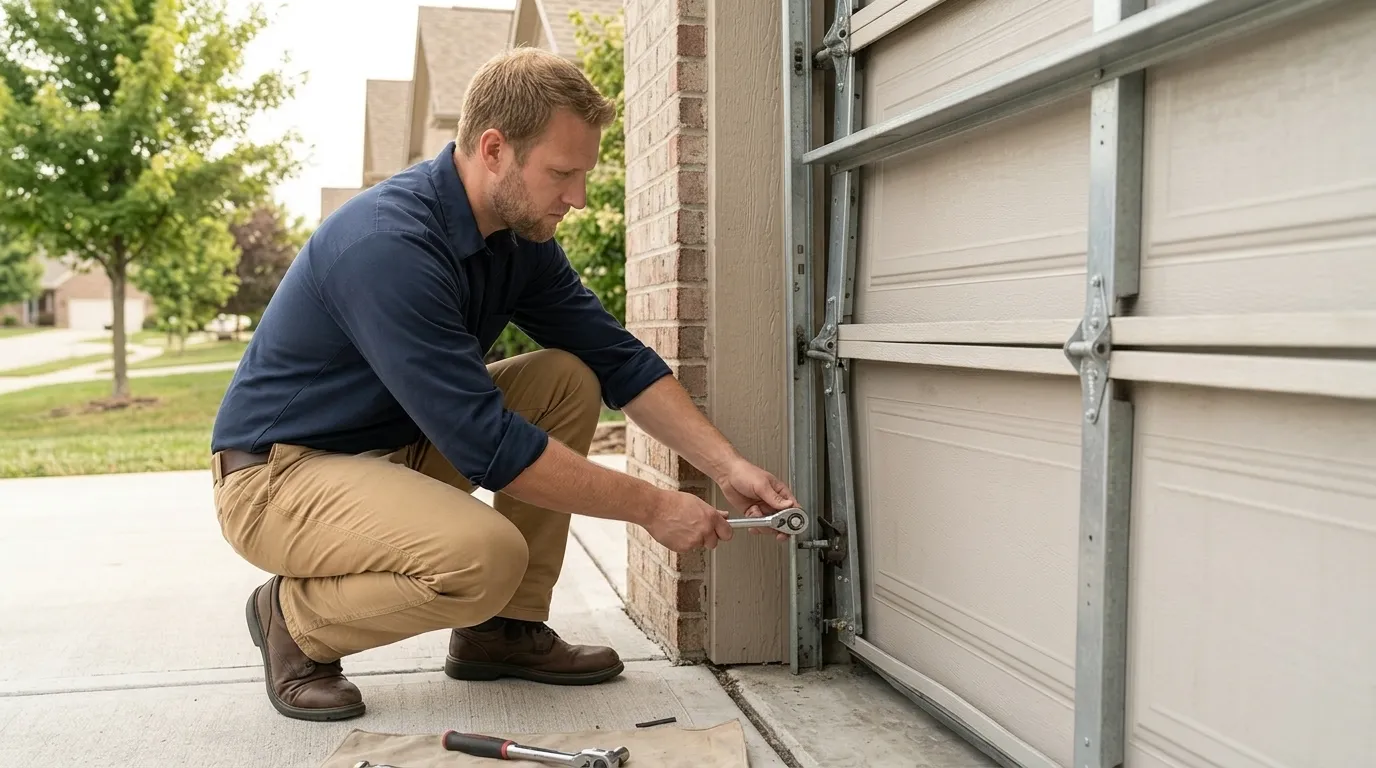
A lot of homeowners here look at a new door install as a weekend project, and for some parts of it, fine - trim, weatherstrip, a keypad. The door itself is a different animal. Houses in San Juan Capistrano mostly went up around 1979, which means the jamb and header were framed for a door size and spring system that isn't what's sold today. You can buy a door off a shelf, but hanging it plumb on an opening that's settled for over 40 years, then winding a torsion spring to the right number of turns for the new door's weight, is where people get hurt. A spring under full tension has enough stored force to break a wrist or worse if the winding bar slips. If you're comfortable swapping the bottom bracket or replacing rollers, do that yourself. Leave the spring conversion and the header work to someone who does it daily. We've been called out more than once to finish a job that started as a DIY install and stalled halfway, with the old door already off the track and no way back.
How Long You Are Without the Door
A straight swap - same size opening, new door on existing track and header - usually finishes in one visit. Where it runs longer is when the opening itself needs work: a header that's shifted out of square over the decades, or a jamb that needs shimming before a wider door will seat right. That's not rare in a town where most garages predate current sizing standards. We come from Dana Point, about 3 miles away, so travel isn't what adds time to the job - it's what we find once the old door comes down. We'll tell you on site if the opening needs framing work before the new door goes in, rather than forcing a door into a frame that isn't ready for it.
What You Pay
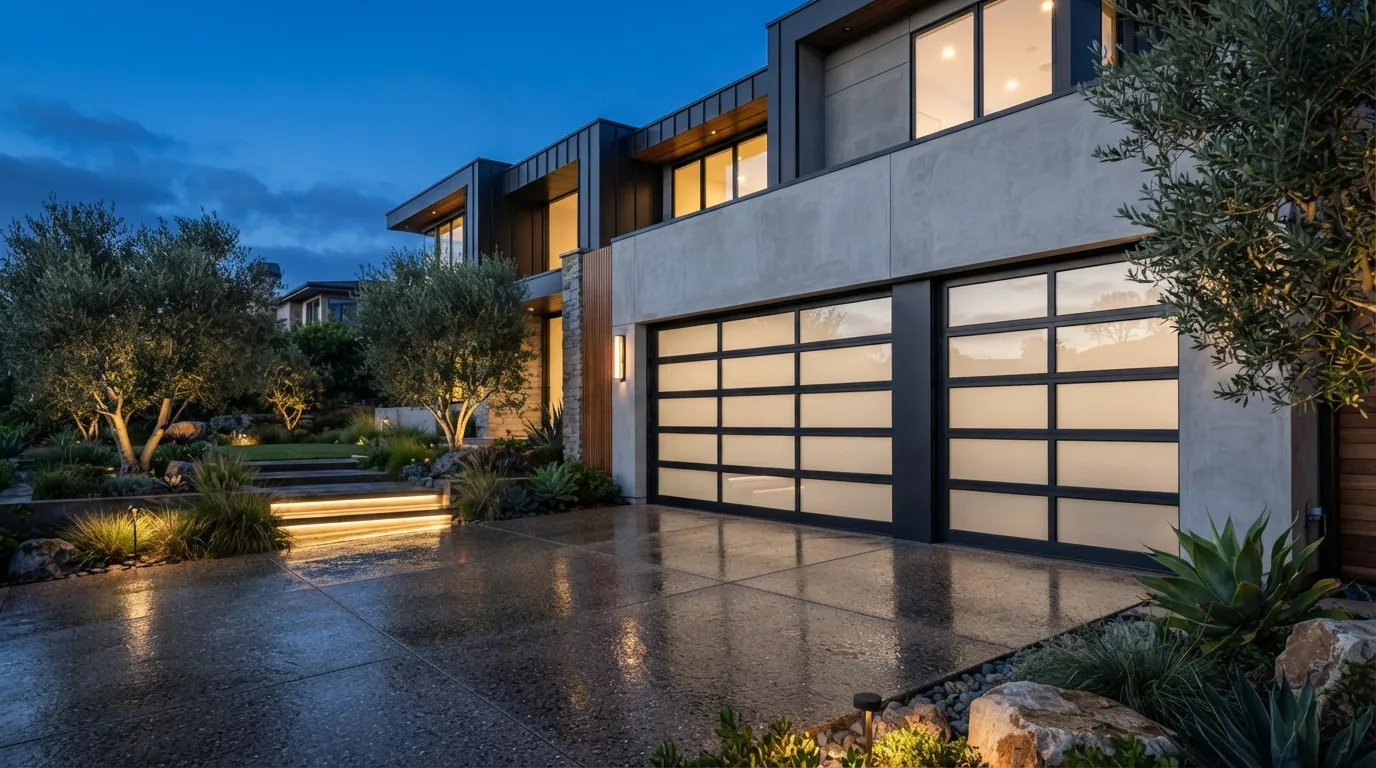
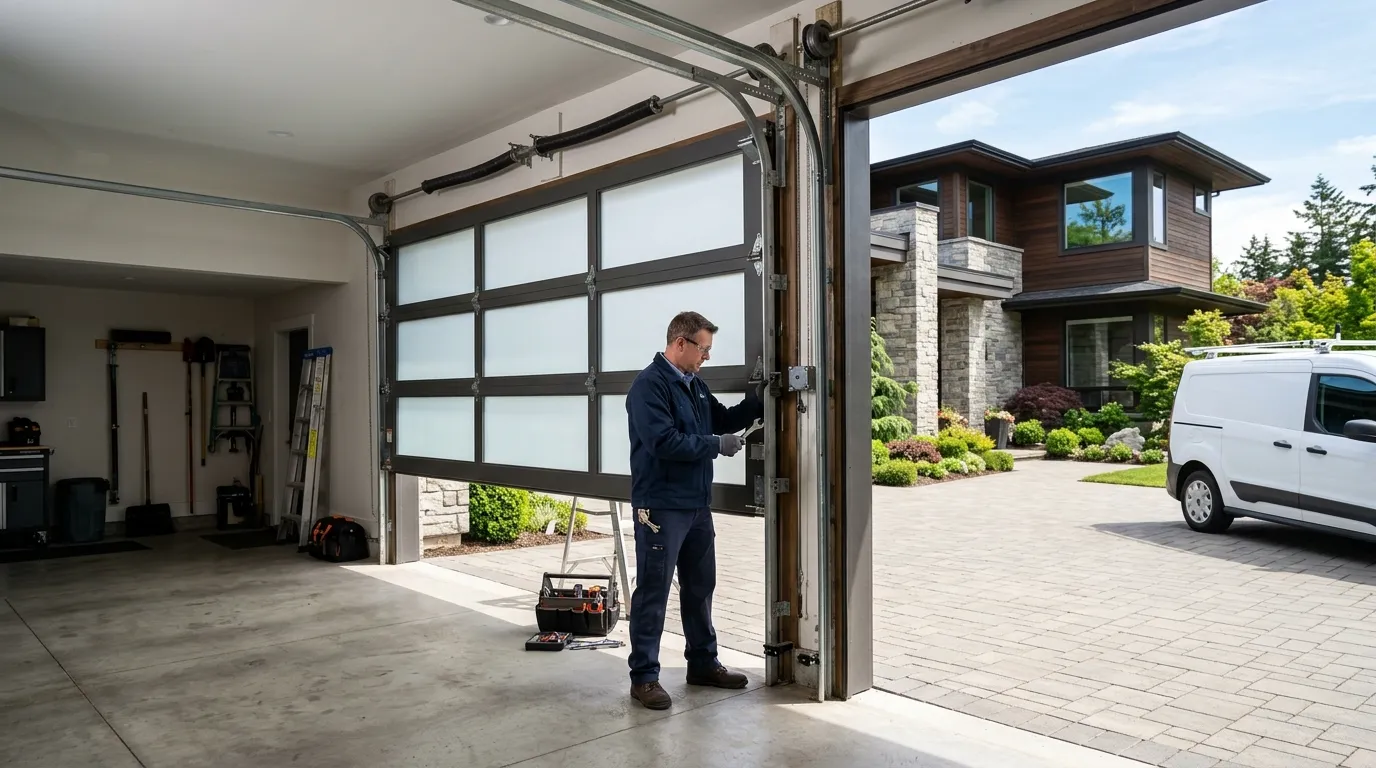
We don't post a flat number here because the job depends on the door you choose and what the opening needs before it goes in - and we're not going to guess at a price we haven't quoted. What we will say: San Juan Capistrano's median household income runs lower than some of the surrounding service area, and we see that reflected in what people ask for - solid, well-insulated doors without the premium glass-panel options that add cost without adding much to a house this age. We quote the job after we've looked at the opening, not before.
What Can Go Wrong
The most common surprise on a 1979-era install is the header. Framing lumber from that period wasn't always sized for today's heavier insulated doors, and if the header's undersized or has sagged, we have to reinforce it before the new door goes up - otherwise you're hanging a heavier door on a support that wasn't built for the load. Wiring is the other one: openers from a prior remodel sometimes got tied into circuits that don't meet current code, and a new opener install is where that gets caught. Neither of these is common enough to expect on every job, but they're common enough here that we check for both before we quote.