
Doing It Yourself
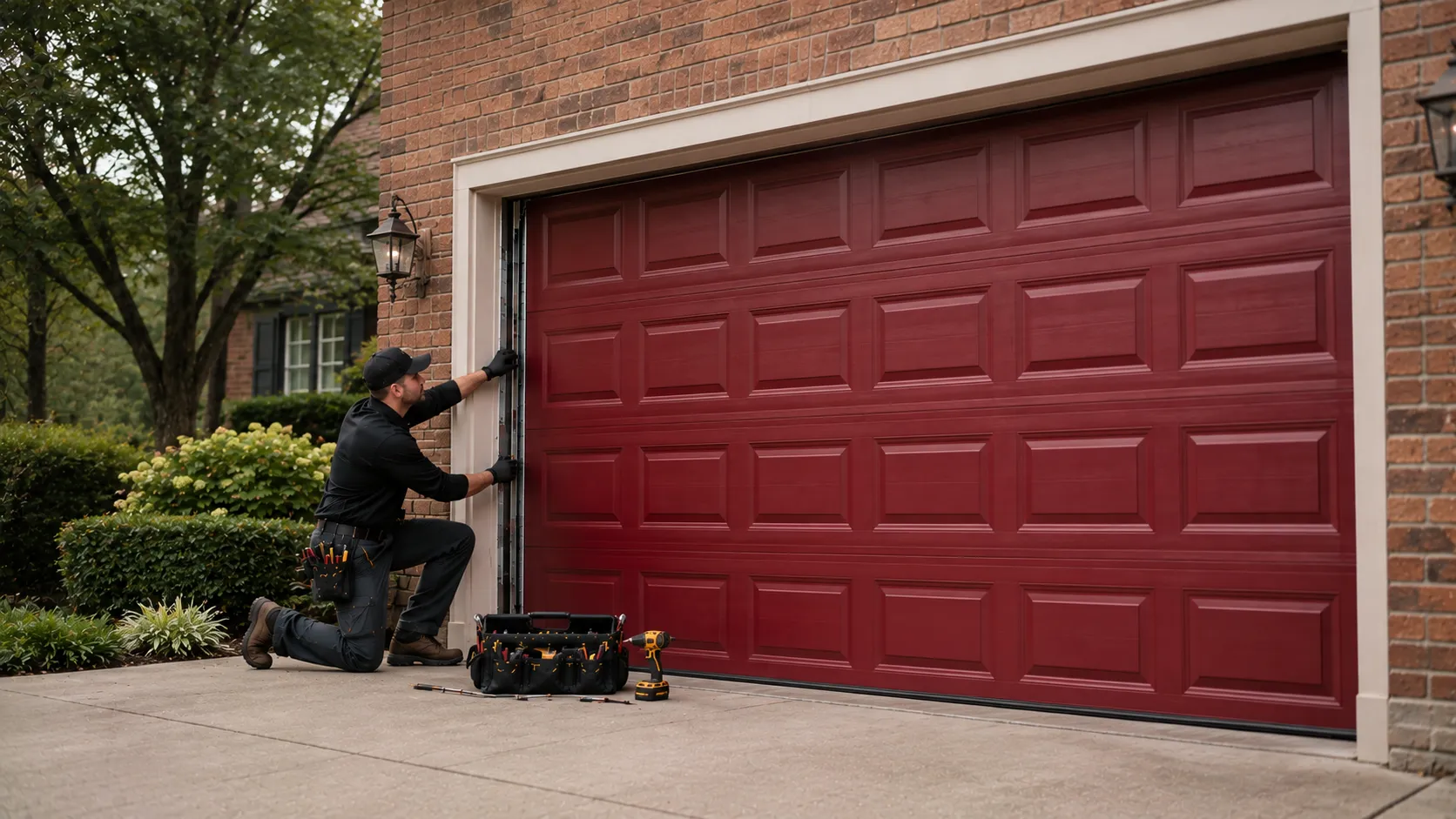
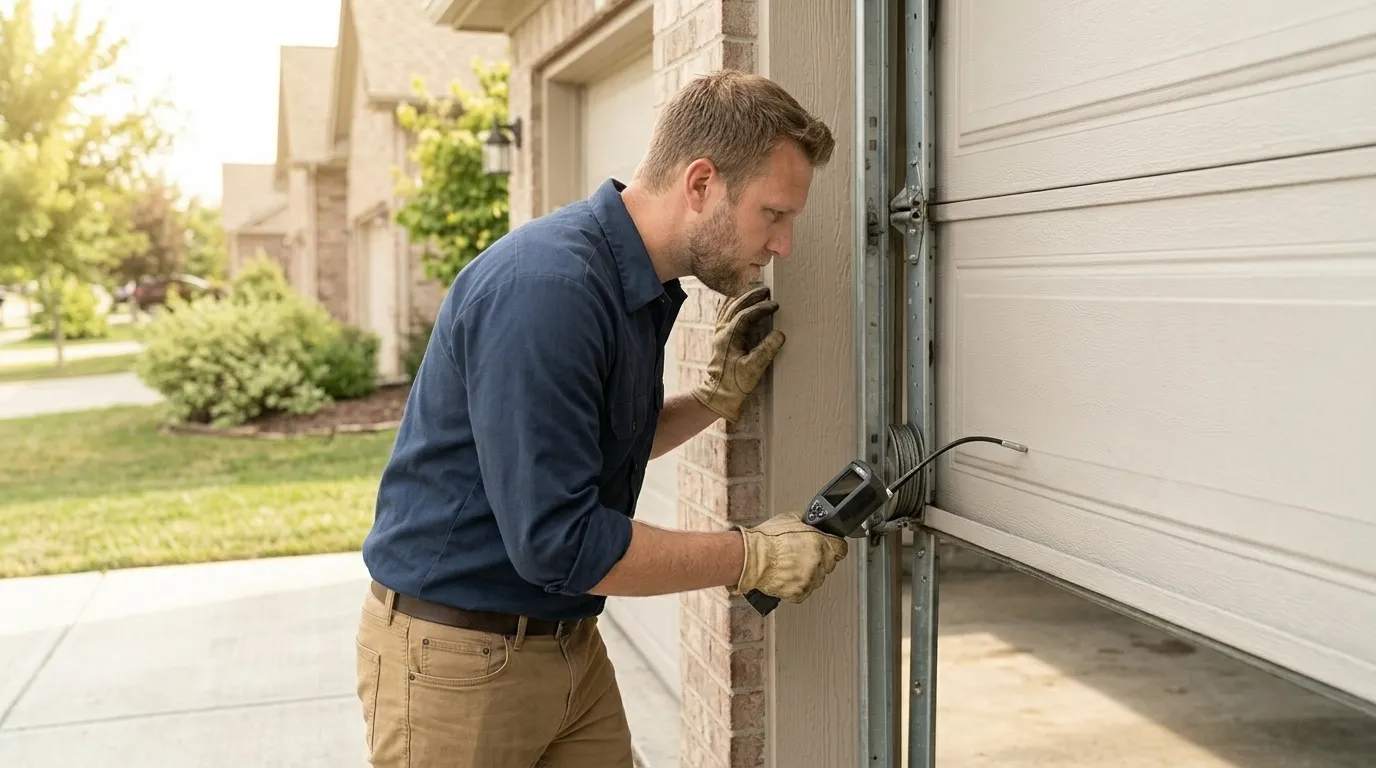
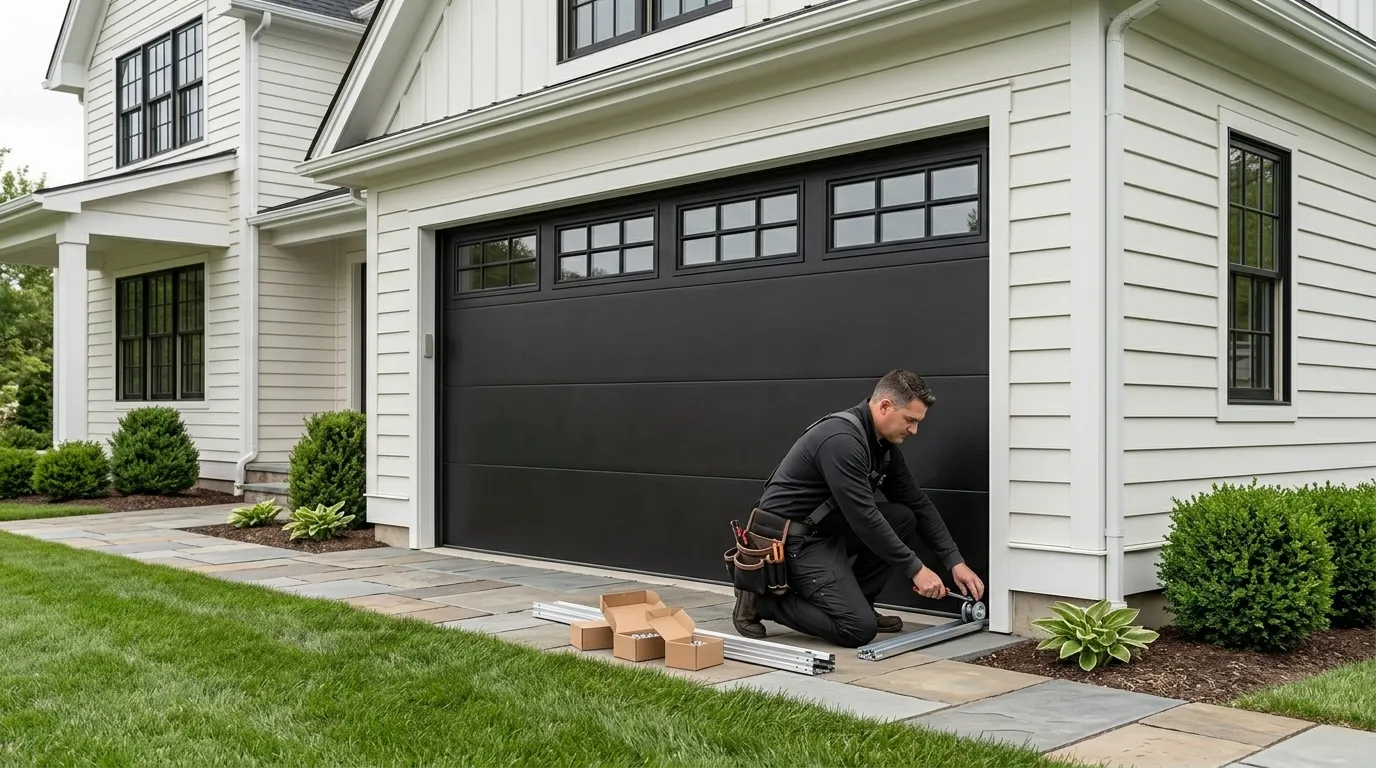
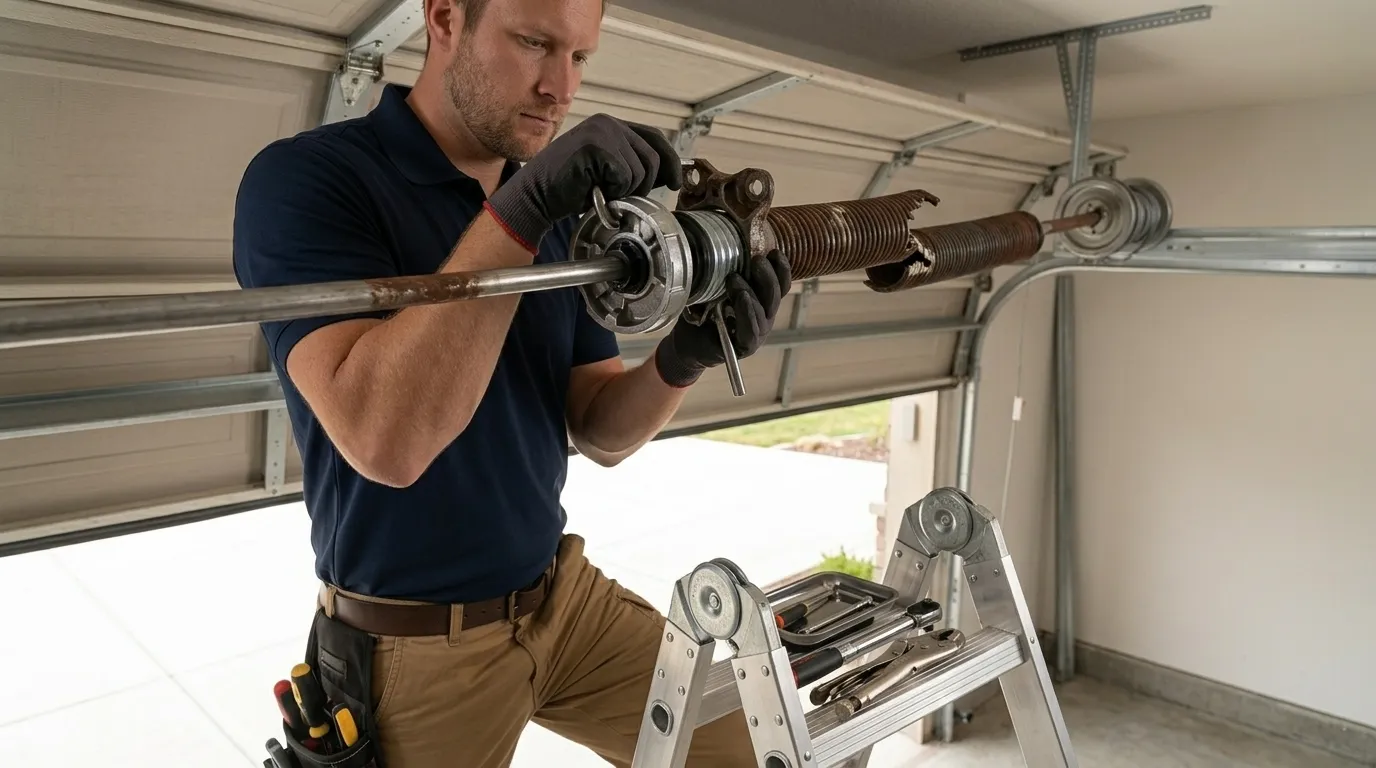
San Juan Capistrano's median home was built around 1979, a few years ahead of the 1982 median across the rest of our service area. That gap matters here because a door built in the late 70s is more likely to still be running on its original extension-spring setup with steel tracks bolted straight to the jamb, not the torsion-and-bracket hardware that shows up in houses from the 90s on. When one of these older doors jumps its track, the fix usually involves a roller that's worn a groove into the track lip, or a track bracket that's loosened over four decades of use. Trying to force the door back onto the track by hand, or by loosening the track and hammering it back into line, is how people end up with a bent track, a door that won't seat square in the opening, or a spring under tension that lets go while they're working near it. We're not going to pretend this is a job you can't attempt, but with hardware this old, the fasteners are usually rusted or stripped, and what looks like a quick nudge back into place often turns into a full track replacement once you're in there. If the door is still moving and just sitting crooked, leave the opener disconnected and call it in before you try to run it.
How Long You Are Without the Door
We run this job from our Dana Point yard, and San Juan Capistrano is about 3 miles out, the shortest drive on our route. We're not going to put a number on how fast we can get there for any given call, since that depends on where we already are that day, but the distance itself is short enough that it's rarely the bottleneck. What actually determines how long you're without a working door is whether the track bent when it came off, or whether it's just a roller and a re-seat. A straight track that's out of alignment is usually back in service the same visit. A track that's kinked or pulled away from the framing needs to come off and get replaced, and that's a longer job simply because of the work involved, not because of anything about where you live.
What You Pay
We don't have a set price to quote here without seeing the door. Cost on an off-track repair depends mostly on whether the track needs replacing or just re-aligning, and whether the rollers and brackets that came with a 1979-era door are original steel rollers that need swapping for something that'll hold up better, or newer nylon rollers that just need reseating. What we can tell you is that a straight re-alignment with a roller swap costs a lot less than a bent track section, and a bent track on an older extension-spring door usually means replacing the matching bracket hardware too, since parts from that era don't always match what's sold today.
What Can Go Wrong
Leave an off-track door running long enough and the wear moves from the track to whatever's still working correctly. A roller grinding in a bent track eventually chews through the track lip itself, turning a $30 part into a full track replacement. On the extension-spring doors typical of this area's older housing, a track that's pulled loose from its wall bracket can let the door drop unevenly on one side, which puts uneven load on the spring and cable on that side and can snap a cable under tension. We've also seen owners keep running the opener on a door that's binding in the track, which burns out the opener's drive gear faster than normal wear would. None of this is dramatic weather-related failure, our climate band here is mild and doesn't put ice or heavy freeze-thaw stress on these doors, so nearly every off-track case we see traces back to wear, an impact, or hardware that's simply outlasted its service life.