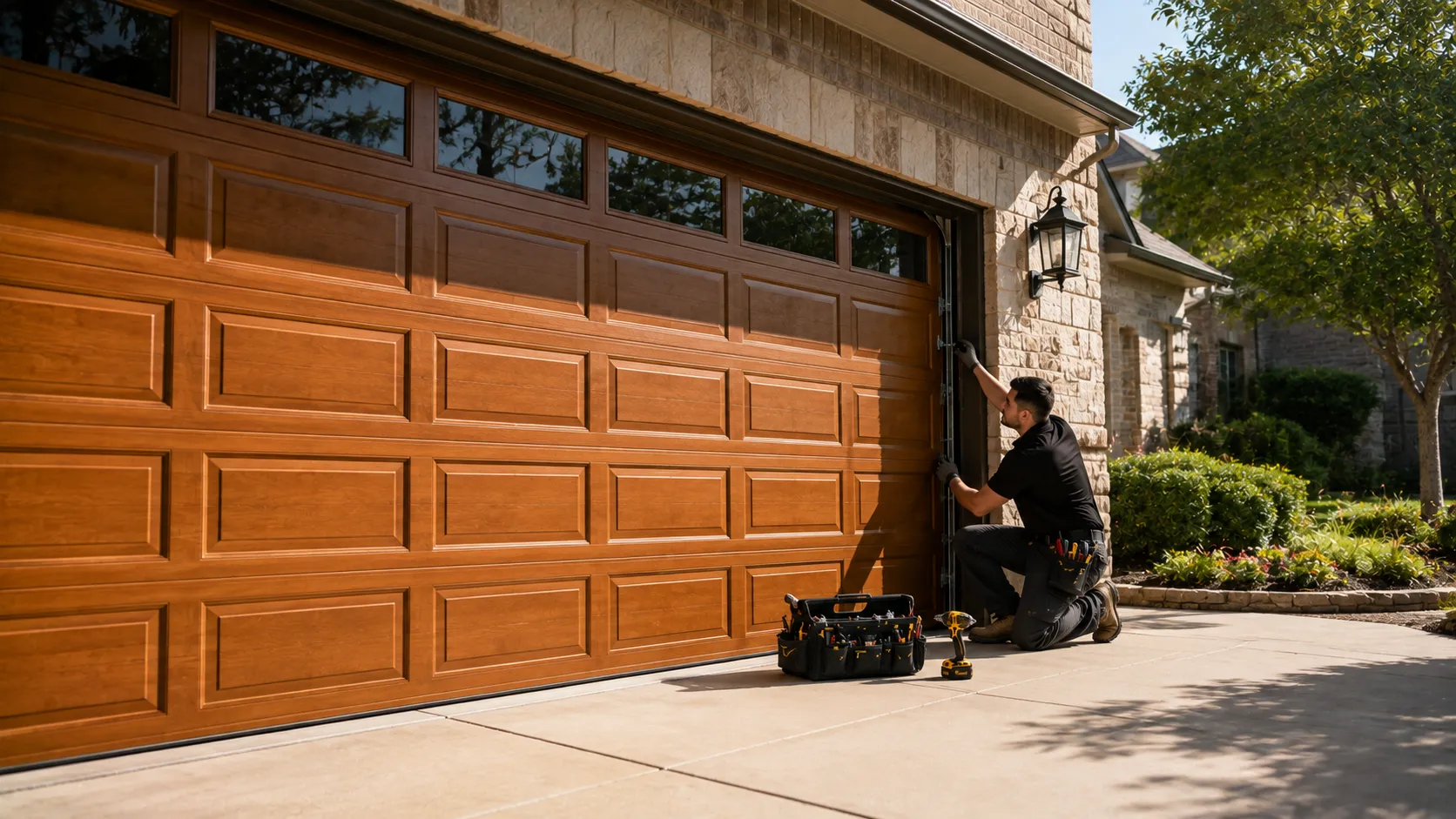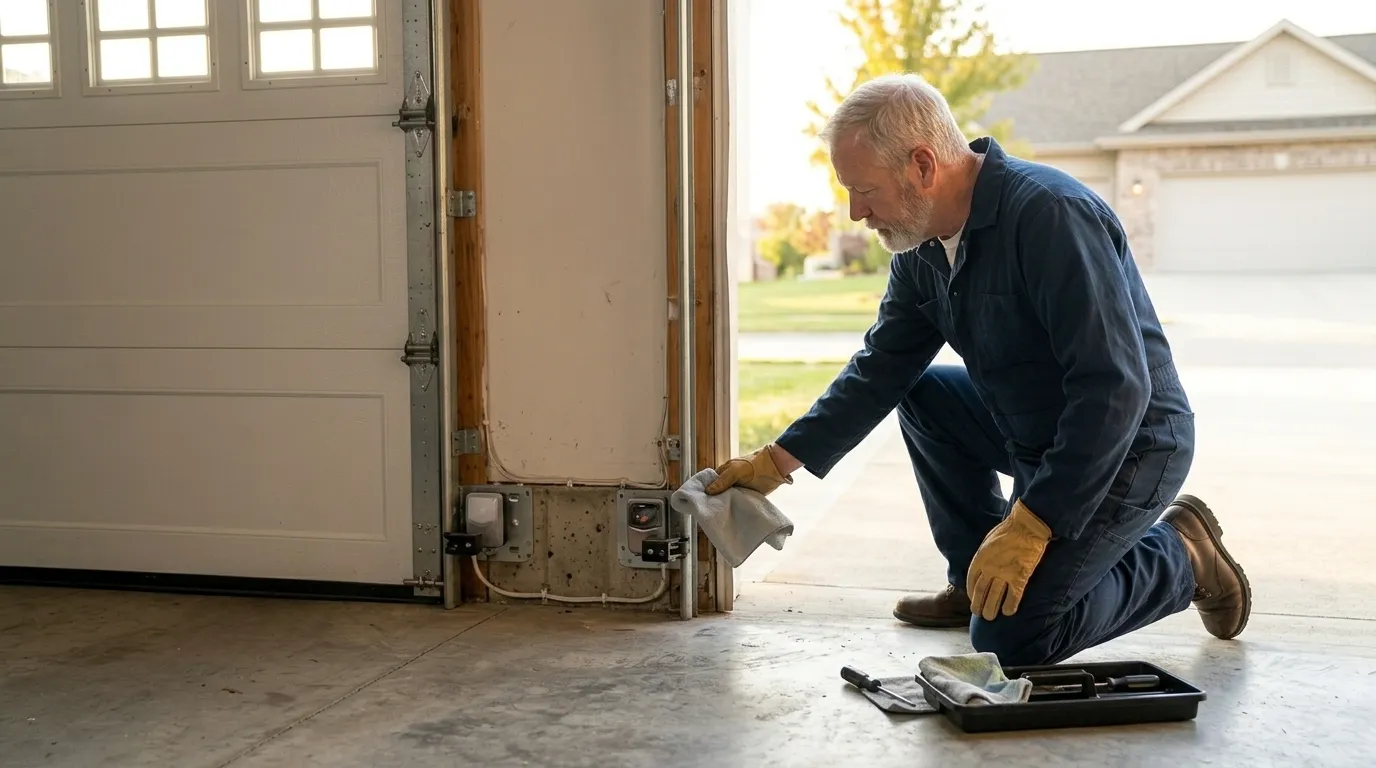
Stocked Parts
Most of the doors we service across this area went up in the 1980s and 90s, and the truck is set up for that era first. Laguna Beach breaks that pattern. The median home here dates to around 1964, which means the springs holding those doors up are often sized for hardware nobody else nearby is running anymore - older torsion drums, different wire gauges, sometimes an extension spring setup instead of torsion at all.
We carry a wider spread of spring sizes on the truck specifically because Laguna Beach calls skew older than the rest of the service area. That said, we won't pretend every size is guaranteed to be sitting in the van the day you call. A less common original size can mean a short wait while we source the exact match rather than swap in something close enough and call it done. We'd rather tell you that up front than install a spring that's wrong for the door's weight and have it fail again in six months.
When we do carry the size, the job goes the same day. When we don't, we'll tell you exactly what we're waiting on and why - not just that it's "on order."
Why This Fails Locally
A garage door spring doesn't fail because of a single bad day. It fails because it's been wound and unwound thousands of times, and eventually the metal gives out. On a house built around 1964 - which is the median build year for Laguna Beach - that spring has had sixty-plus years of daily cycles to work through, even accounting for a few replacements along the way.
That's a meaningfully older starting point than most of the rest of the service area, where the housing stock runs 1980s and 90s. A door built in that later era is carrying newer-generation hardware even after a spring swap or two. A 1964 door is more likely to still have its original track and drum geometry, which limits what spring can go in without other work alongside it.
The mild coastal-adjacent climate here works in your favor on one count - you're not fighting freeze-thaw cycles that crack coatings and speed up corrosion the way colder inland regions do. But mild weather doesn't slow down metal fatigue from sheer use. A spring on a 1964 door is going to reach its wind-cycle limit on schedule regardless of how gentle the winters are.
What the Fix Involves
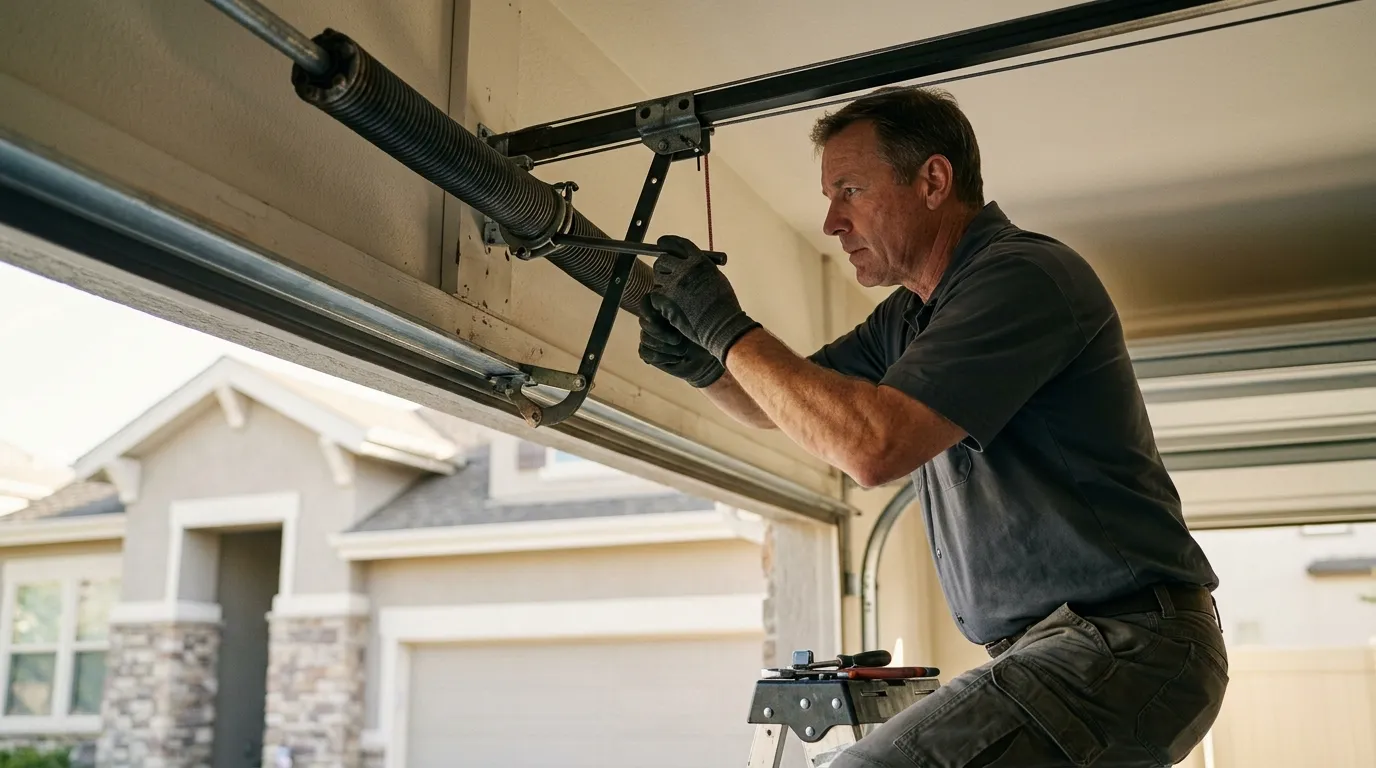
The job starts with matching the spring to the door's actual weight and the drum size already on the shaft - not just grabbing a stock size and hoping the door balances. On a house from the 1964 era, that often means confirming whether the original hardware was ever upgraded to torsion, or whether we're still working with the extension setup.
Once the correct spring is on, we check the safety cables, test the door balance by hand with the opener disconnected, and make sure it holds still at roughly the halfway point - that's the sign a spring is doing its job. We also check the drums and cable ends for wear, since a new spring paired with a worn drum will fail again fast.
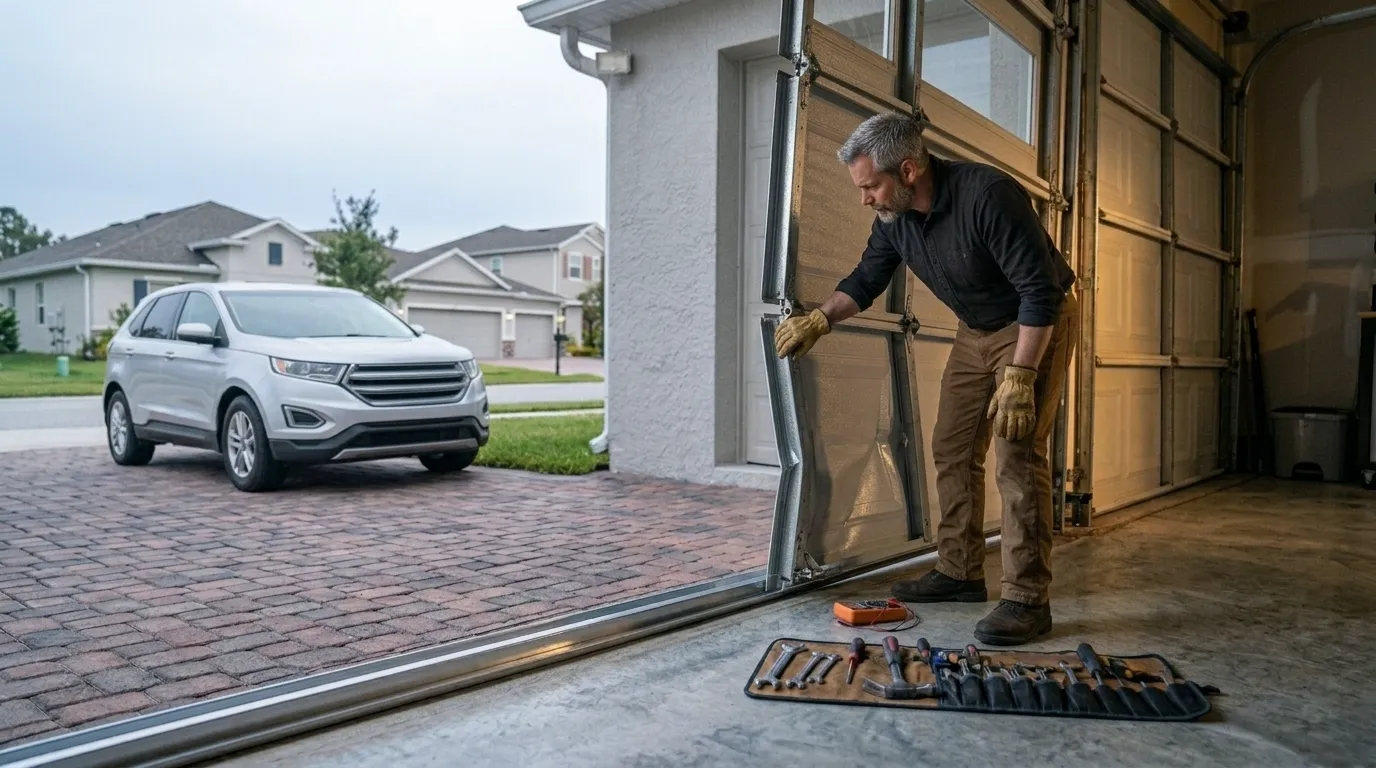
One honest limit here: if the track is bent or the panels are cracked from the door dropping unevenly before the call came in, spring replacement alone won't fix it. At that point we'll tell you plainly whether it's worth repairing the rest or whether the door's age means replacement is the better use of your money.