How Long You Are Without the Door
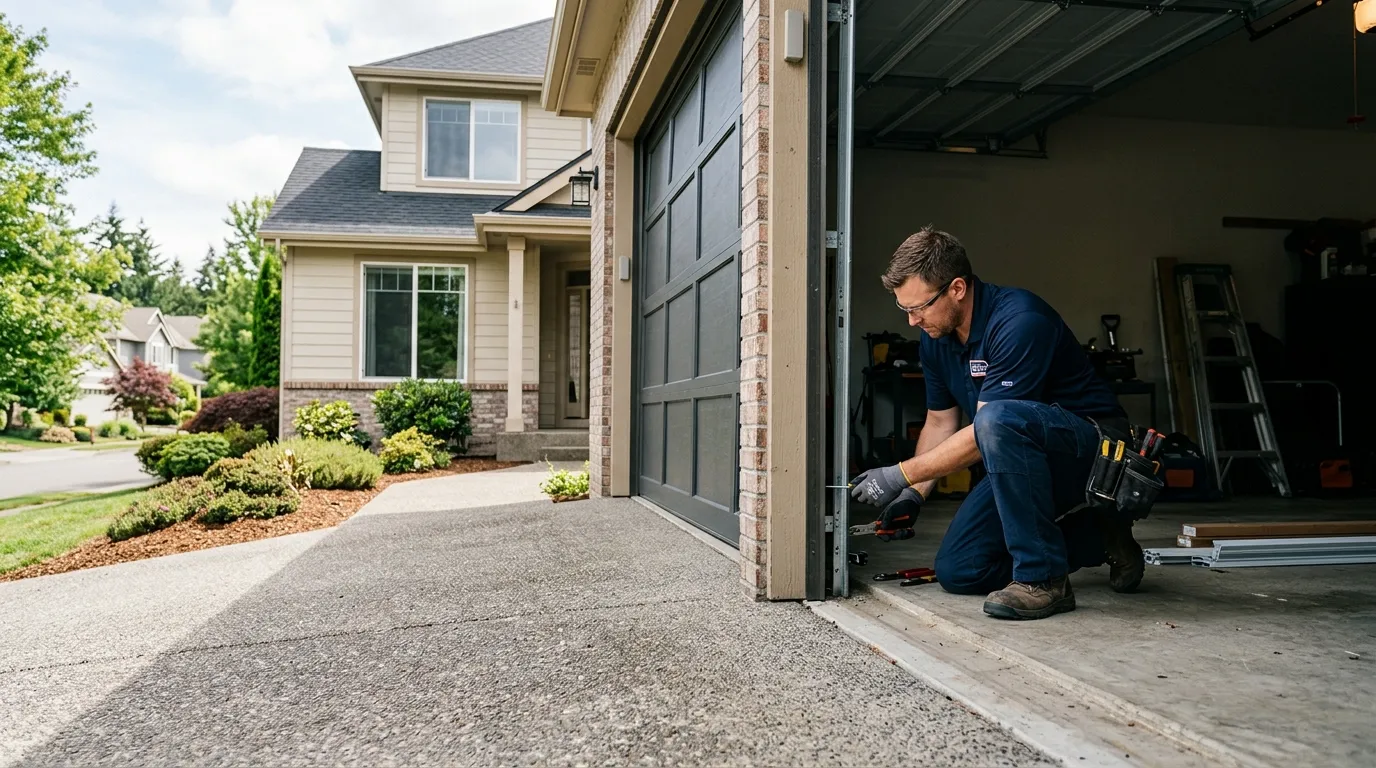
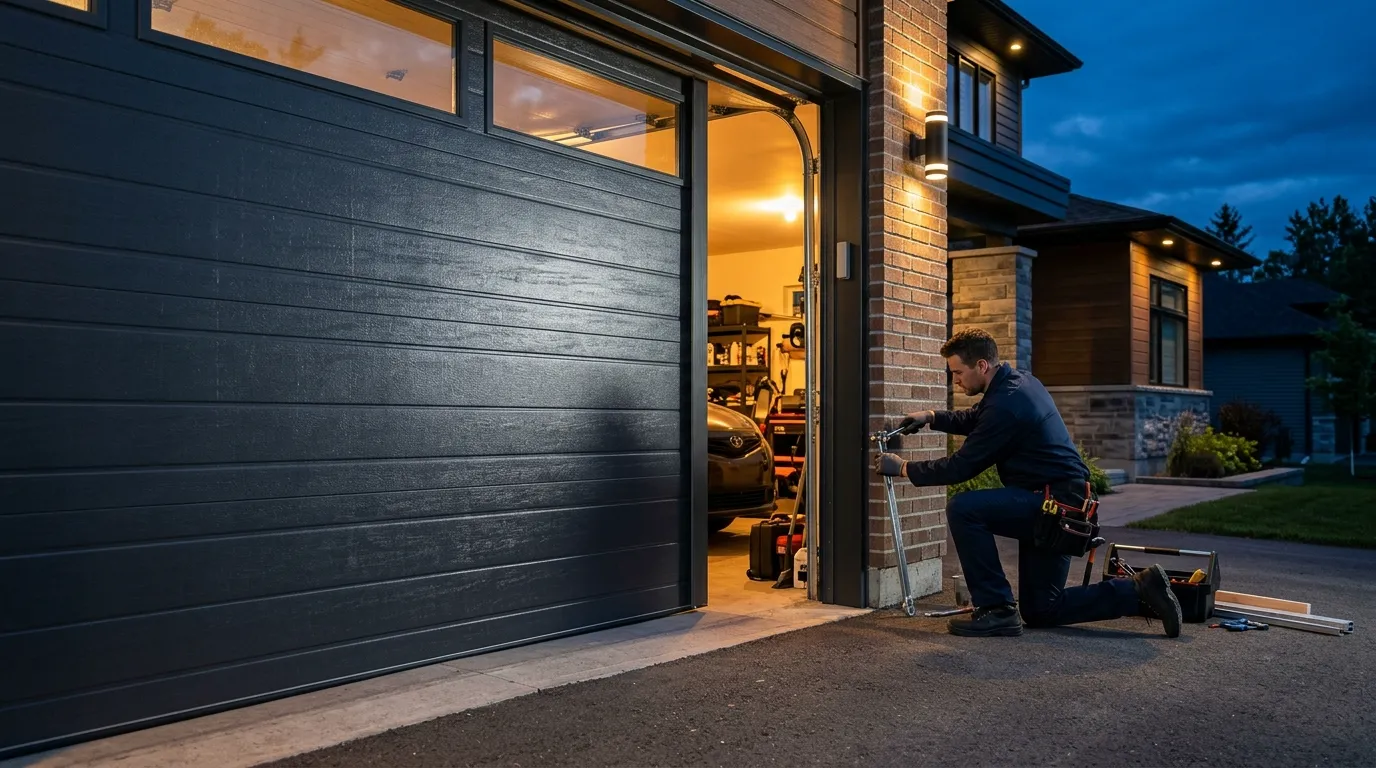
Coto de Caza isn't served from a depot inside the community - the truck comes out from Dana Point, about 10 miles away. That's not a same-neighborhood callout, so the honest answer on timing depends on where the truck already is that day and what's on the schedule ahead of you. What we can tell you is that a stuck door doesn't sit at the bottom of the priority list just because of the drive; a torsion spring that's let go on a double door is a same-visit job once we're on site, not a return trip for parts we could have brought the first time. If your opener is dead but the door itself moves fine by hand, that's a different, usually shorter visit than a spring or cable failure. We don't quote a fixed window here because we'd be guessing, and a guess dressed up as a promise isn't worth much to you.
How to Book
Call it in and describe what the door is actually doing - grinding, refusing to open past a foot, sagging on one side, opener humming with no movement. That description is what decides whether we bring spring stock sized for a heavier double door or lighter single-door hardware, and getting it right the first time matters more here than in a neighborhood with newer, standardized builder doors. Coto de Caza jobs get scheduled as a Dana Point-area visit, same as the rest of the towns we reach; there's no separate local booking line or branch number for this community. If you're not sure whether what you're looking at is a repair or a replacement conversation, say so on the call - we'd rather ask two extra questions up front than show up with the wrong spring pair on the truck.
Why This Fails Locally
The regional housing stock leans 1980s-90s, and Coto de Caza's own median build year of 1995 puts it right in that window - meaning a large share of doors and openers here are original equipment closing in on three decades of cycles. The mild temperate climate band this area sits in means we're not fighting the freeze-cracked seals or humidity-swollen panels you'd see somewhere with harder winters; the failures here are almost purely mechanical fatigue and age, not weather damage. A spring wound in 1995 has done its job for thirty years of daily openings, and metal fatigue doesn't care that the climate was gentle the whole time. That's a different failure profile than a coastal town with older 1970s stock or a newer subdivision still under factory warranty windows - it's steady wear on original parts, not storm damage or premature builder-grade failure.
What You Are Seeing
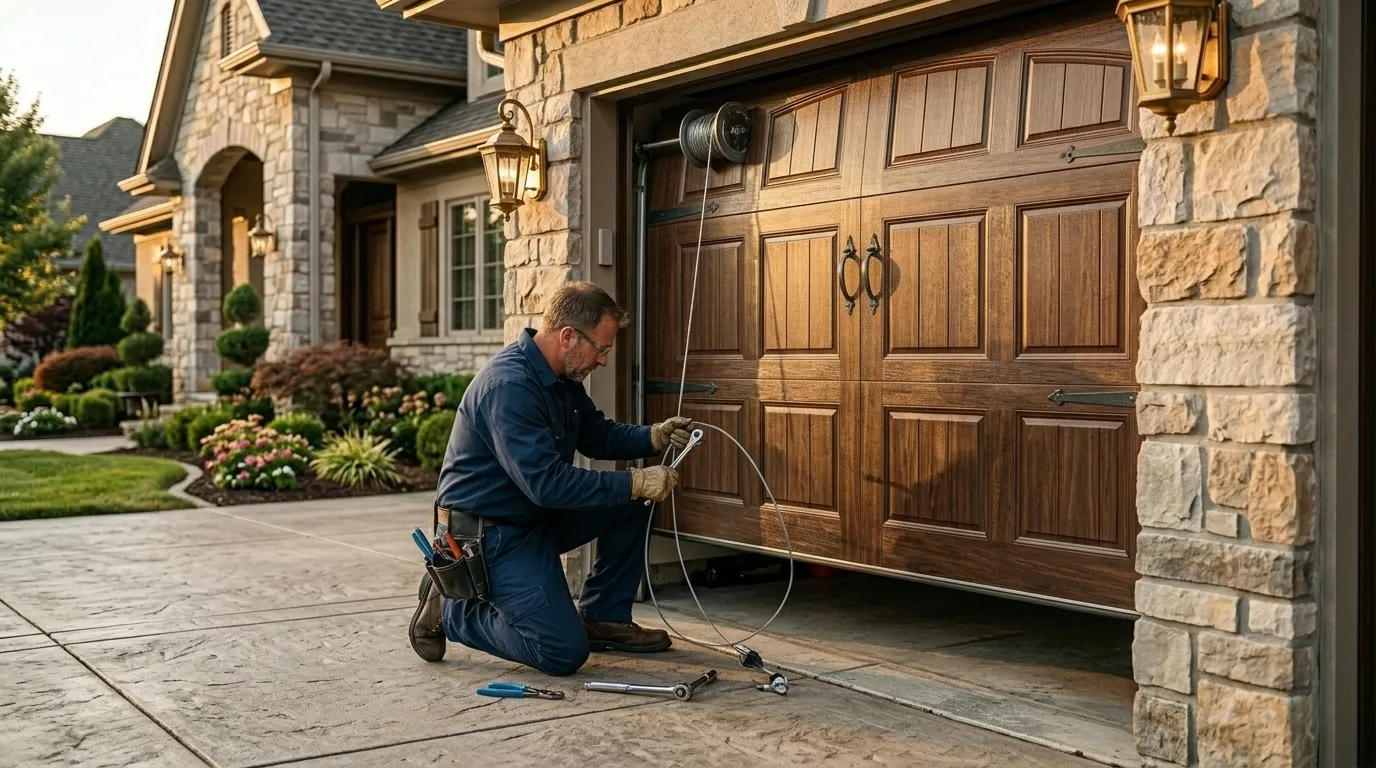
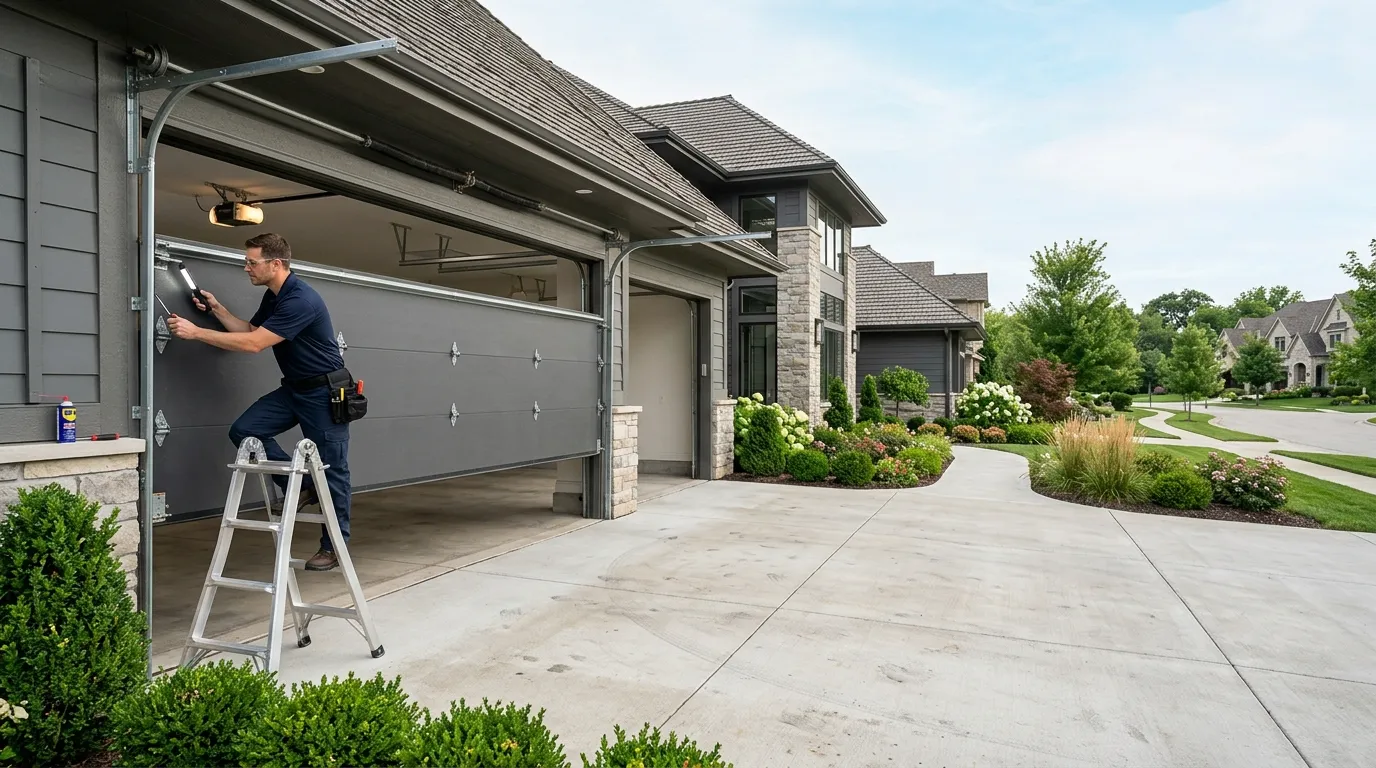
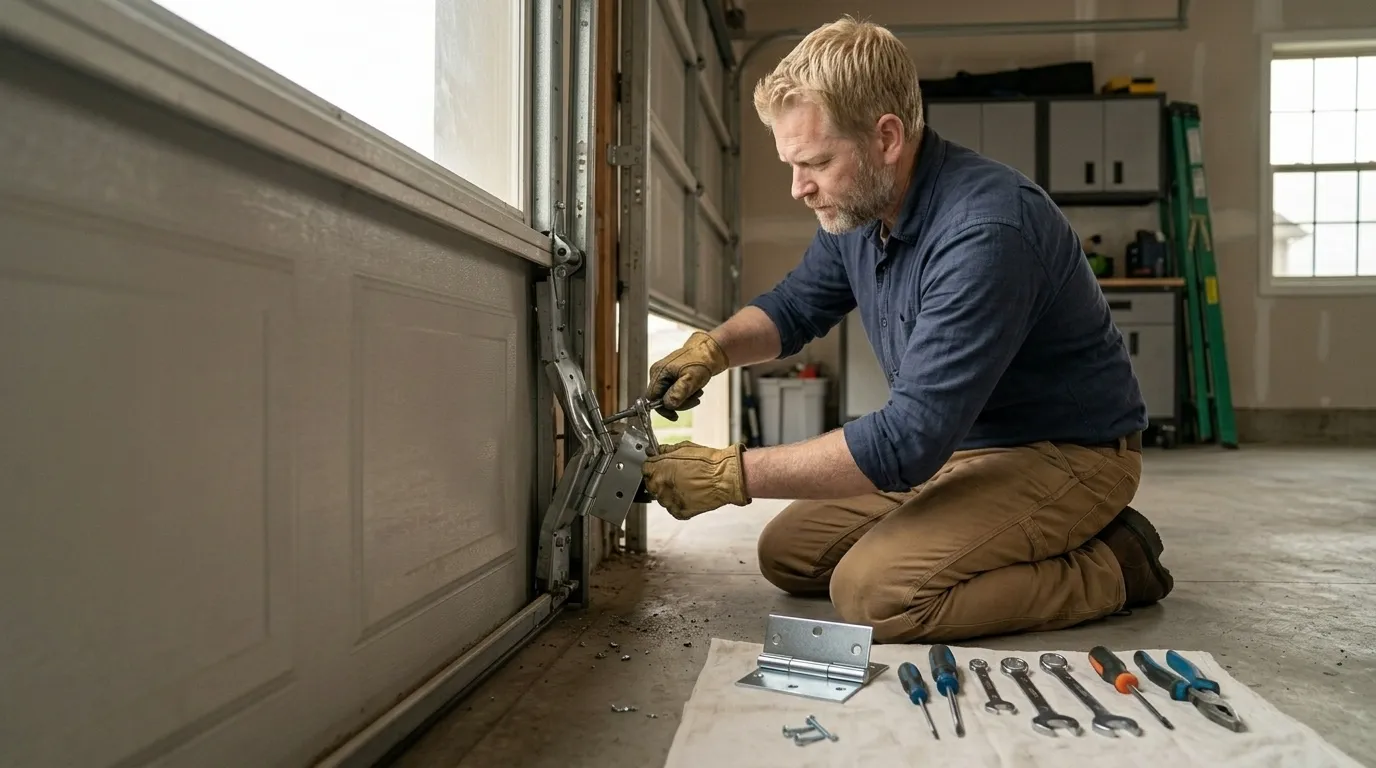
A door that jerks or bangs partway up usually means one spring has gone while the other is still holding - don't run the opener through more cycles once you notice uneven lift, it just adds stress to the working spring. A door that won't budge at all, opener humming, is often a fully snapped spring taking all the weight off the cable system. Sagging on one side when the door's down points to a broken cable or a bent track rather than the spring itself. If the opener light blinks and the door reverses right after touching the floor, that's almost always a sensor alignment issue, not a motor problem, and it's a quick fix once we're there. None of these are urgent enough to force through with muscle - pushing a jammed door under power stress tends to turn a spring job into a spring-plus-track job.