How Long You Are Without the Door
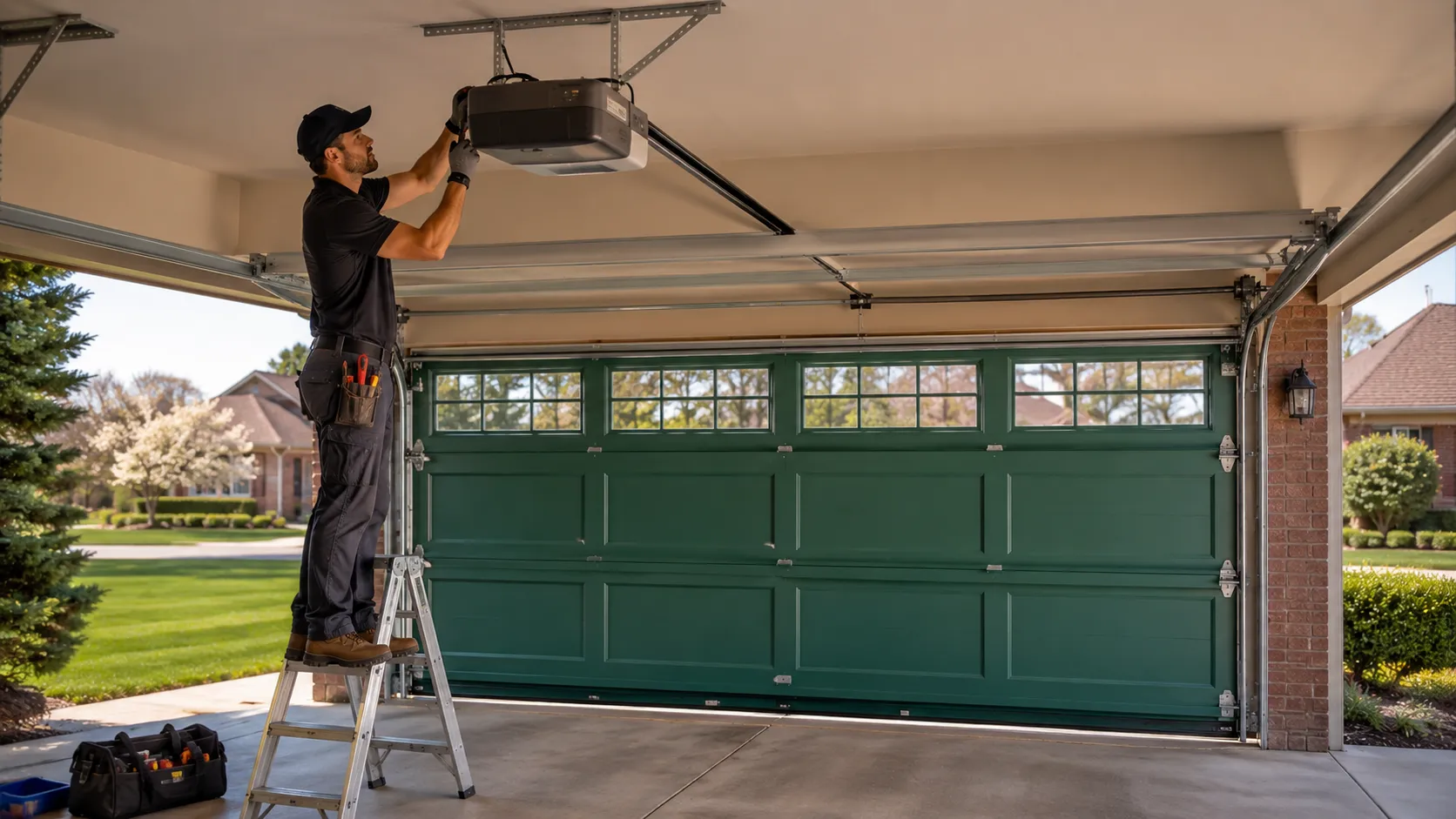
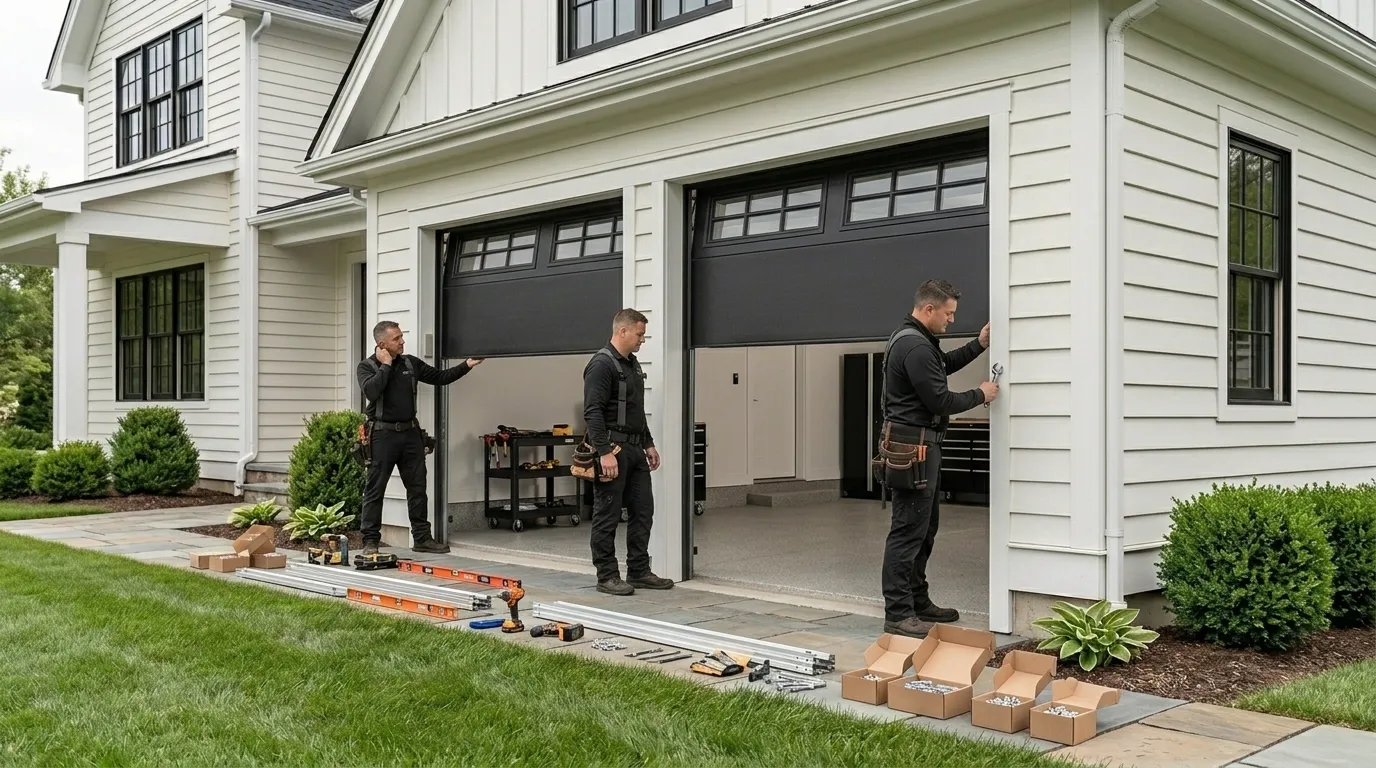
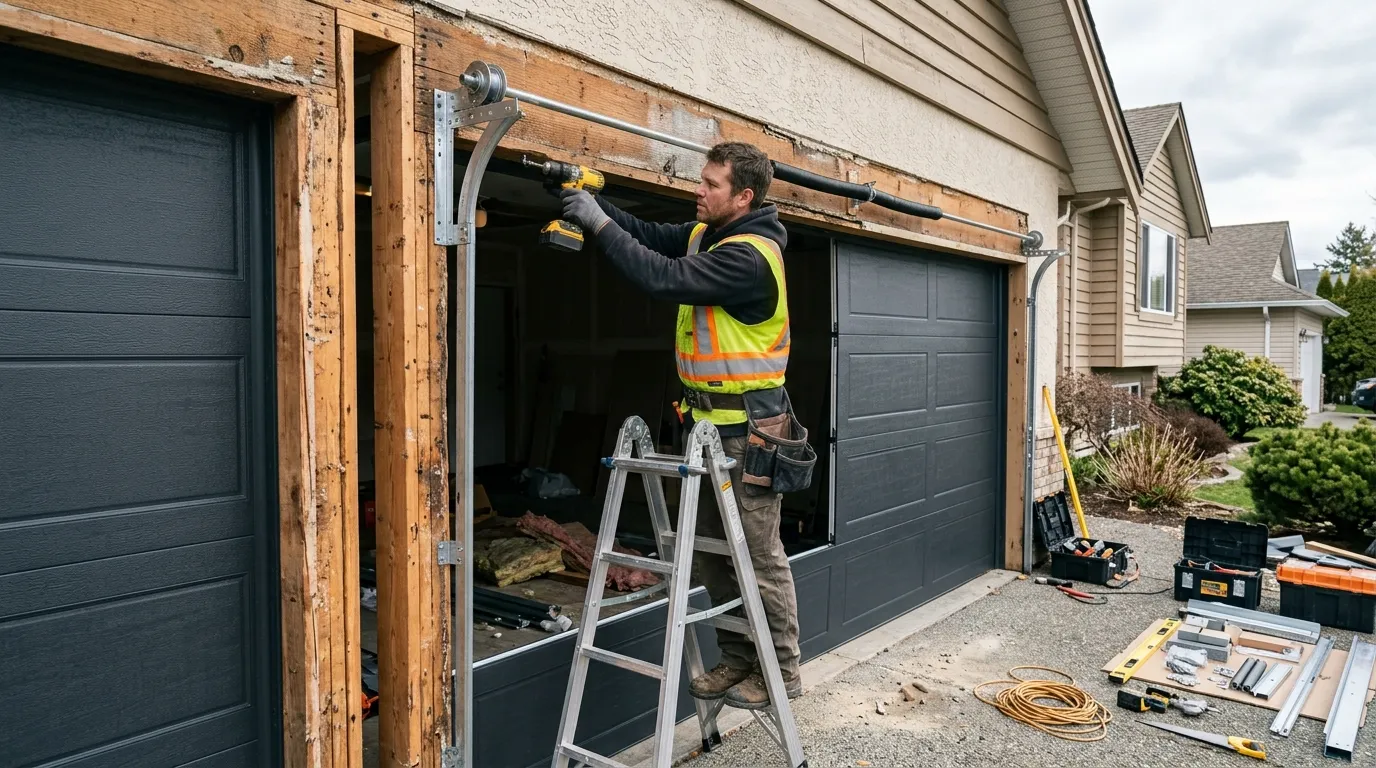
We don't run a branch in Coto de Caza, so every off-track call starts with the drive from Dana Point, about 10 miles out. That's not a promise of a fixed window, just the honest starting point for how the day goes. What actually decides how long the door sits open is what's wrong with it. A door that's slipped one roller out of the track and is still square in the opening is a same-visit fix once we're on site. A door that's come off both sides, twisted a panel, or bent the track against the jamb is a longer job, sometimes with a return trip if a part needs to be ordered. Coto de Caza's newer housing stock, median build year 1995, tends to run heavier insulated sections on wider double-car openings than the older stock closer to the coast, and heavier doors torque the track harder when they jump it. That's the practical reason a Coto de Caza off-track call can run longer than the same complaint on an older, lighter door.
How to Book
Call and describe what you're seeing: door hanging crooked, a gap between the roller and the track, or the door stuck halfway with slack cable. That description tells us what to load on the truck before we leave Dana Point, which matters more here than in the closer suburbs since a second trip for a part costs you the whole day, not an hour. If you want to see what else we cover in this pocket of the service area first, the suburb page lays out the rest. The general off-track write-up for the wider service area is on the main off-track page, but that one isn't written for Coto de Caza's housing stock specifically, so use this page for what actually applies here.
Why This Fails Locally
The rest of the Dana Point service area sits on a median build year of 1982, but Coto de Caza's housing runs newer, median 1995, and that gap changes the hardware you're dealing with. Later-90s double doors here tend to carry steel rollers on wider, heavier track built for insulated sections, and household income in the area, $232,470 against a $160,809 median across the wider service area, tracks with larger, heavier custom doors on those same openings. Heavier panels put more load on each roller and each bracket, so when one roller goes, the door has more weight pulling it sideways before it fully leaves the track. On the older, lighter one-piece doors closer to the coast, a jumped roller often stays contained to one side. On these newer, heavier double doors, a single failed roller more often drags the opposite side out too, which is why a Coto de Caza off-track call more often means both sides need attention, not just the one that visibly slipped.
What You Are Seeing
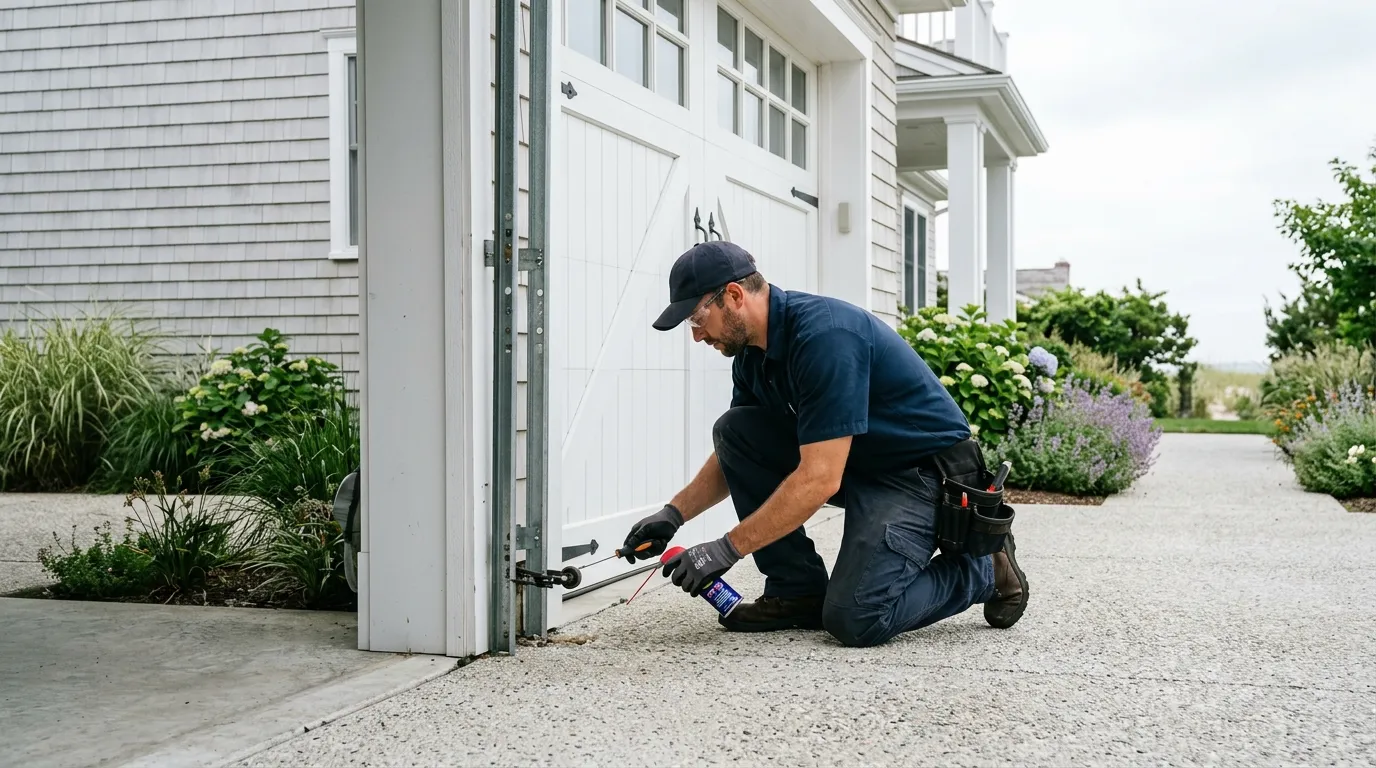
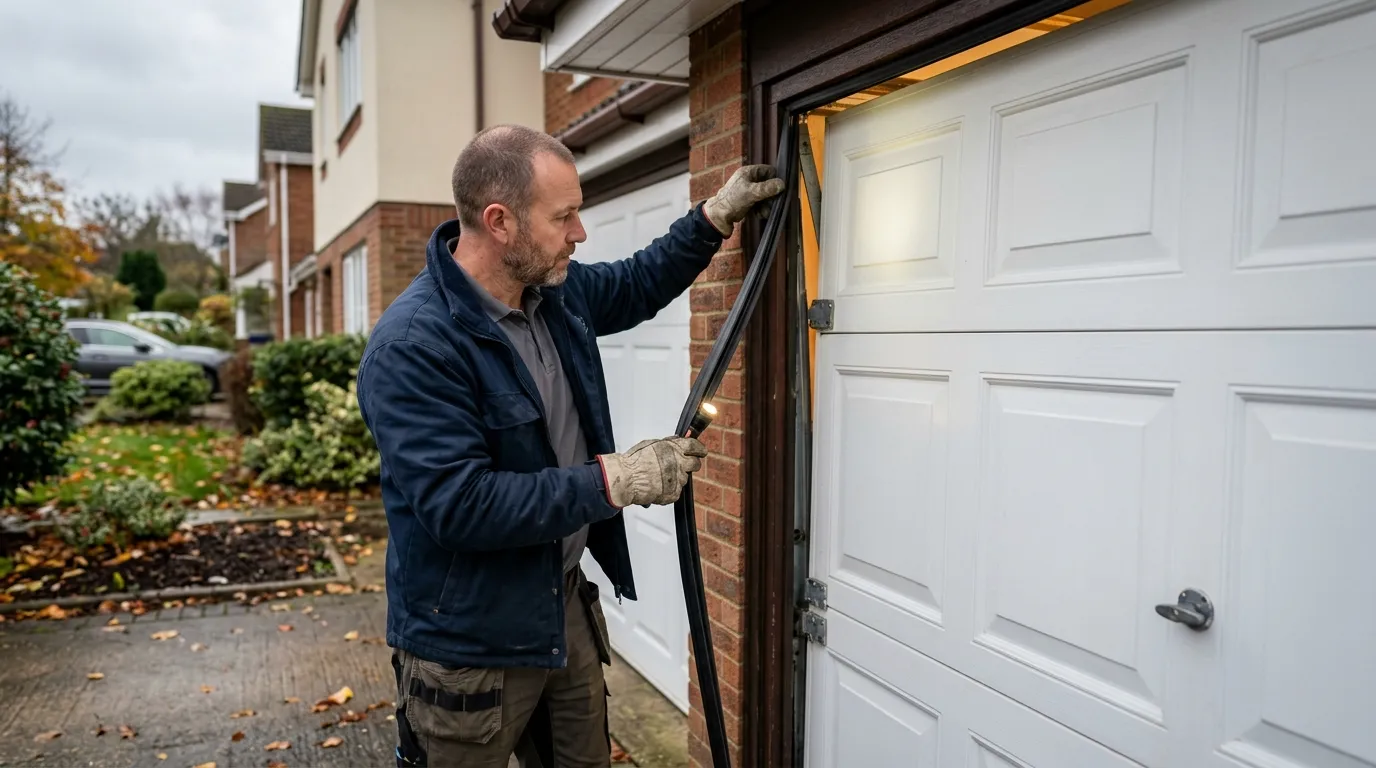
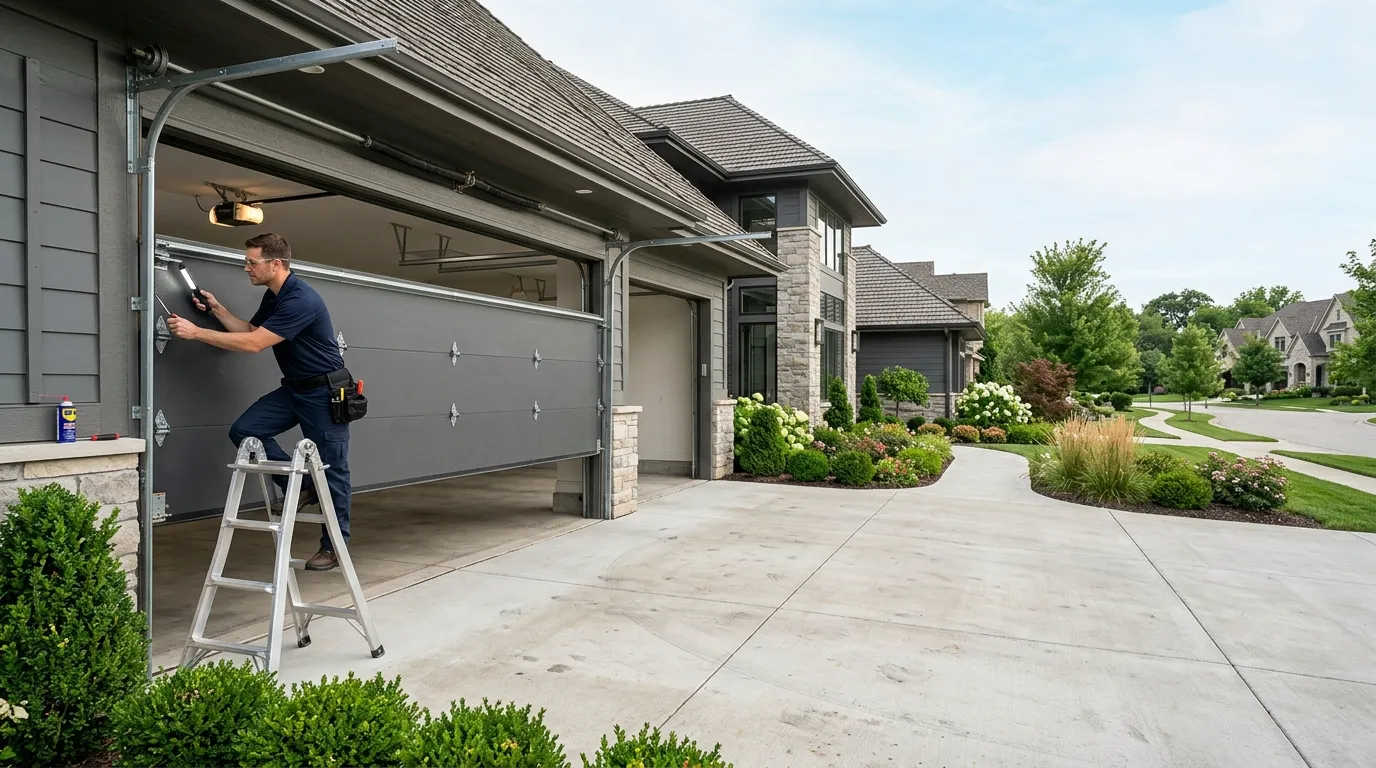
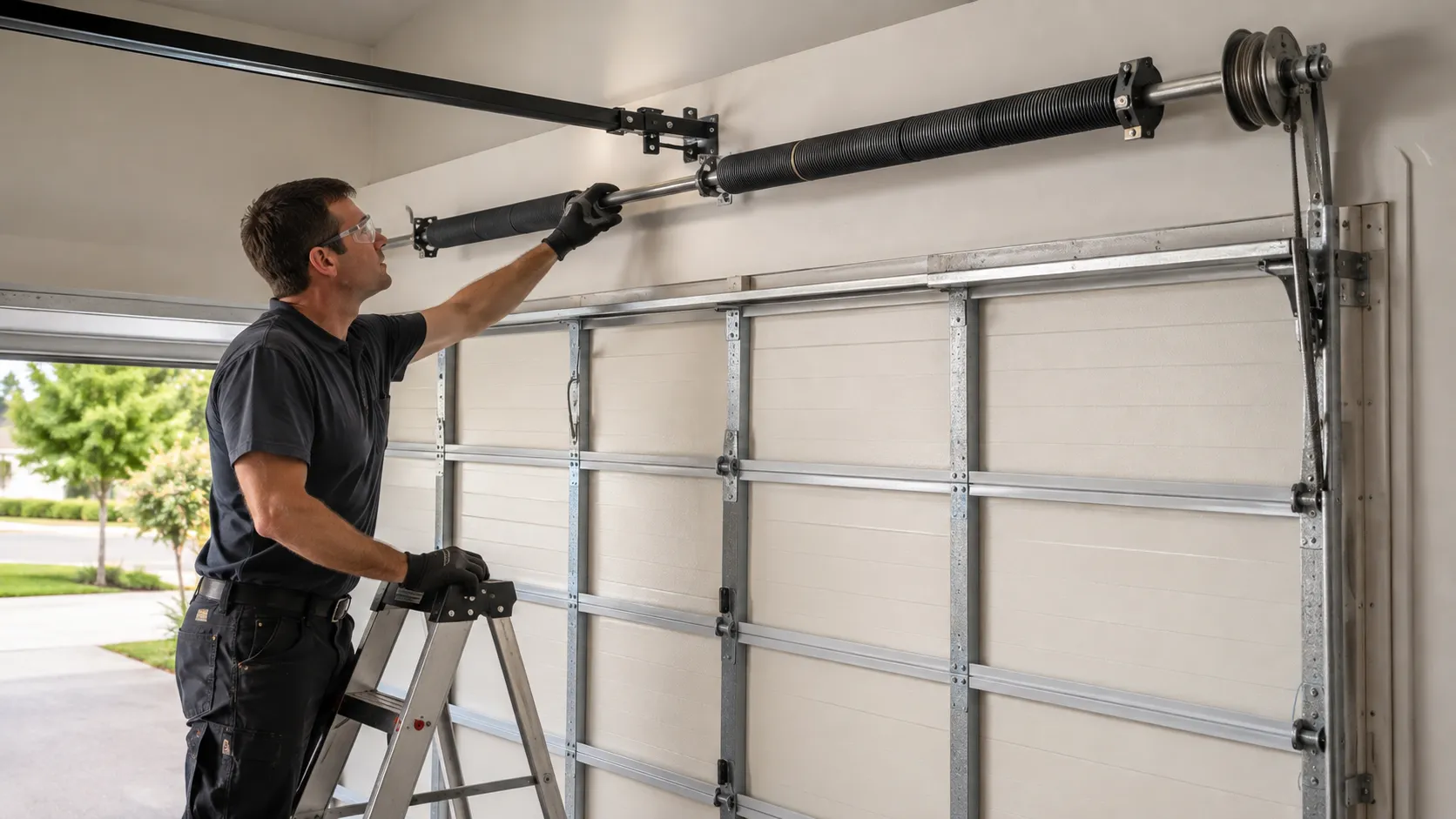
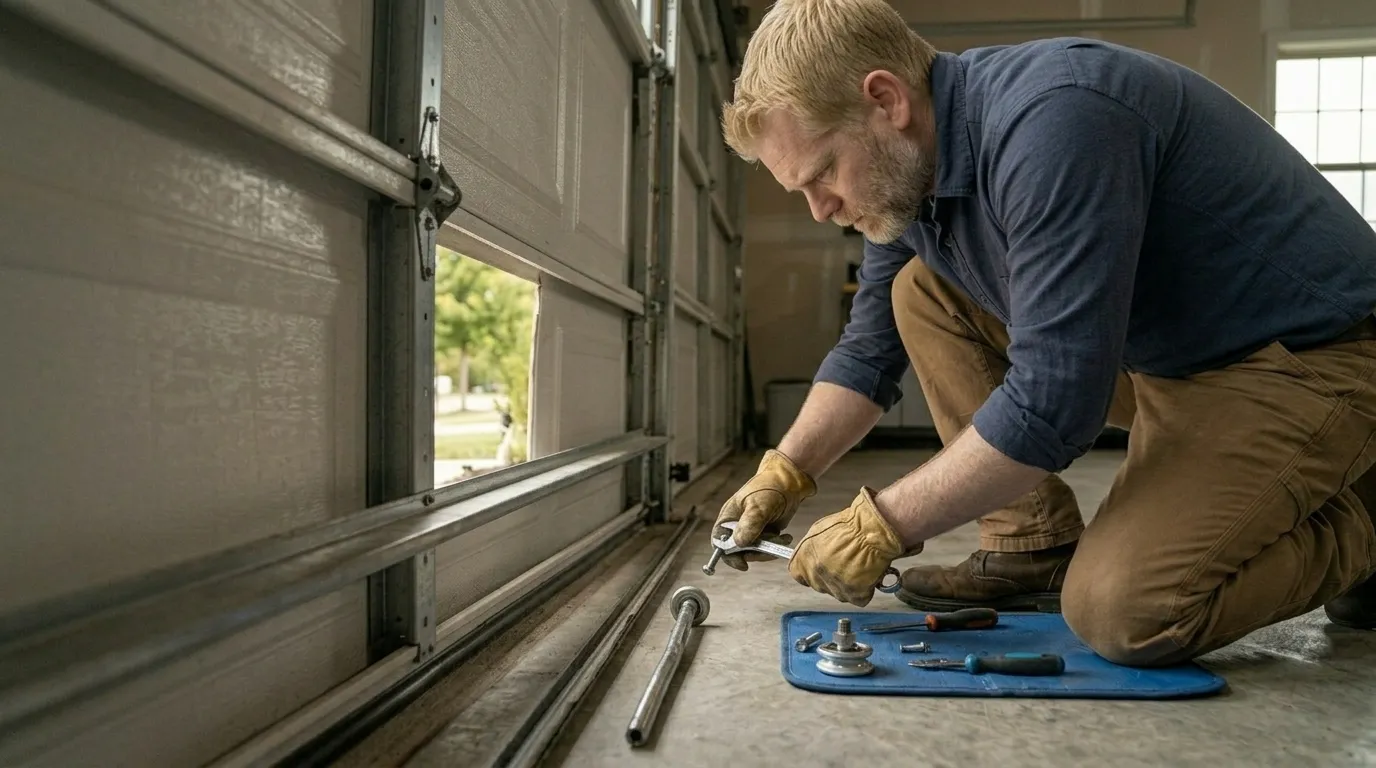
The most common version: the door sits crooked in the opening, higher on one side, with a visible gap between a roller and its track. Sometimes it's stopped moving altogether, wedged at an angle a few inches up. You might hear a grinding or scraping sound right before it happens, that's usually the roller riding the edge of the track before it finally jumps clear. Slack in one of the lift cables while the door is down is another sign, since a cable that's come off its drum often takes a roller with it. If the opener is still trying to run the door and just straining against it, stop and unplug it; running the motor against a jammed door is how a manageable roller problem turns into a bent track or a stripped gear.