How Long You Are Without the Door
Coto de Caza doesn't have a Dana Point Garage Door Co truck parked around the corner. We come out from Dana Point, roughly 10 miles down the road, which is a longer haul than a stop like San Juan Capistrano at 3 miles at 2. We're not going to pretend that distance disappears - we don't promise a same-hour response here the way a shop with a local depot might, and we're not going to claim one. What we can tell you is that a scheduled maintenance visit is planned around the drive, not squeezed in as an afterthought, so the tech shows up with the right lube, rollers, and cable stock loaded before leaving the shop rather than guessing on-site. If your opener quits on a Saturday night, plan on a call, not a knock at the door twenty minutes later. For routine upkeep - the kind this page covers - that drive time isn't a factor, since you're booking ahead rather than calling in a panic.
How to Book
The fastest way to get a maintenance visit on the calendar for a Coto de Caza address is through our page for the area, /near/coto-de-caza/, where you can see what we cover out this way. If you're weighing maintenance against a repair or a full opener swap, the broader rundown of what we do out of Dana Point lives at /garage-door-maintenance-dana-point-ca - that page covers the full menu, this one is specifically about keeping a Coto de Caza door running rather than fixing one that's already failed. When you call, have the age of the house handy if you know it. A door installed when the house was built in the mid-90s is a different animal, hardware-wise, than something retrofitted later, and it changes what parts we bring.
Why This Fails Locally
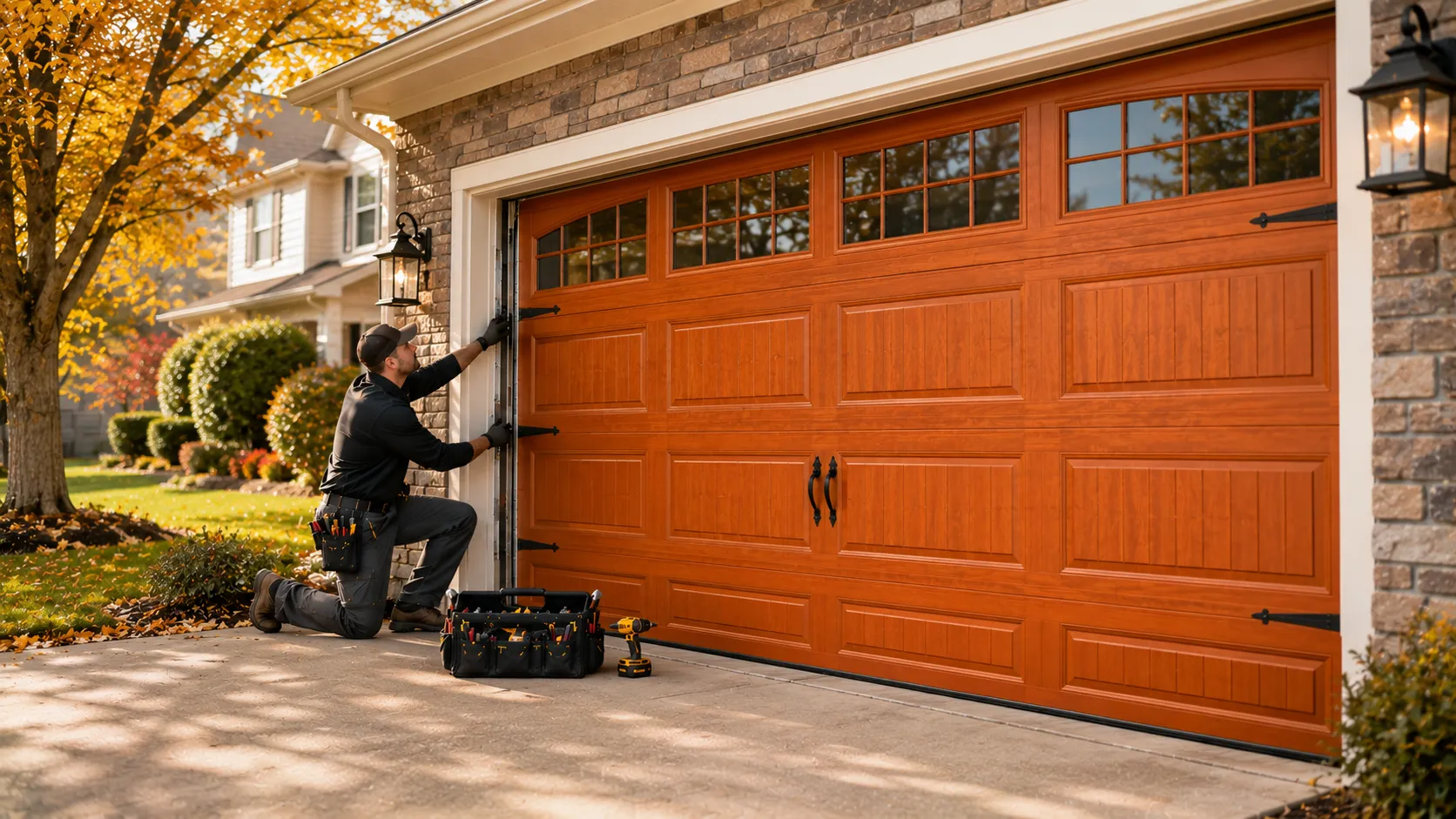
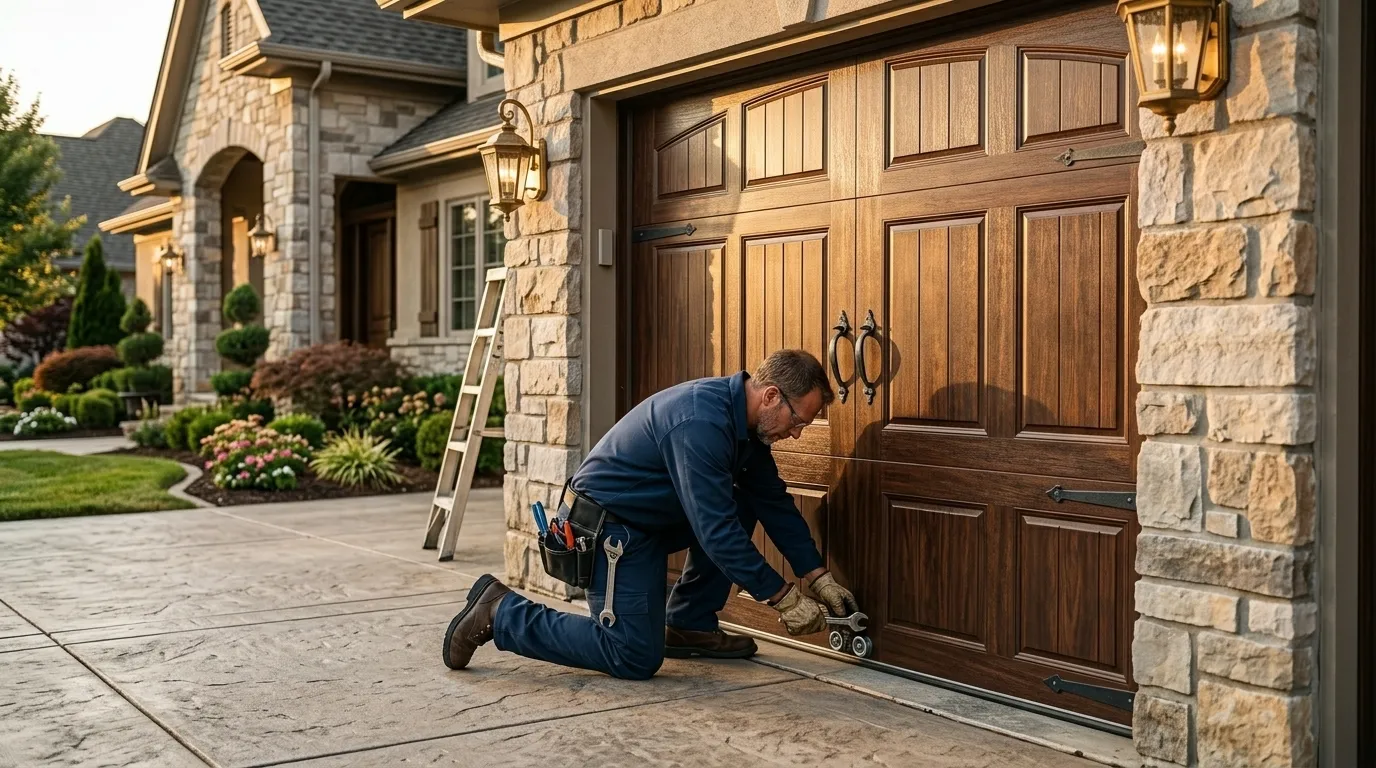
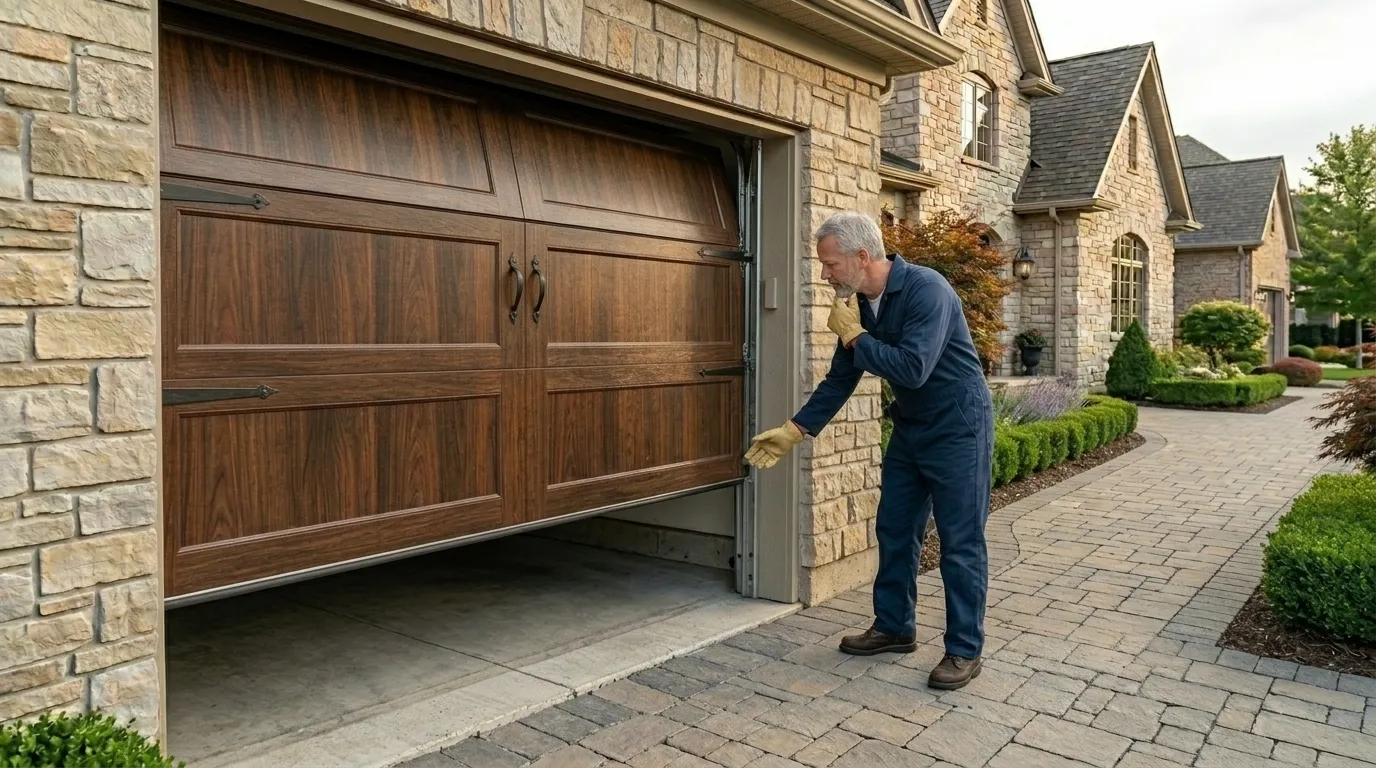
Coto de Caza sits in the same mild temperate climate band as the rest of the service area, so you're not fighting the salt-air corrosion that hits doors right on the coast at Laguna Beach. What you are fighting is heat cycling - inland canyon lots run hotter swings between day and night than the coastal stops, and that expansion and contraction works on weatherstripping, seals, and opener gear housings over time even without salt in the air. With a median household income of $232,470, well above the service area's $160,809 median, doors out here also tend to run heavier: insulated steel, sometimes custom wood-look panels, on larger openings for three-car garages. Heavier doors put more load on the same torsion springs and openers that a lighter door would treat gently, so the wear shows up sooner than the calendar alone would suggest.
What You Are Seeing
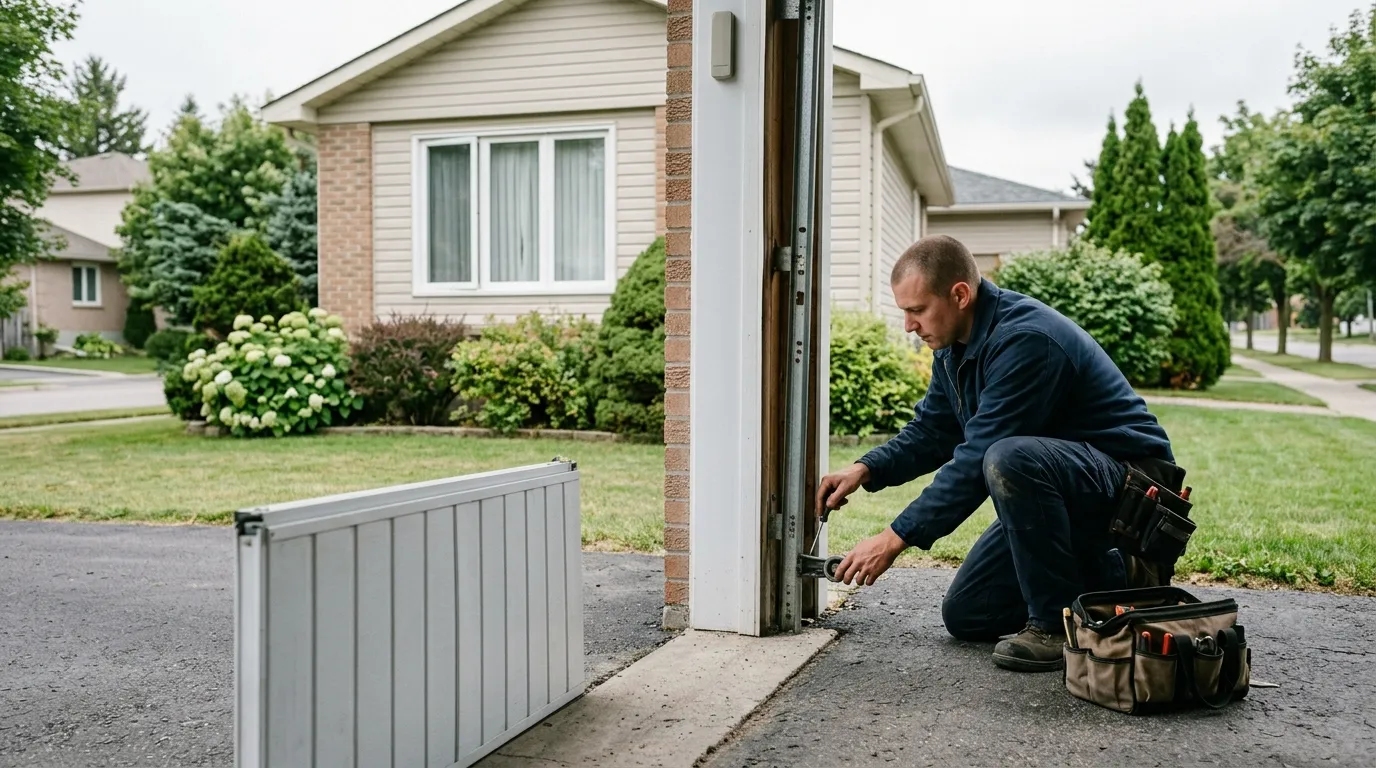
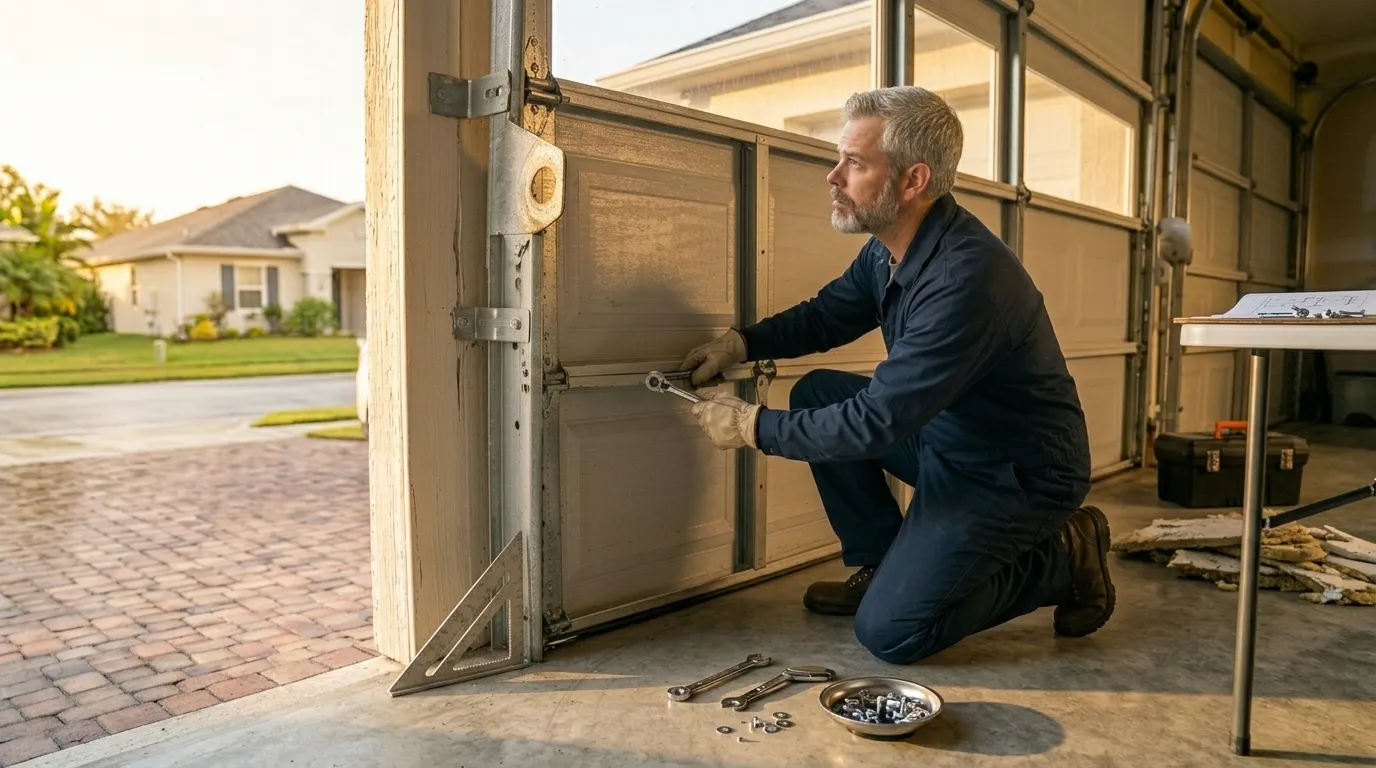
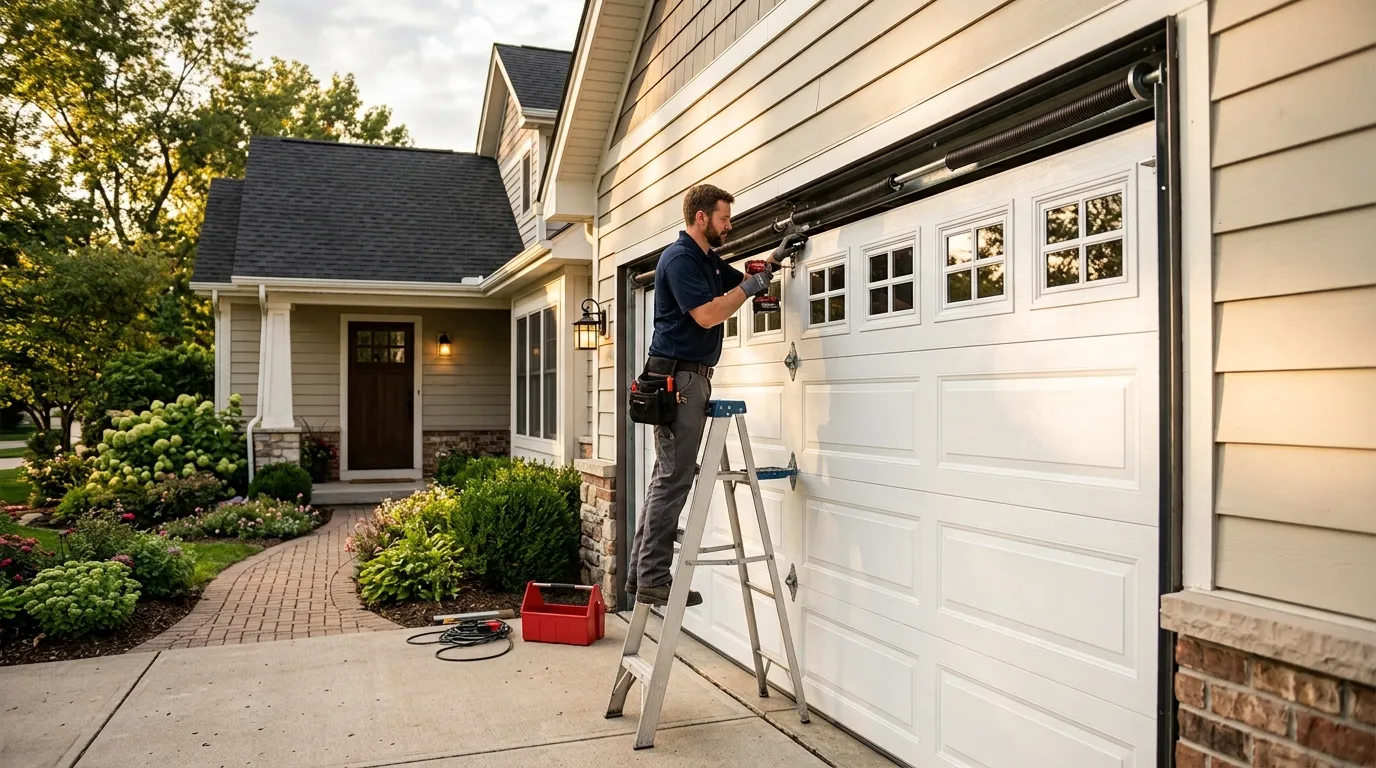
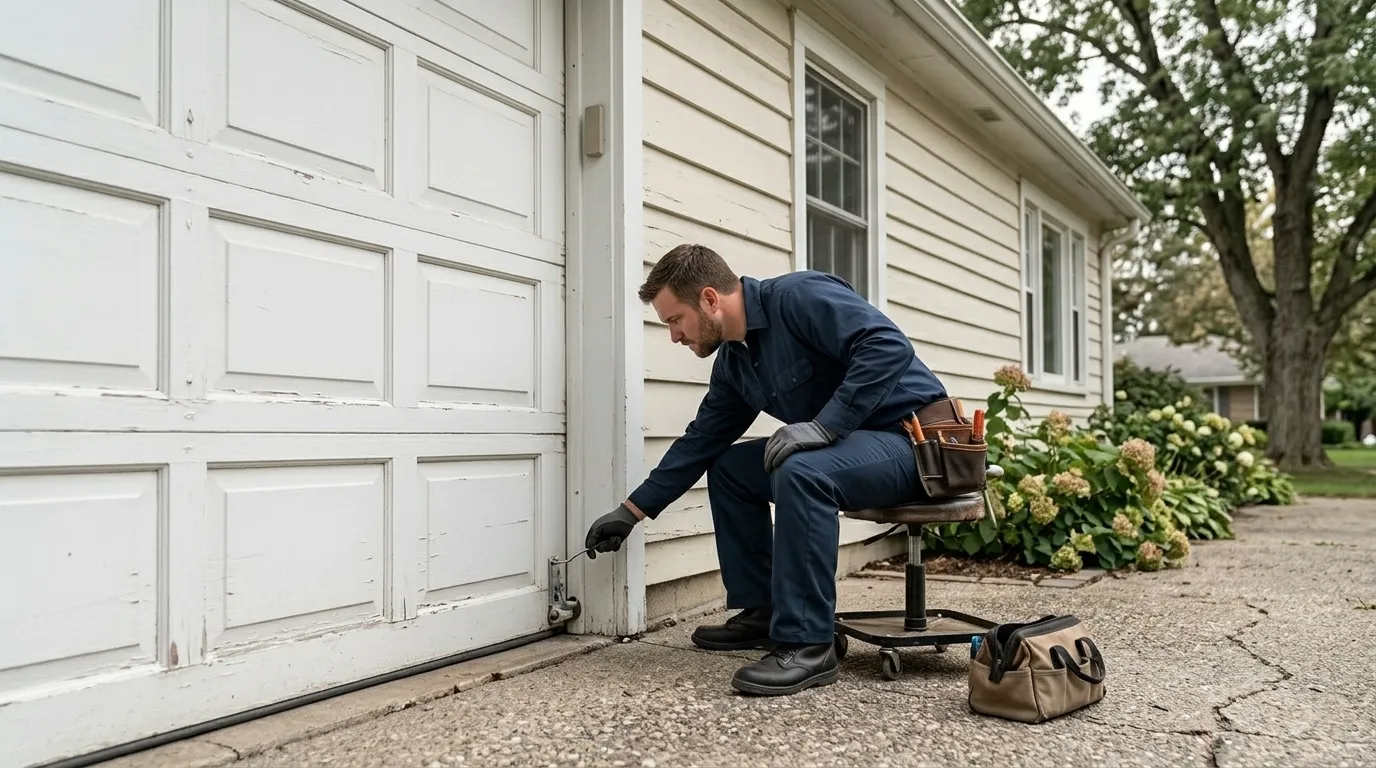
Most Coto de Caza garage doors are now approaching or past the 25-to-30-year mark on original hardware, since the neighborhood's homes cluster around a 1995 build year. That's right in the window where torsion springs installed at construction start to fail, openers built in the same era reach the end of their gear-and-sprocket life, and photo-eye sensors drift out of alignment. If your door has started reversing partway through closing, or the opener runs louder than it used to, that's consistent with original-equipment strain rather than anything unusual about your particular unit. A door that groans on the way up but closes fine is usually roller or track wear; one that reverses or won't fully seat is more likely the sensors or the spring tension - two different fixes.