How Long You Are Without the Door
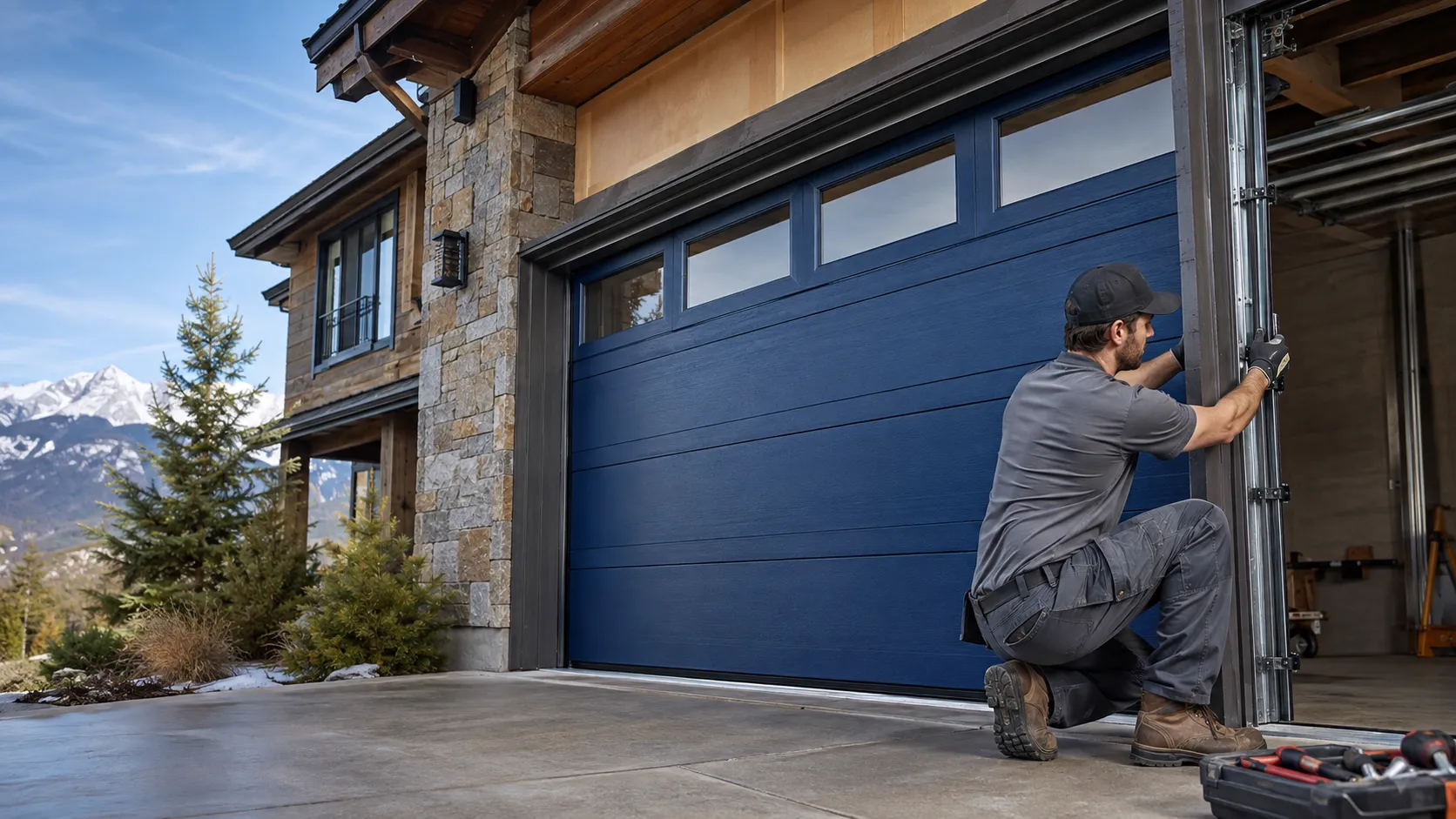
We work out of Dana Point, about 10 miles from Coto de Caza, so plan for drive time before we're at your door - we don't have a branch or depot out here, and we won't pretend otherwise. Once a tech is on site, most torsion spring jobs and opener swaps on the steel sectional doors common in this neighborhood close out in a single visit. Panel replacement runs longer if the color or insulation spec needs to be special-ordered, which happens more here than in the older parts of our service area because so many Coto de Caza doors are upgraded units rather than the original builder-grade steel that went in when these houses were framed in the mid-1990s. If a part isn't on the truck, that's the honest delay - we'd rather tell you that than promise a same-day fix we can't back up.
How to Book
Call and describe what the door is doing - grinding on the way up, refusing to close, a cable hanging loose - and we'll tell you straight whether it's a same-visit fix or something that needs a part ordered first. Because we're driving out from Dana Point, it helps to know if anyone's home to let a tech in and whether the opener has a battery backup, which a good number of houses built in this era do. We don't quote a fixed response window for Coto de Caza on this page since travel time varies with the day; ask when you call and we'll give you a real estimate, not a marketing number.
Why This Fails Locally
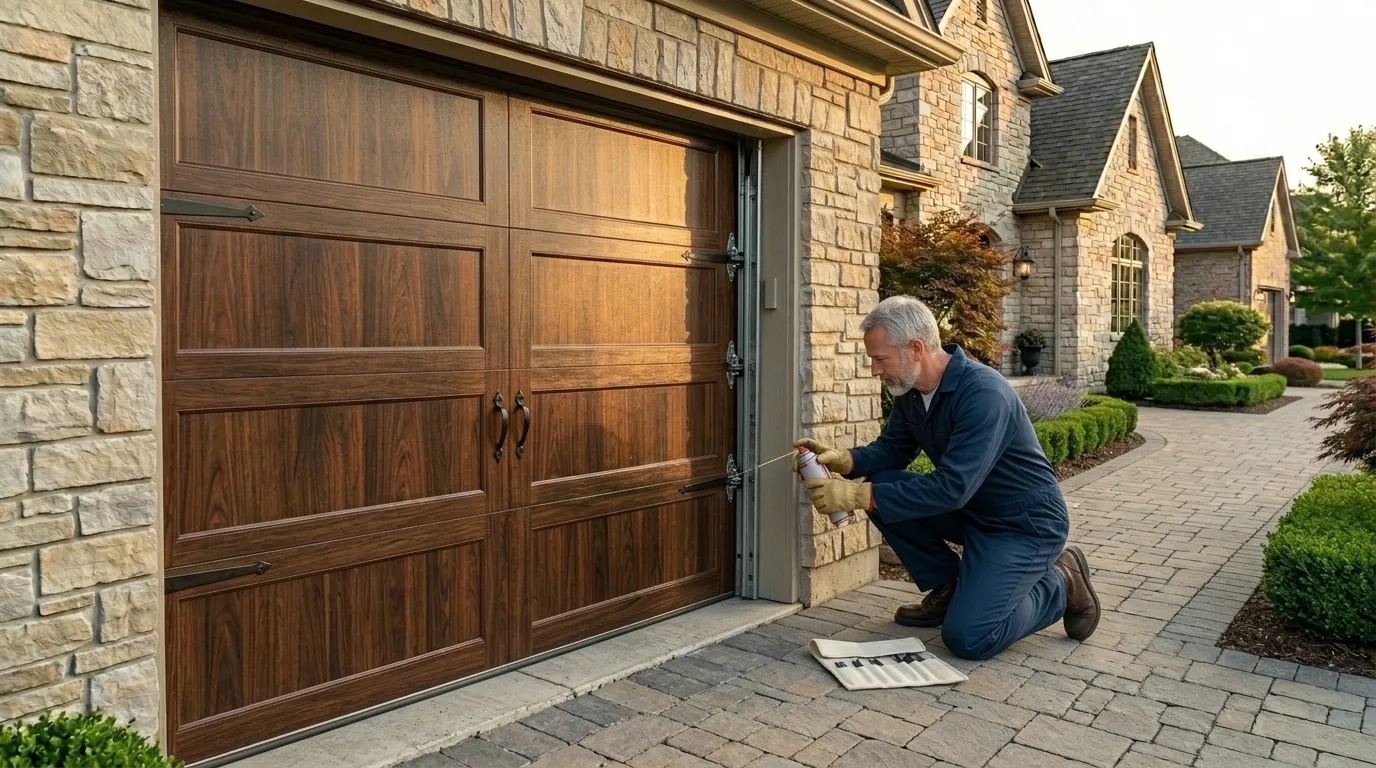
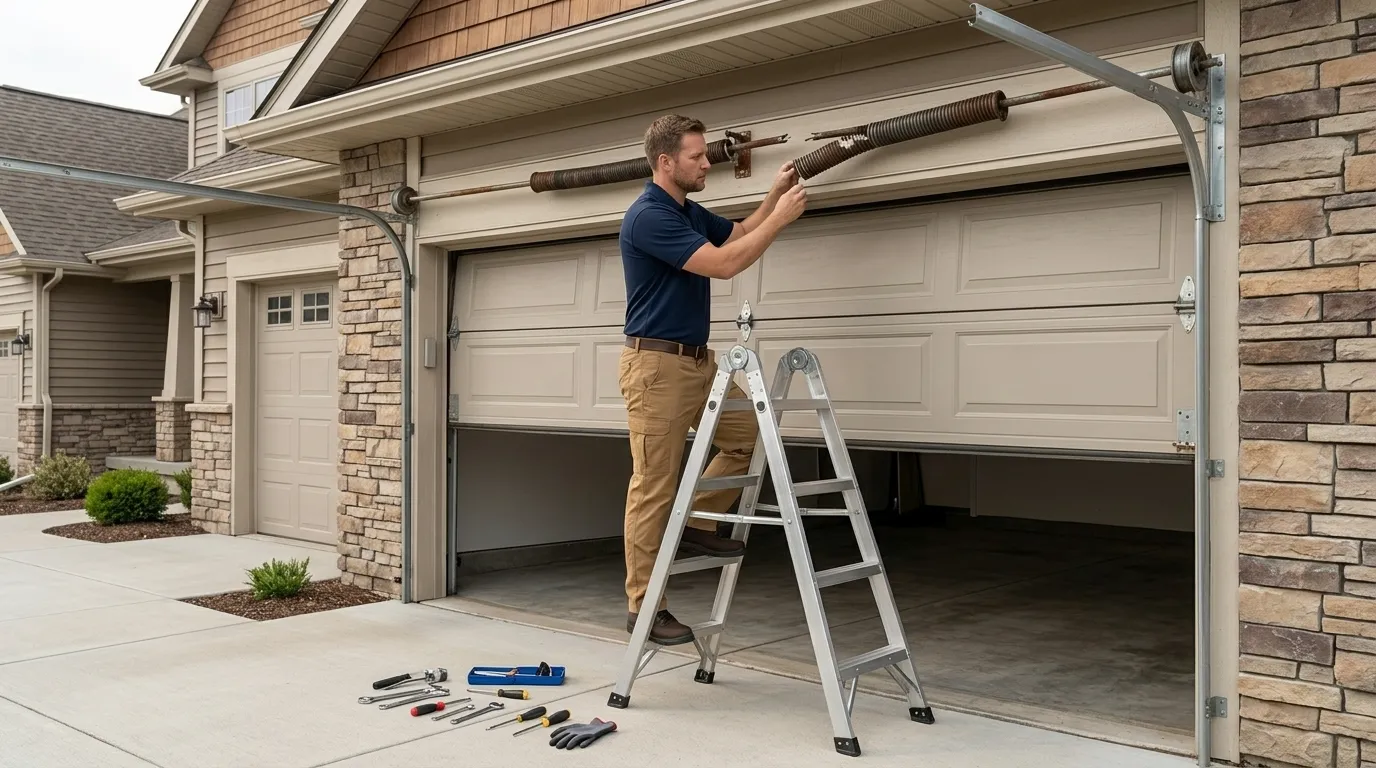
The mild temperate climate across this part of Orange County means Coto de Caza doors don't fail from heat cracking or corrosion the way they might somewhere with real seasonal swings - when a spring or cable goes here, it's almost always straight cycle-count wear, not weather damage. What does show up more in this neighborhood than in older, lower-income tracts we cover is upgraded hardware: heavier insulated panels, custom rollers, sometimes a belt-drive opener instead of chain, all of which put different load on the torsion spring than the base door it replaced. A spring sized for the original builder door will burn out fast under a heavier retrofit panel - that's the single most common call-back we see out this way, and it's a sizing problem, not a bad part.
What You Are Seeing
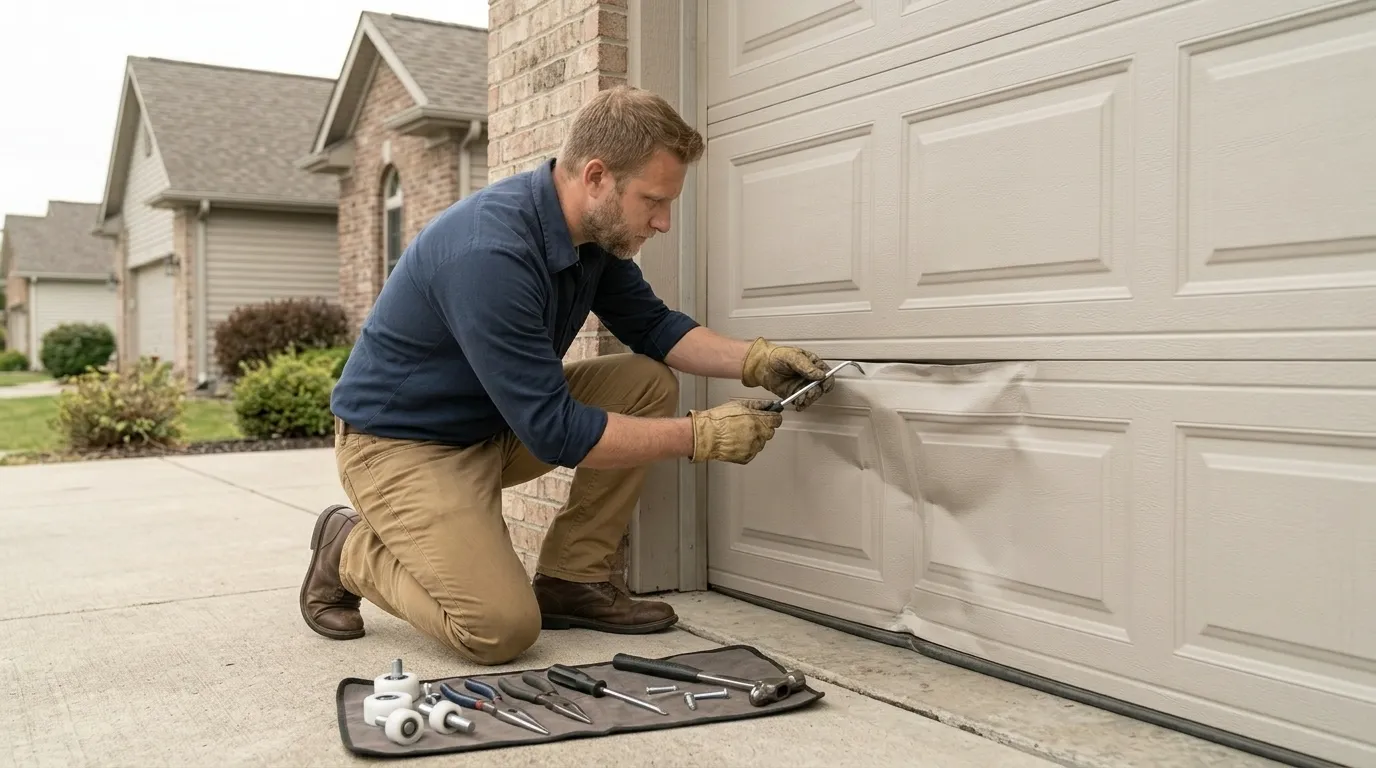
A door that slams the last foot instead of settling means the torsion spring has lost tension - common once a spring installed when the house was built in the mid-90s hits the end of its cycle life. A door that won't budge and the opener just hums is usually the same spring, fully broken, with the opener trying to lift dead weight it was never meant to carry alone. If the door runs unevenly, dropping on one side before the other, check the cables first - on heavier upgraded panels that's often a cable stretch issue rather than a spring problem. A keypad that stopped responding after a power blip is almost always a logic board reset, not a wiring fault, and it's a five-minute fix once we're there.