How Long You Are Without the Door
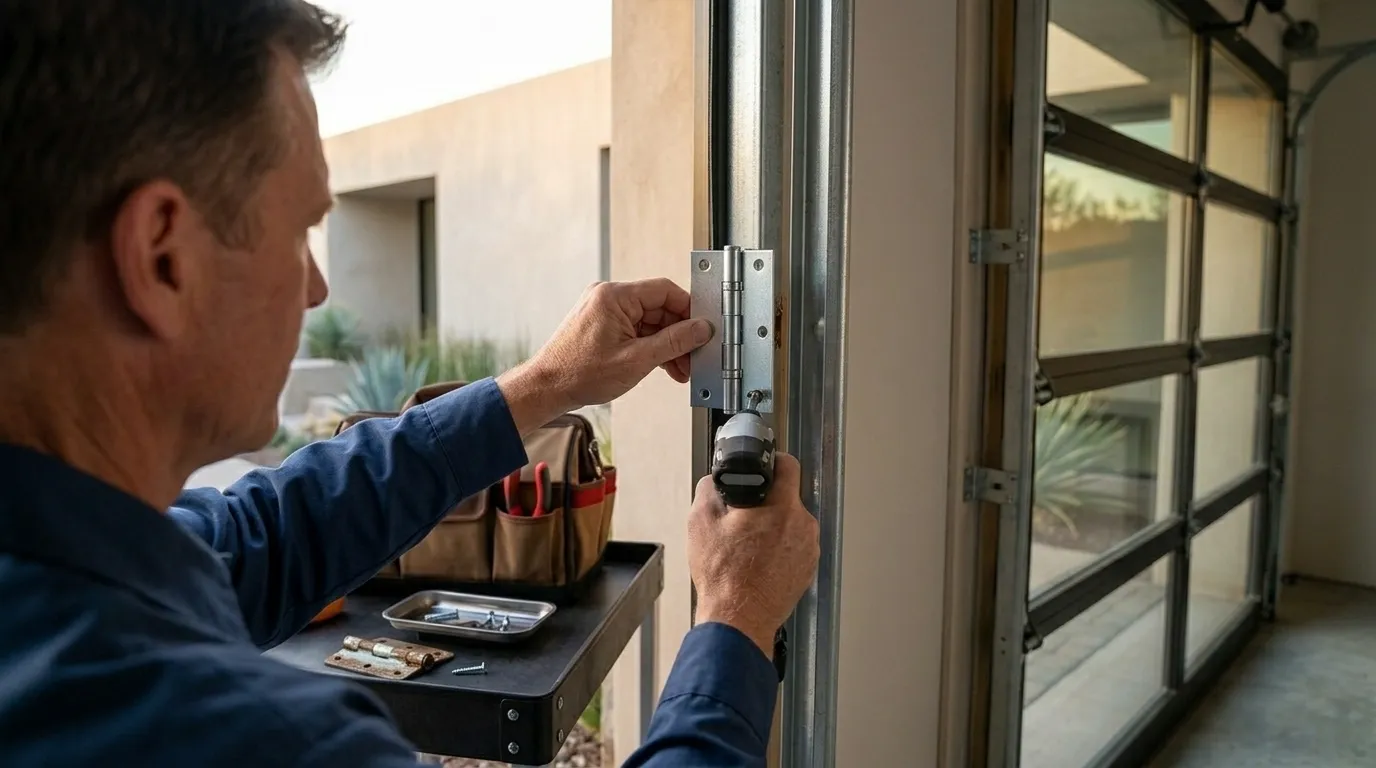
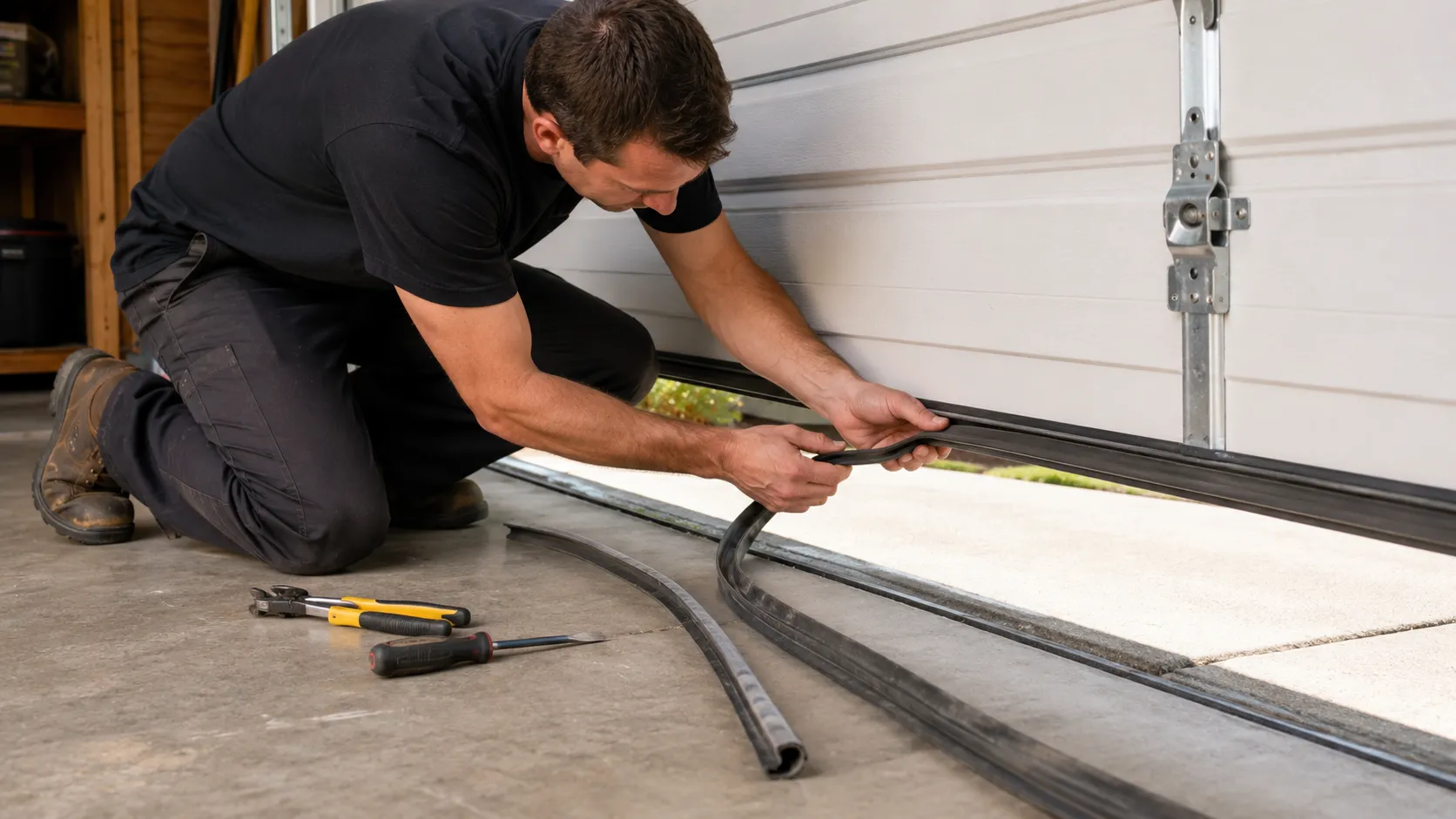
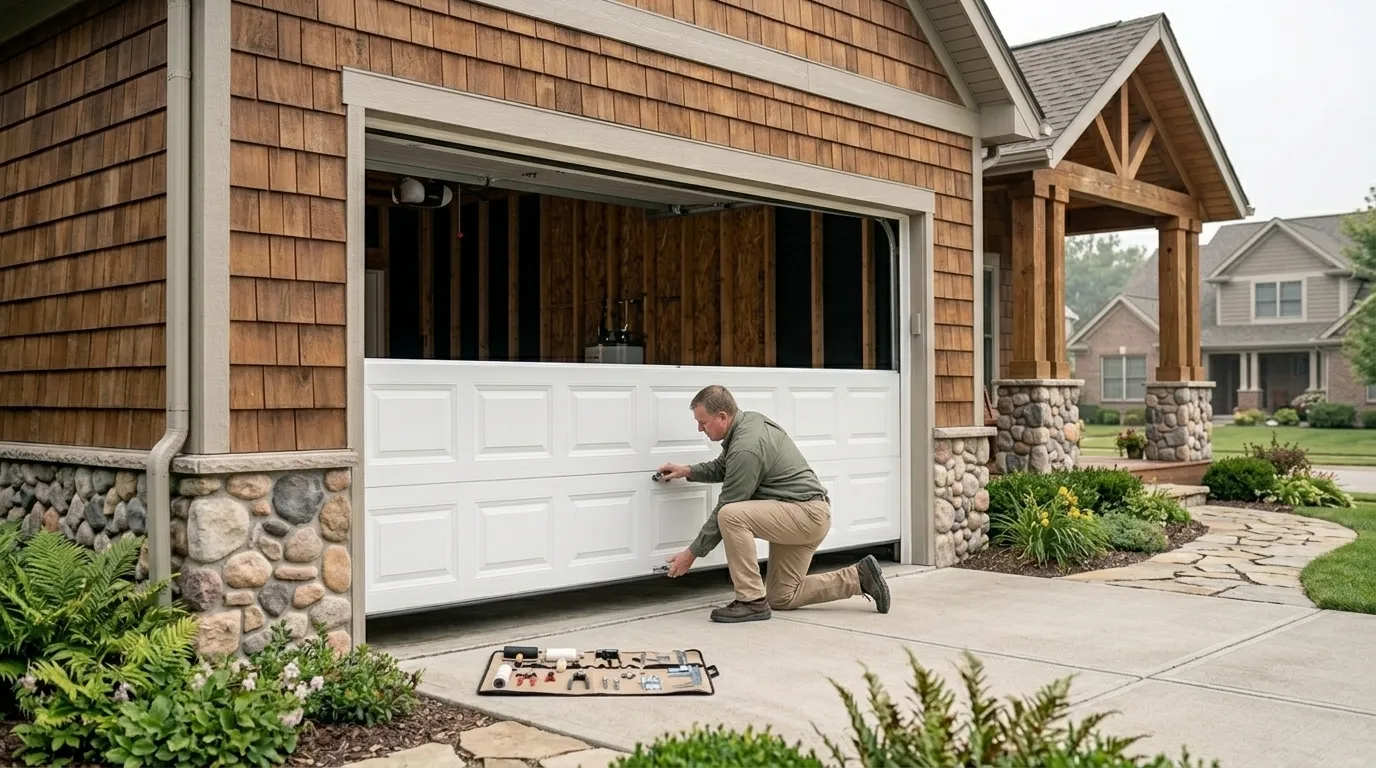
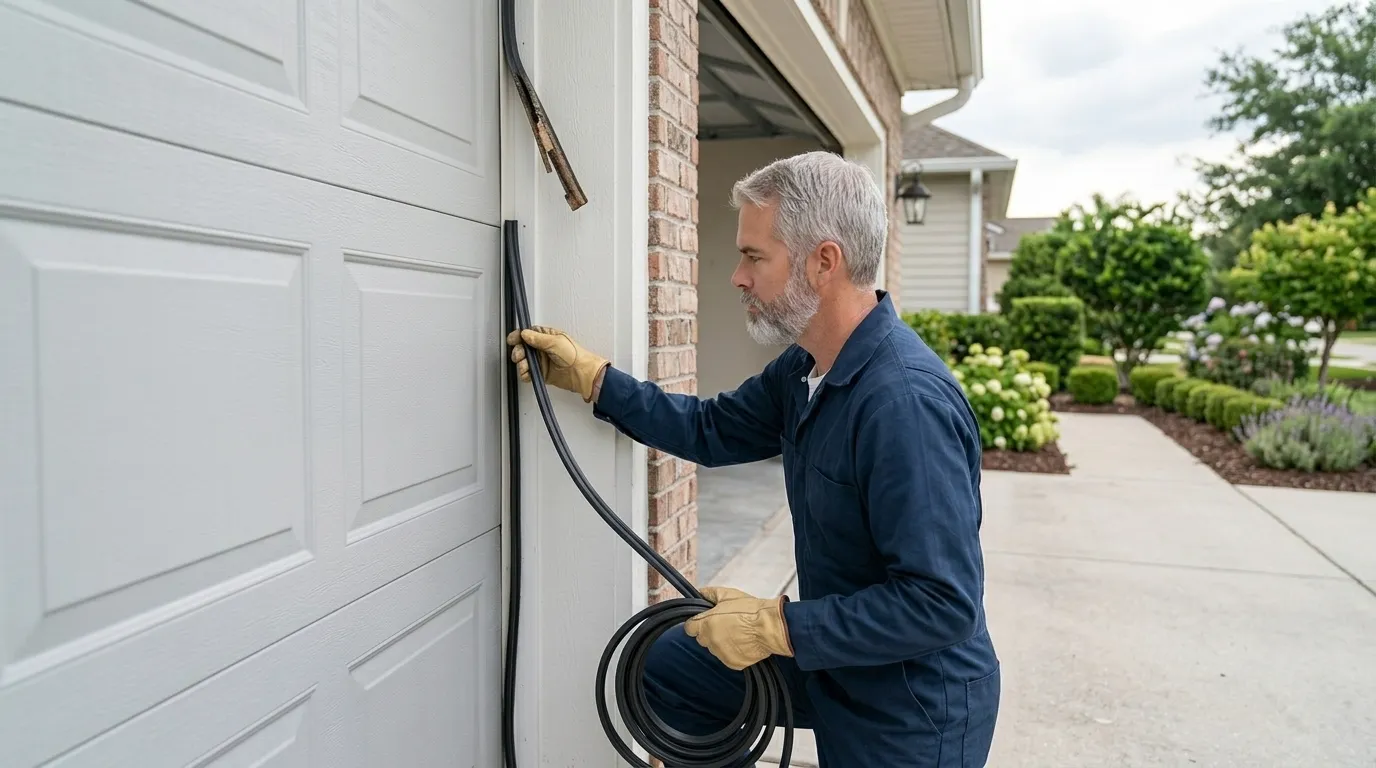
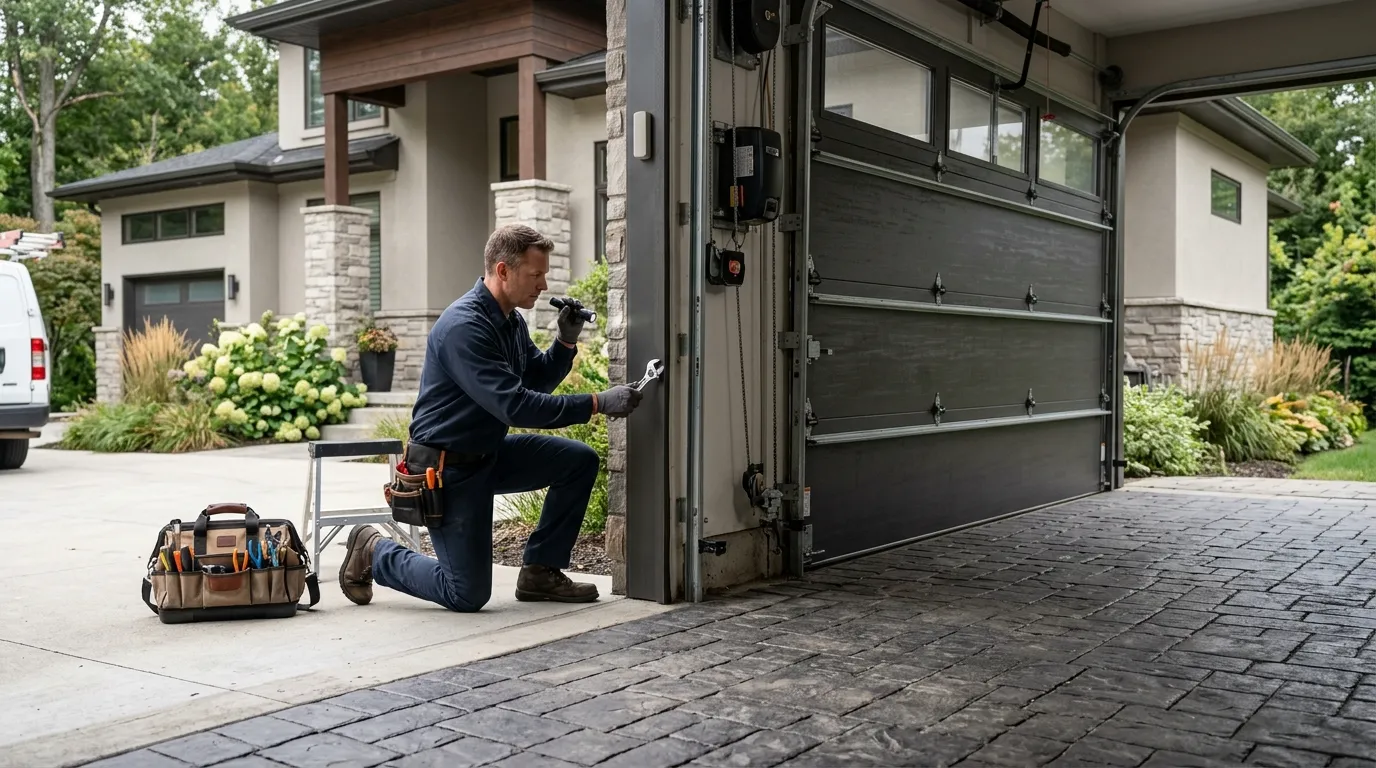
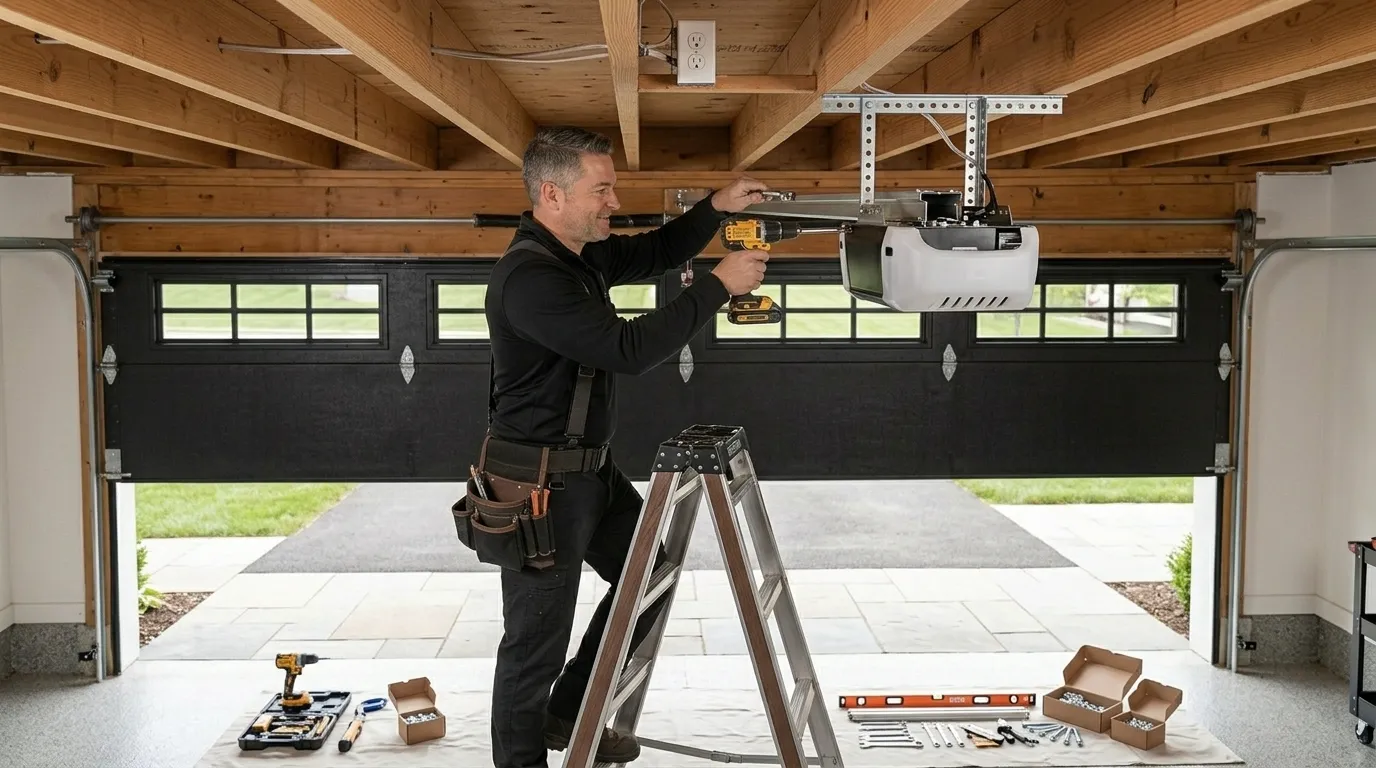
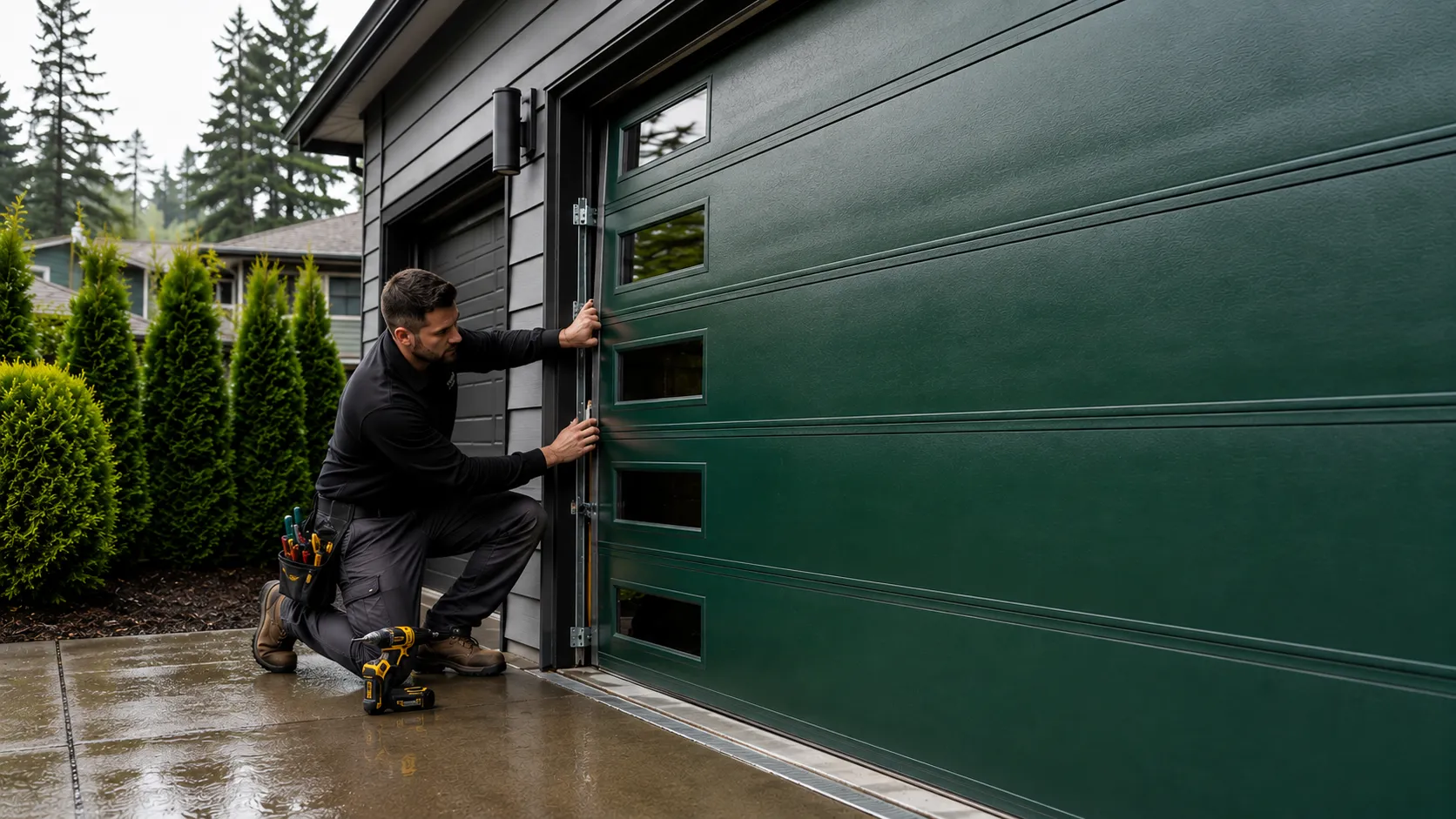
Most of the roller jobs we run in Coto de Caza are same-visit work. The door comes down, the old rollers come off the track one at a time so the door never has to leave the opening fully unsupported, and the new set goes in. There's no parts wait on rollers themselves - they're a stock item - so the door is back down and cycling before the truck leaves. Where it takes longer is if the track itself has worn oval from years of steel-on-steel contact, which is common on doors built around the area's median year of 1995. If the track needs straightening or swapping, that adds time on-site, not a return trip. We'd rather tell you that up front than have you plan around a quick fix that turns into an hour-and-a-half job once the door's open and we can see the track wear.
How to Book
Coto de Caza sits about 10 miles from our Dana Point base, so we schedule the drive into the day rather than treat it as an add-on stop. Call and describe what the door's doing - grinding, sticking partway, or a visible roller hanging loose in the track - and we'll get a slot on the books. We don't run a branch or a drop-box out here; every job travels from Dana Point, which is worth knowing if you're expecting a same-hour walk-in. Tell us the door's approximate age if you know it - homes in this area were mostly built through the 1990s, and that alone tells us a lot about what hardware we're likely dealing with before we even see the door.
Why This Fails Locally
The mild coastal-inland climate here doesn't put much moisture or freeze-thaw stress on garage hardware, so rollers don't fail from weather the way they might somewhere with harder winters. What they fail from is straight mileage. A door built in the mid-1990s and used daily for three decades has put a steel roller through tens of thousands of cycles, and the bearing surface just wears smooth and starts to bind. Original builders across this stretch specced steel rollers as standard, not the sealed nylon kind that came later as an upgrade option - so a lot of Coto de Caza doors are still running the factory hardware from a build era where nylon rollers weren't the default. That's the fault pattern we see out here more than anything else.
What You Are Seeing
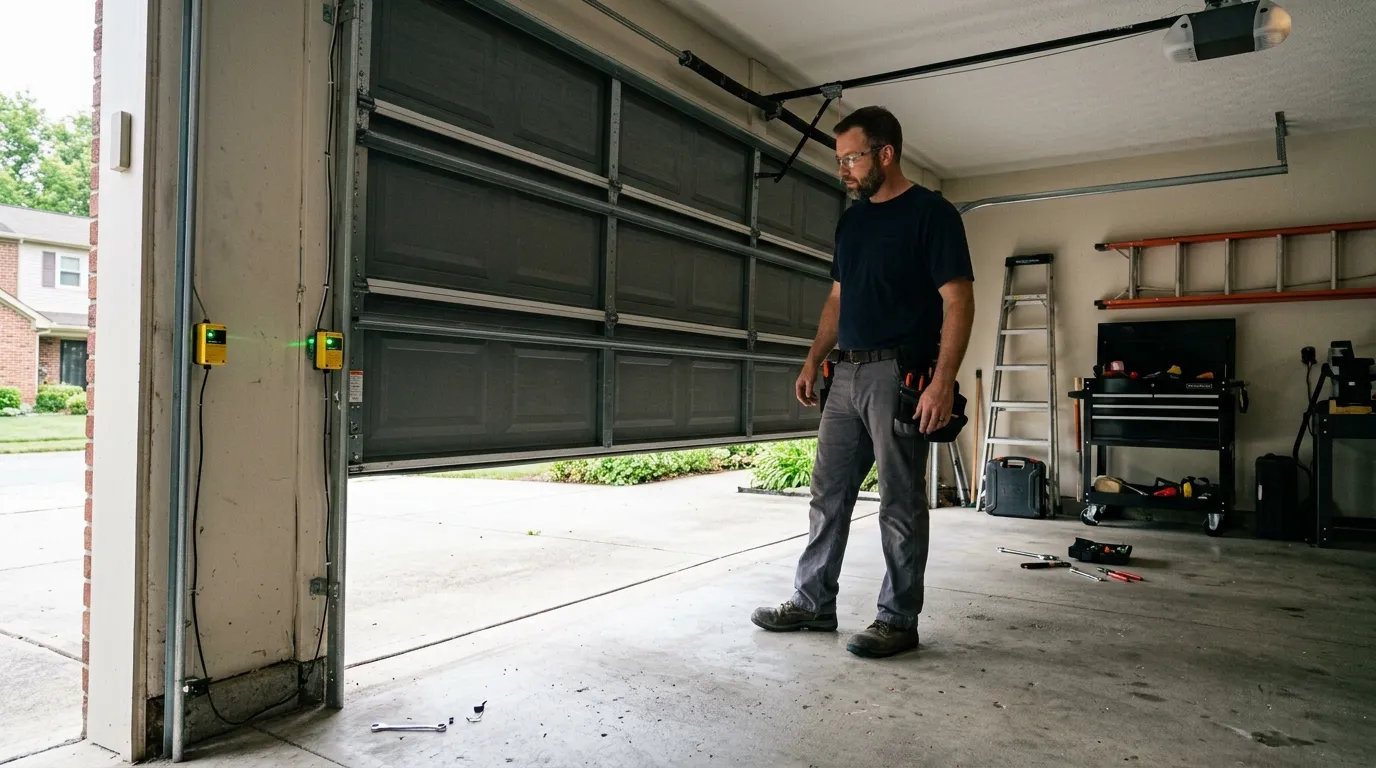
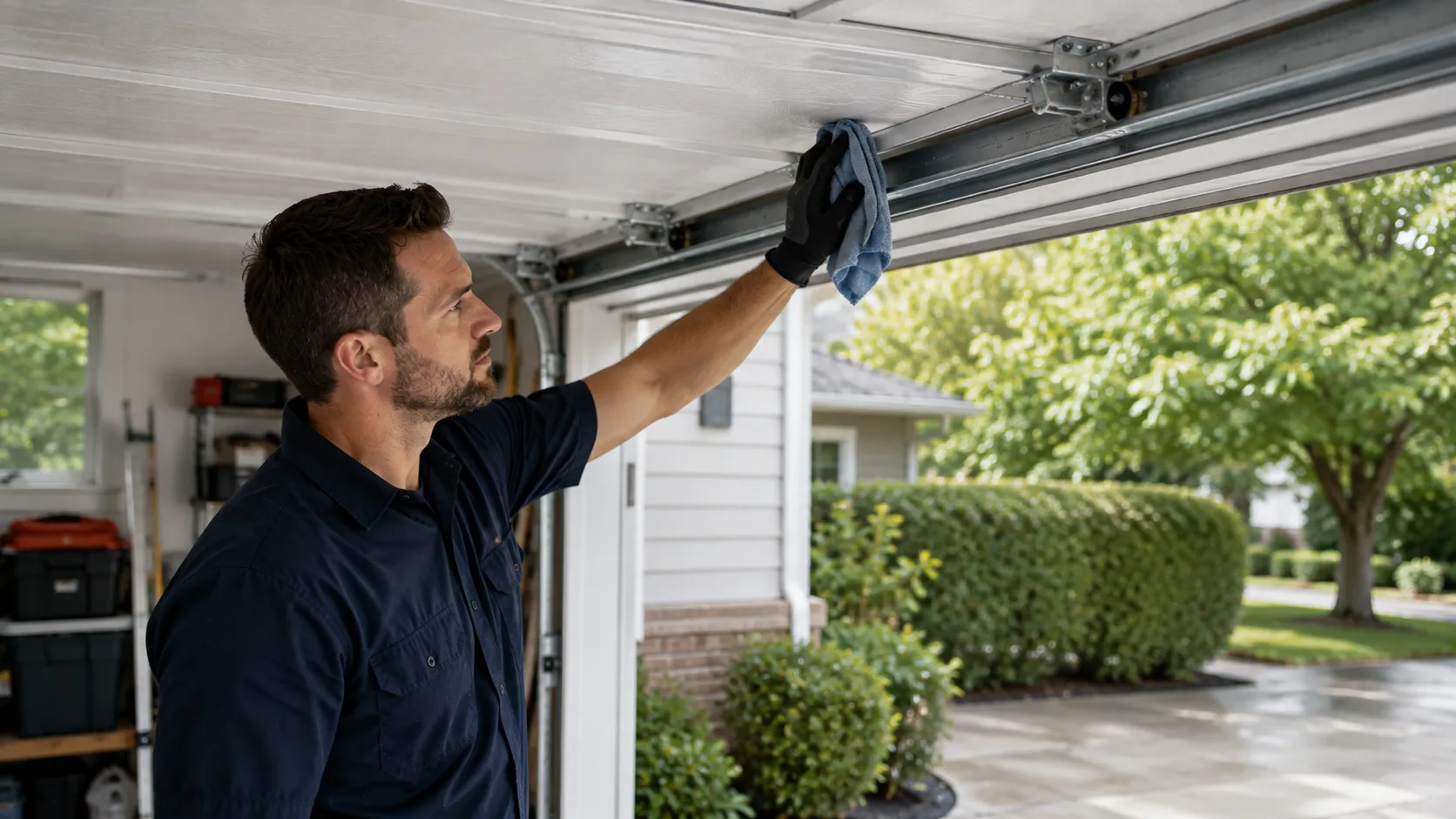
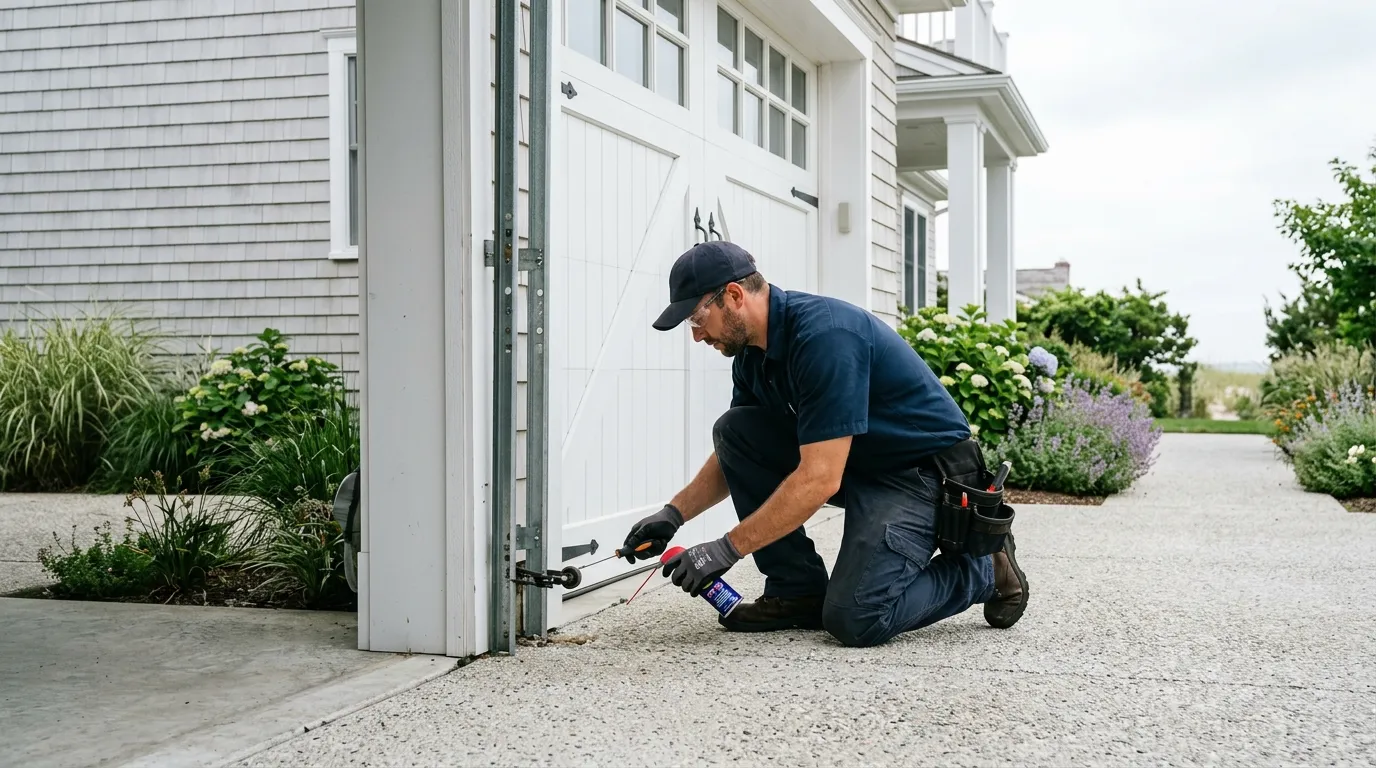
A grinding or rattling noise as the door travels, worse near the top or bottom of the run where the roller sees the most load reversal. Sometimes a roller works partly off its stem and you can see it sitting crooked in the track through the gap. On steel rollers specifically, you'll often hear a dry metallic squeal that oiling quiets for a week and then comes right back, because the bearing surface underneath is already worn - oil is masking it, not fixing it. If the door jerks or hesitates at the same spot on every cycle, that's usually one bad roller catching the same point in the track, not a spring or opener problem.