What Can Go Wrong
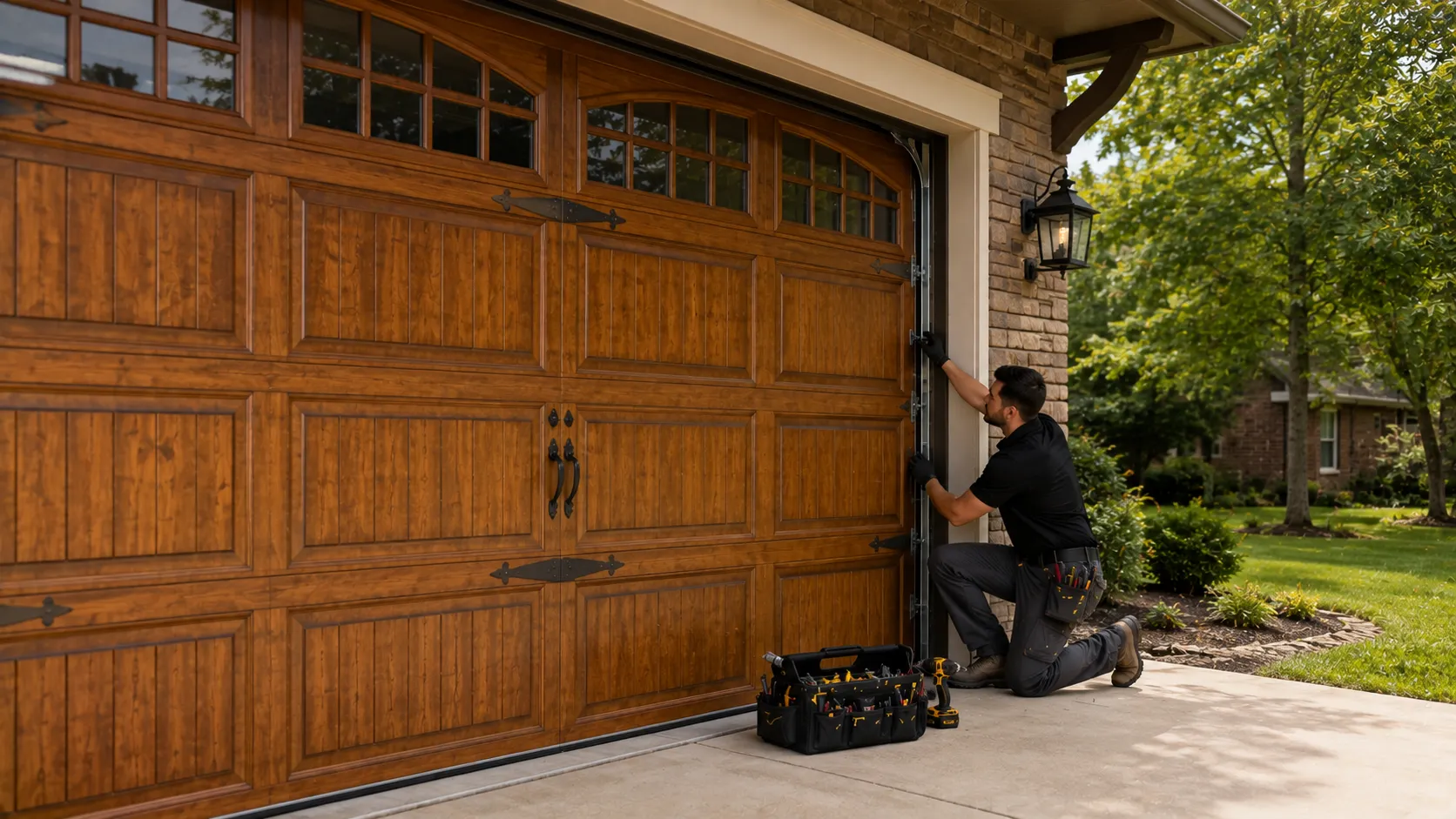
Laguna Hills sits about 8 miles up the road from our Dana Point shop, which is close enough that a maintenance visit doesn't get eaten up by drive time, but far enough that we plan the day around it rather than swinging by on a whim between other jobs. Most of the houses here went up around 1980, which puts them in a specific window of garage door hardware: steel sectional doors on torsion springs, often with the first generation of chain-drive openers that replaced the old screw-drive units. That gear is now in its fourth decade in most cases, and the failure points are predictable. Springs lose tension gradually and then let go all at once, usually on a cold morning when the steel has stiffened overnight. Rollers on the original doors were often nylon without bearings, and after this many open-close cycles they've flattened on one side, which throws the door off its track just enough to bind. Cables fray where they wrap the drum. None of this is exotic. It's just the ordinary wear you'd expect from a door and opener that have outlasted two or three cars in the driveway.
What You Are Seeing
If your door is from that 1980-ish build wave, a few symptoms show up again and again. A door that used to glide now hesitates a few inches off the floor, then jerks the rest of the way - that's usually a spring that's lost enough tension the opener is doing more of the lifting than it should. A grinding or popping sound near the top corners often means a roller has worn down to the point where it's riding on its edge instead of rolling flat. If the door looks slightly crooked when it's open, one cable has probably stretched or frayed more than the other. None of these show up overnight. They creep in over months, which is exactly why a lot of owners live with a noisy or slightly crooked door for a long time before it fails outright. The mild coastal climate here doesn't rust hardware the way a harsher climate would, but it doesn't stop lubricant from drying out or steel from fatiguing after forty-plus years of cycles either.
What the Fix Involves
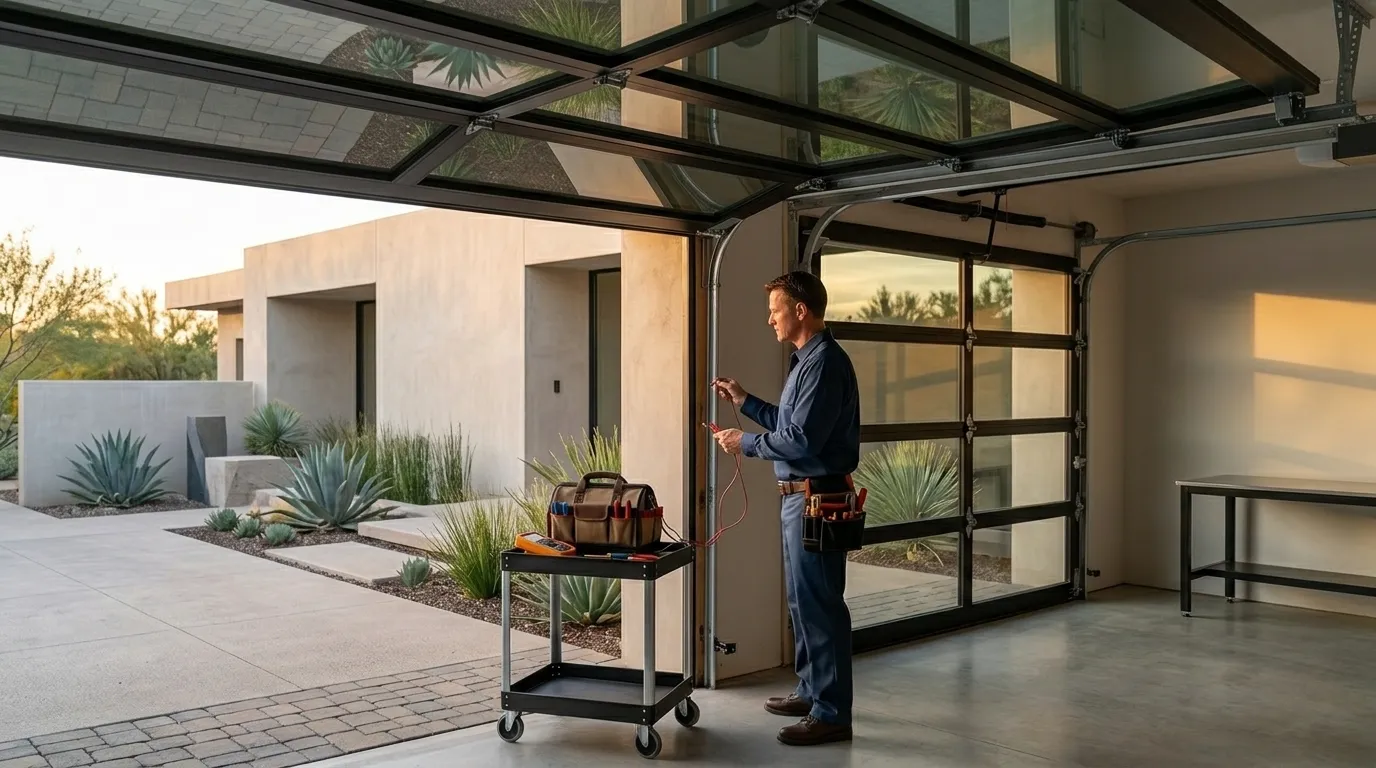
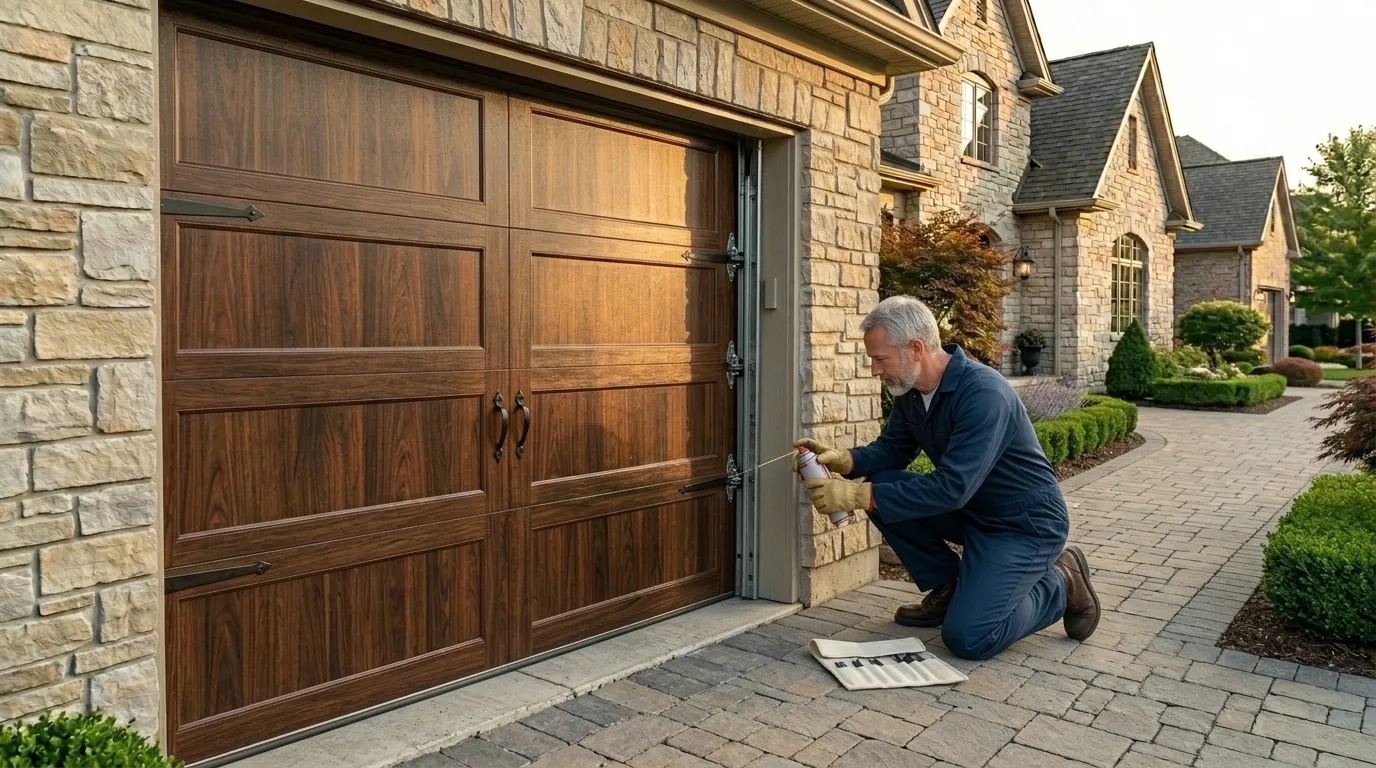
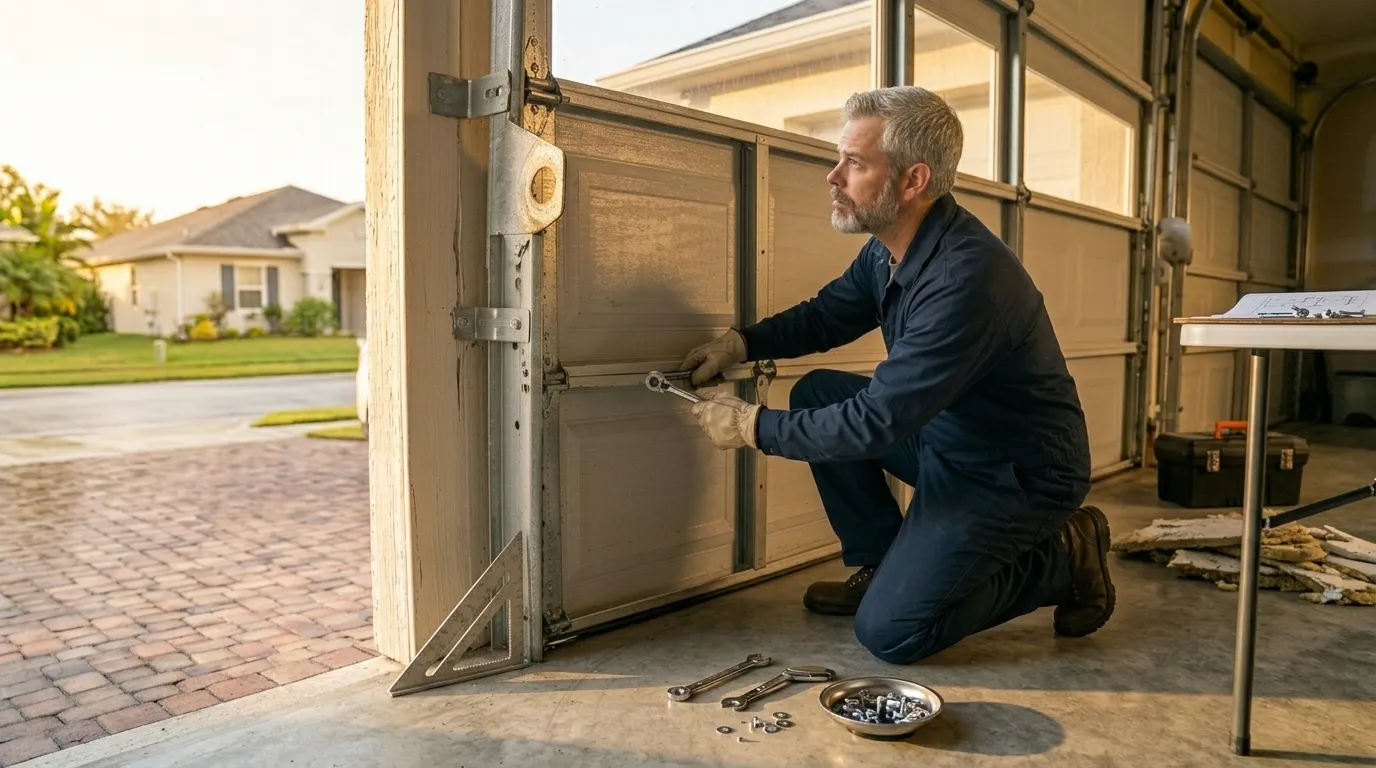
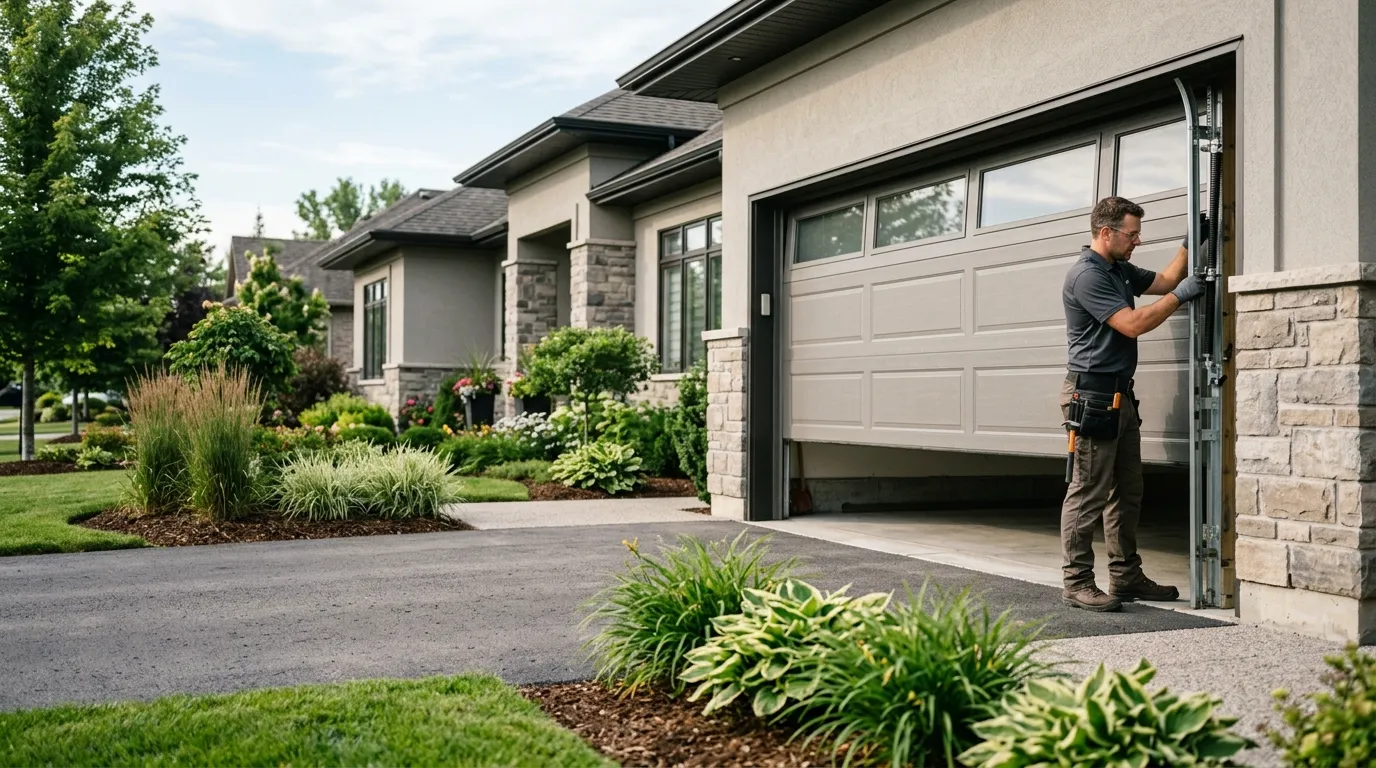
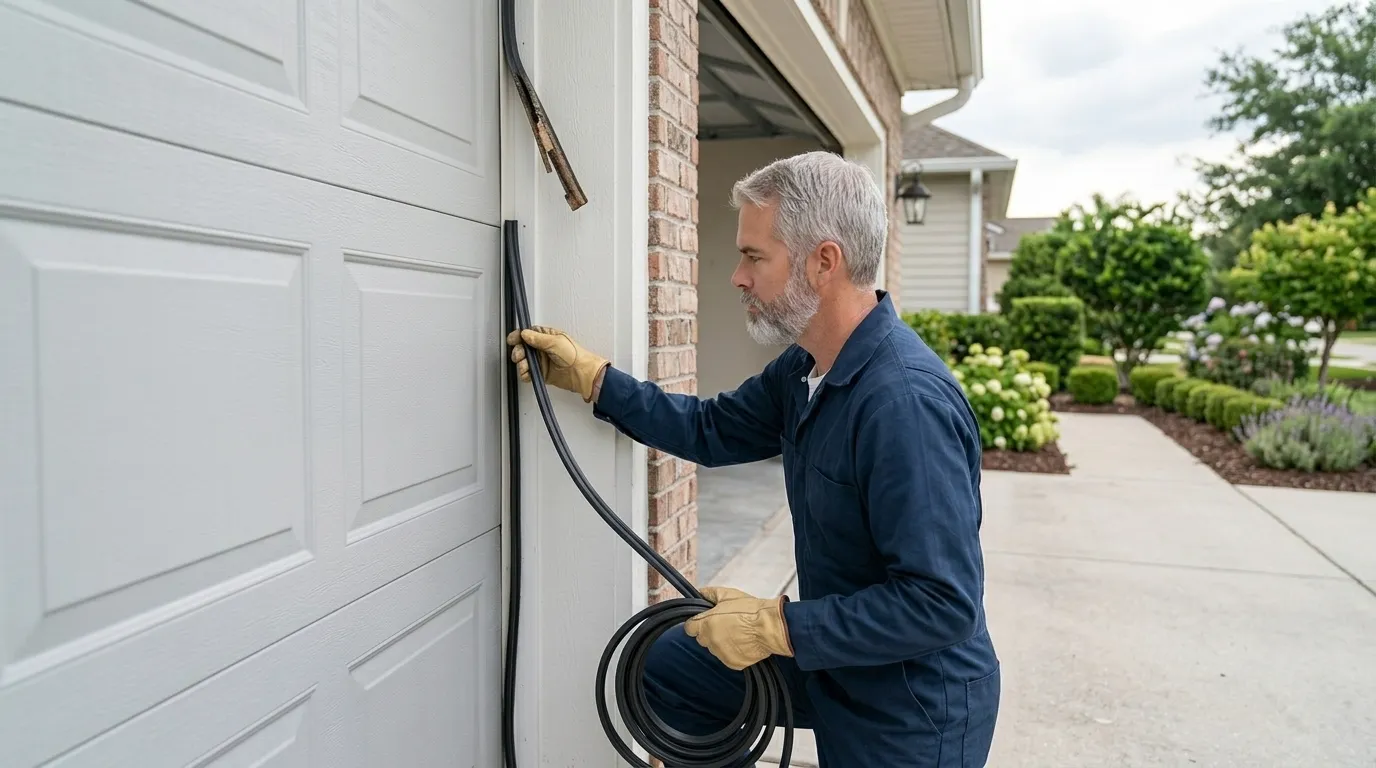
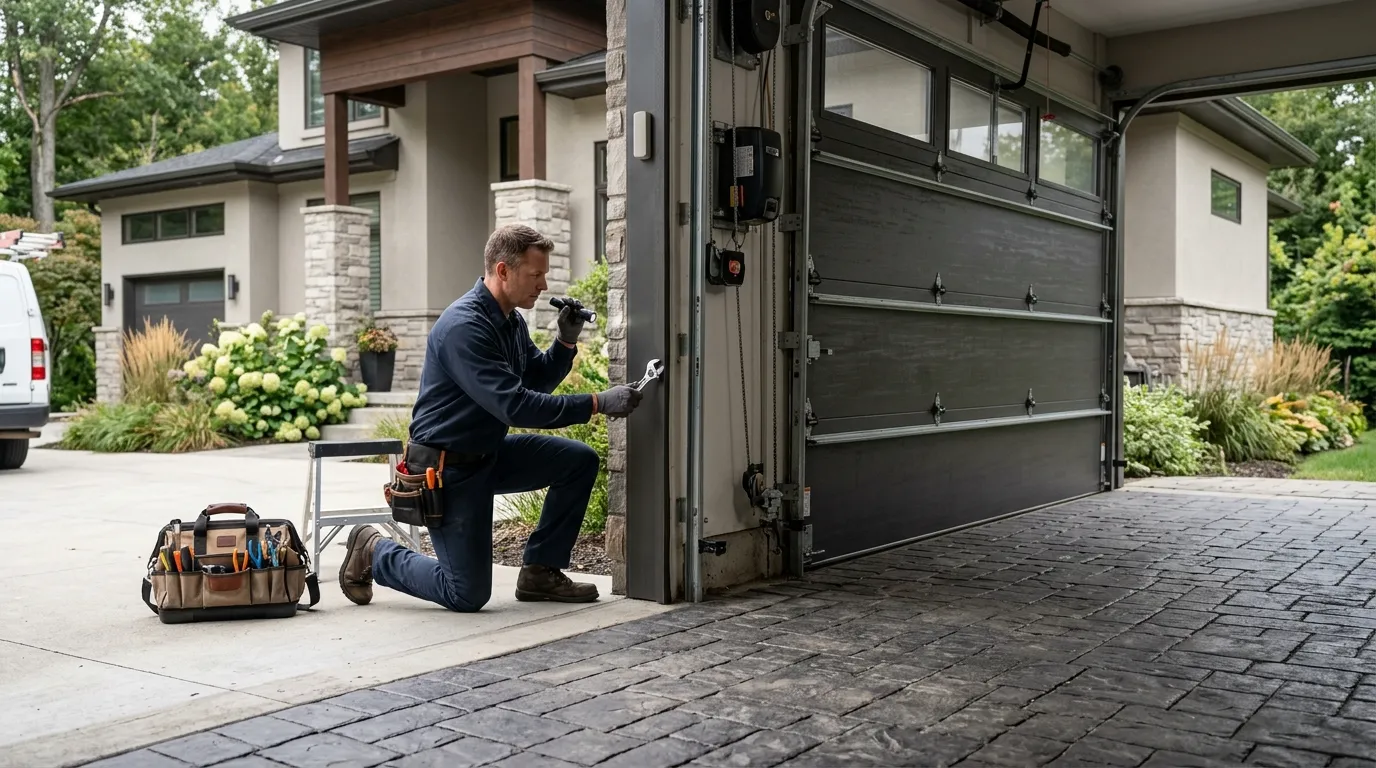
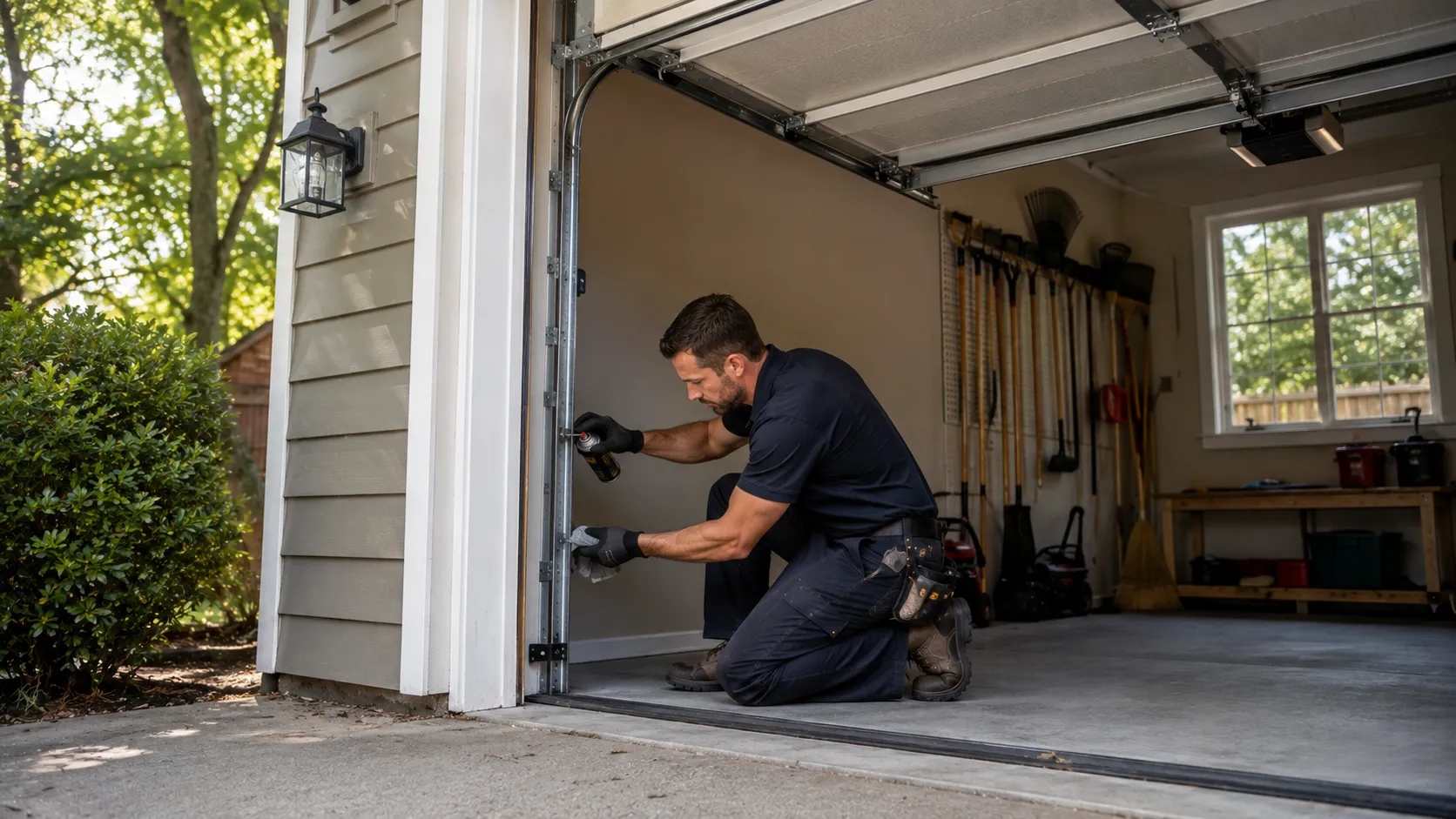
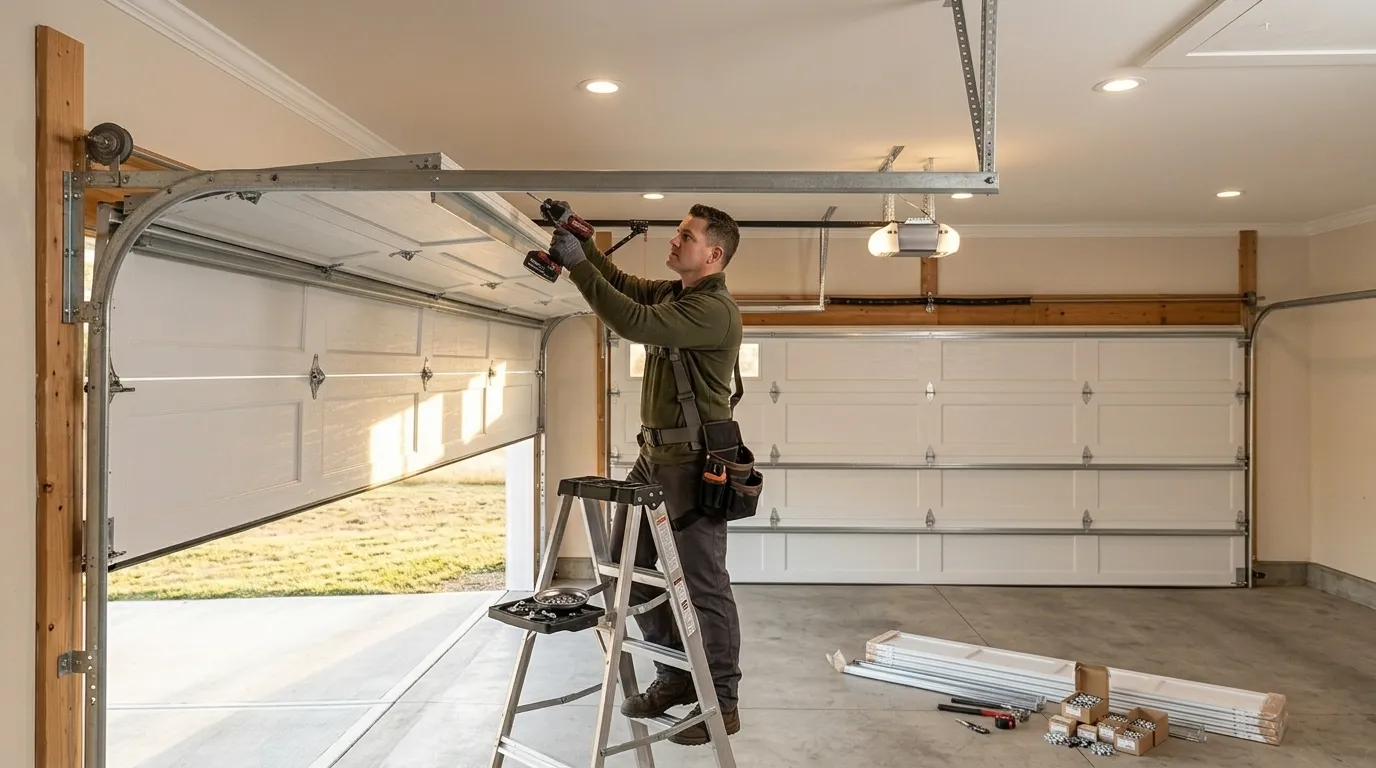
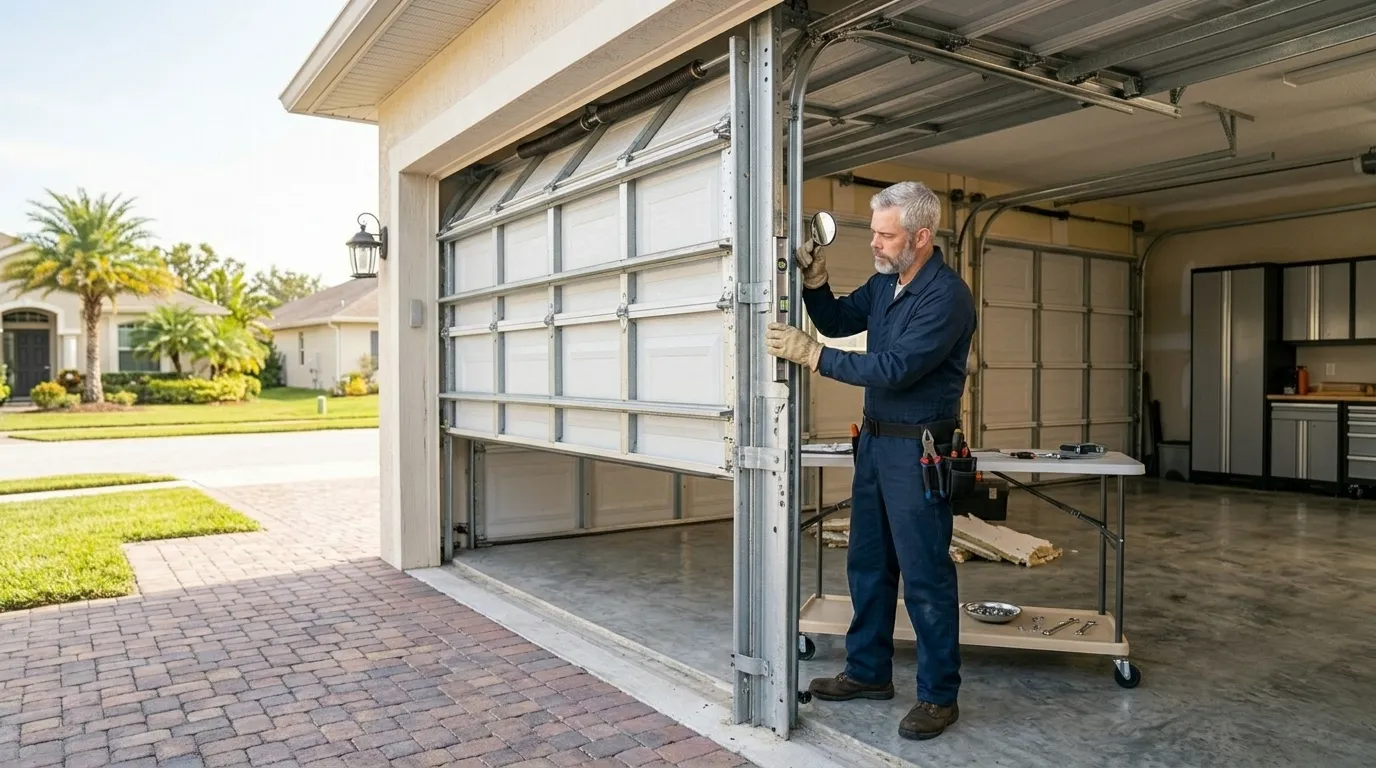
A standard maintenance visit covers spring tension checks and adjustment, roller inspection and replacement where they've worn flat, cable inspection, track alignment, hardware tightening, and a full lubrication pass. On a door from around 1980 we're also checking whether the opener's safety reversal system meets current expectations, since a lot of units from that era predate photo-eye sensors becoming standard. We don't replace parts that don't need it - if the springs are still within a reasonable tension range and the cables show no fraying, we say so and move on rather than upselling a full spring swap. One honest limitation: some original hardware from this period is no longer made, so if a specific bracket or drum needs replacing, we sometimes have to substitute a compatible modern part rather than an exact match, and that can add a short wait if it's not something we carry on the truck.