What You Pay
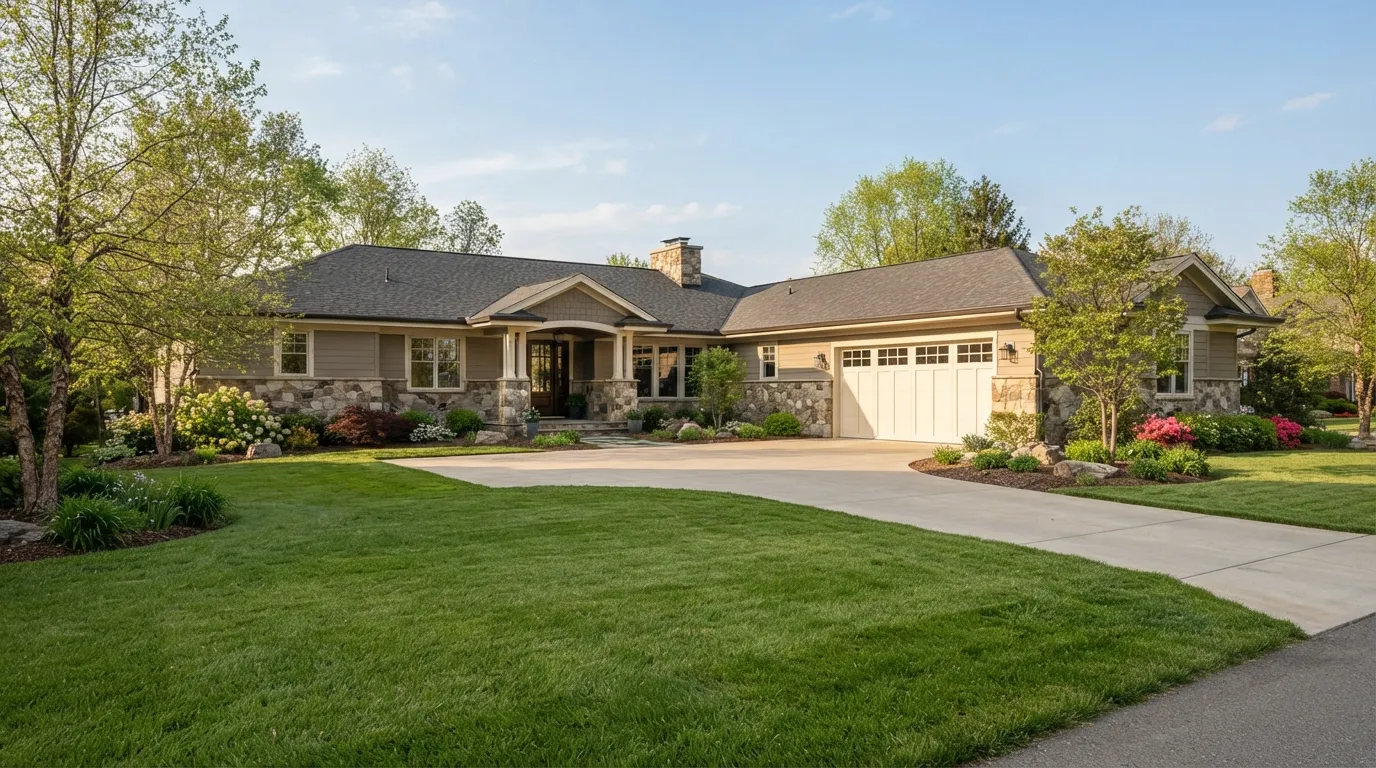
There's no flat number here worth quoting, because what a noise costs to fix depends entirely on what's making it - a dry roller is a tube of lube and five minutes, a failing torsion spring is a full spring job, and a grinding opener gear is a motor head replacement. What we can tell you is how homeowners in this area tend to decide. With a median household income around $160,809 across the service area, a lot of people here choose to replace an aging door outright once a second or third repair comes up, rather than keep patching original hardware from the 1980s or 90s. That's a reasonable call on a door that old - it's not always the cheaper one up front, but it's often the one that stops the phone calls. If your door is newer, from the 2000s or later building wave, a single repair usually does the job and there's no reason to talk you into more.
One honest limit: we can't quote a number over the phone from a description of a sound alone. Torsion springs, extension springs, and worn opener gears all make different noises but sometimes overlap, and guessing wrong wastes your time and ours.
What Most People Get Wrong
The most common mistake we see in Dana Point is assuming a new noise is just the house settling or the door "getting old," and letting it run for months. Because this area sits in a mild temperate climate, homeowners here don't get the obvious tip-offs that colder or wetter regions do - no ice cracking a roller, no humidity swelling a wood panel overnight. So a noise that shows up gradually here is almost always mechanical wear working its way through original hardware, not weather doing something dramatic. People wait for a dramatic cause that isn't coming.
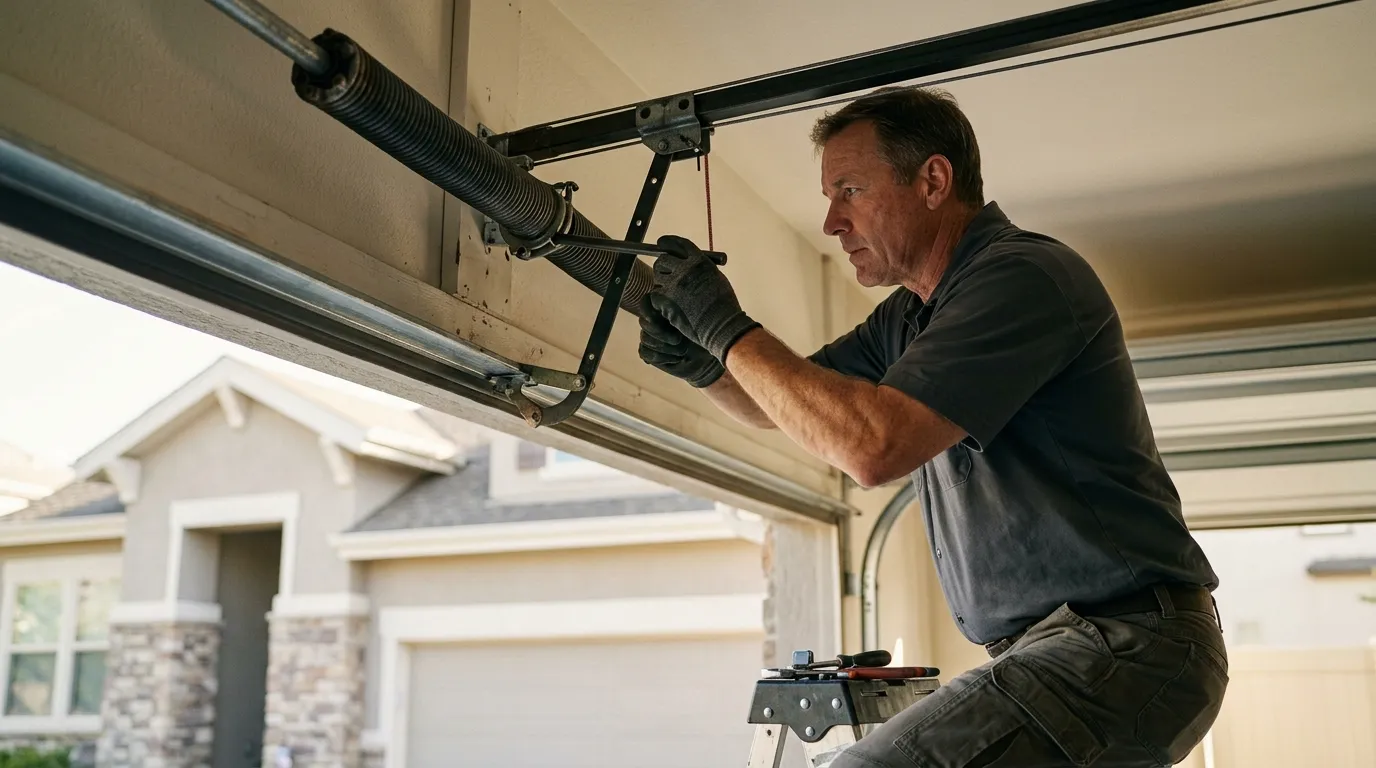
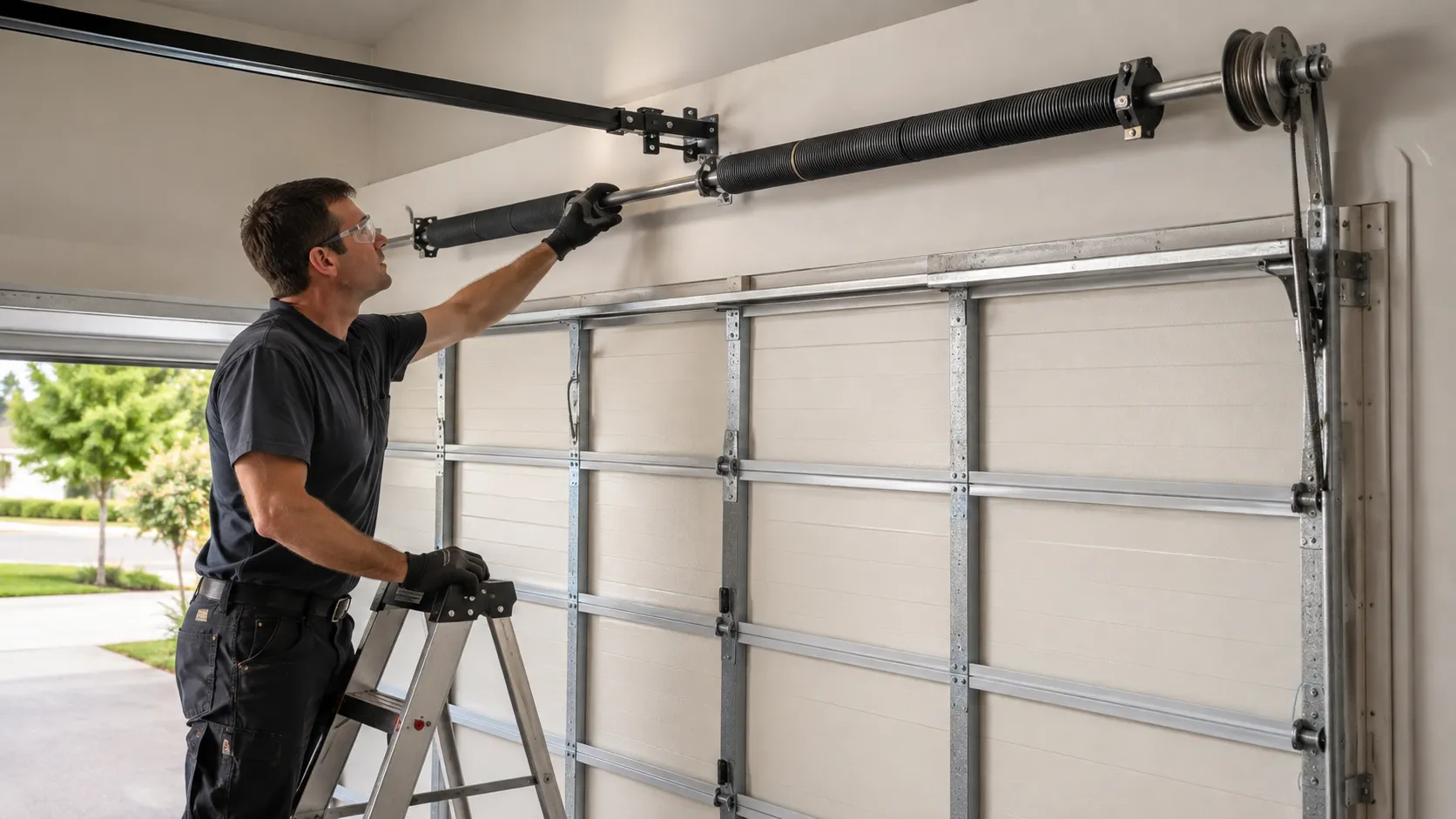
The second mistake is treating every noise as a spring problem. A rhythmic thump once per rotation is usually a flat spot on a roller. A sharp bang, once, followed by the door refusing to move, is a spring letting go. A grinding whine from the motor head with the door barely moving is the opener's gear set giving out, not the door itself. Diagnosing by sound before you call saves a wasted trip charge and gets the right guy with the right part on the truck the first time.
How Local Conditions Play In
Dana Point sits in a mild temperate climate band, which cuts out a lot of the noise causes - literal and otherwise - that homeowners deal with in harsher climates. There's no deep freeze locking up grease, no repeated hard freeze-thaw cycling that cracks nylon rollers, no heavy humidity swings that swell wood door panels against their tracks. That's the good news.
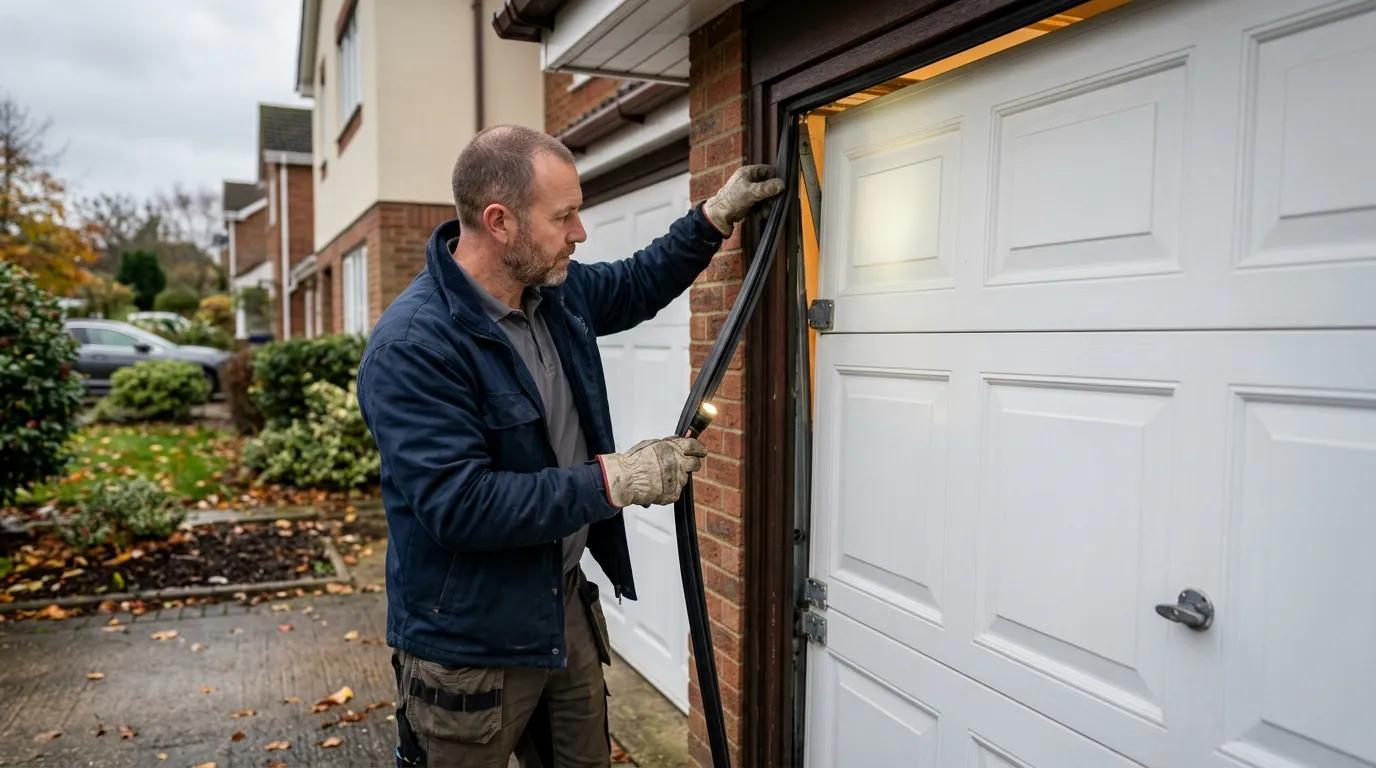
The flip side is that when a door here does start making noise, weather almost never gets to take the blame. It's wear, plain and simple - a spring reaching the end of its cycle count, a roller bearing drying out, a track bolt working loose from years of vibration. That makes noise diagnosis in this area more reliable, not less: if you hear something new, it's very likely the mechanical culprit and not a seasonal fluke that'll go away on its own. Take the sound seriously the first time you notice it, because there's no mild spell coming to fix it for you.