Older vs Newer Streets
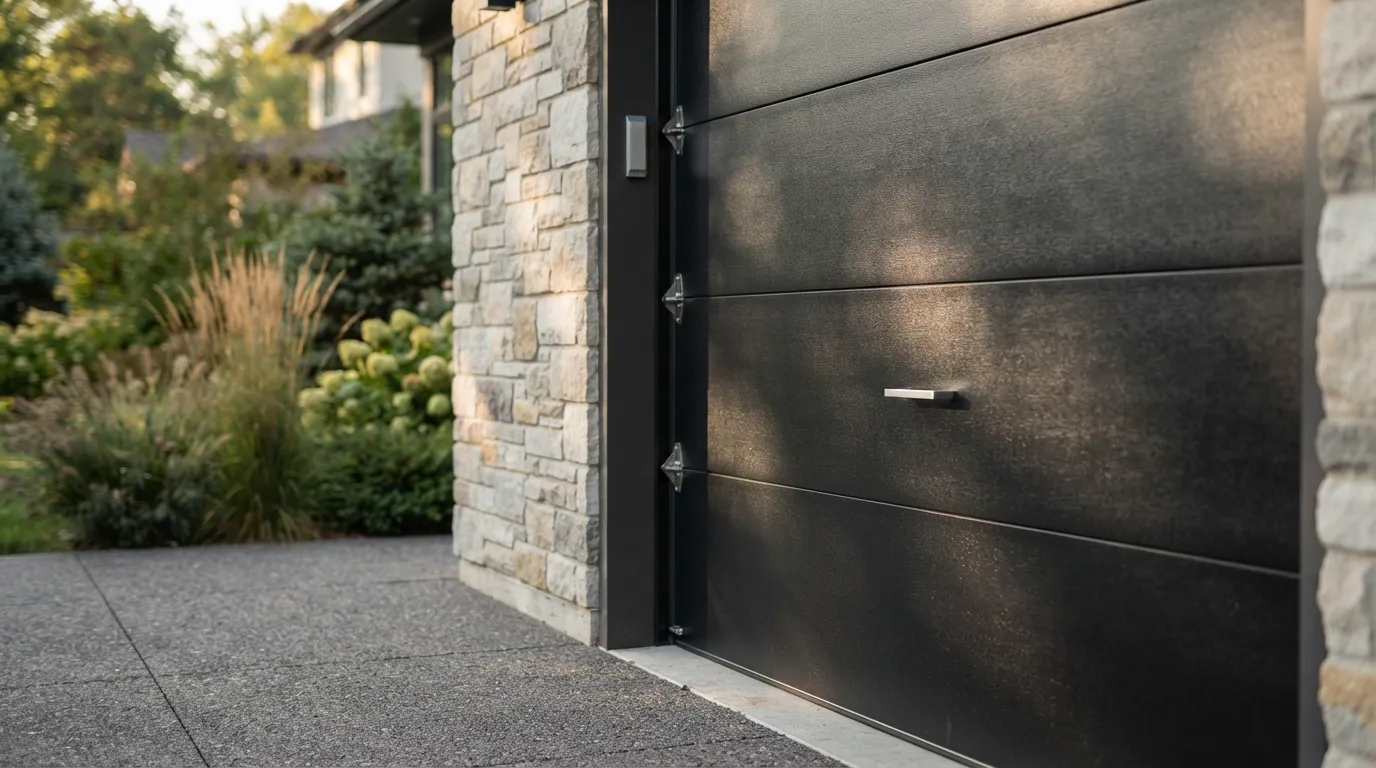
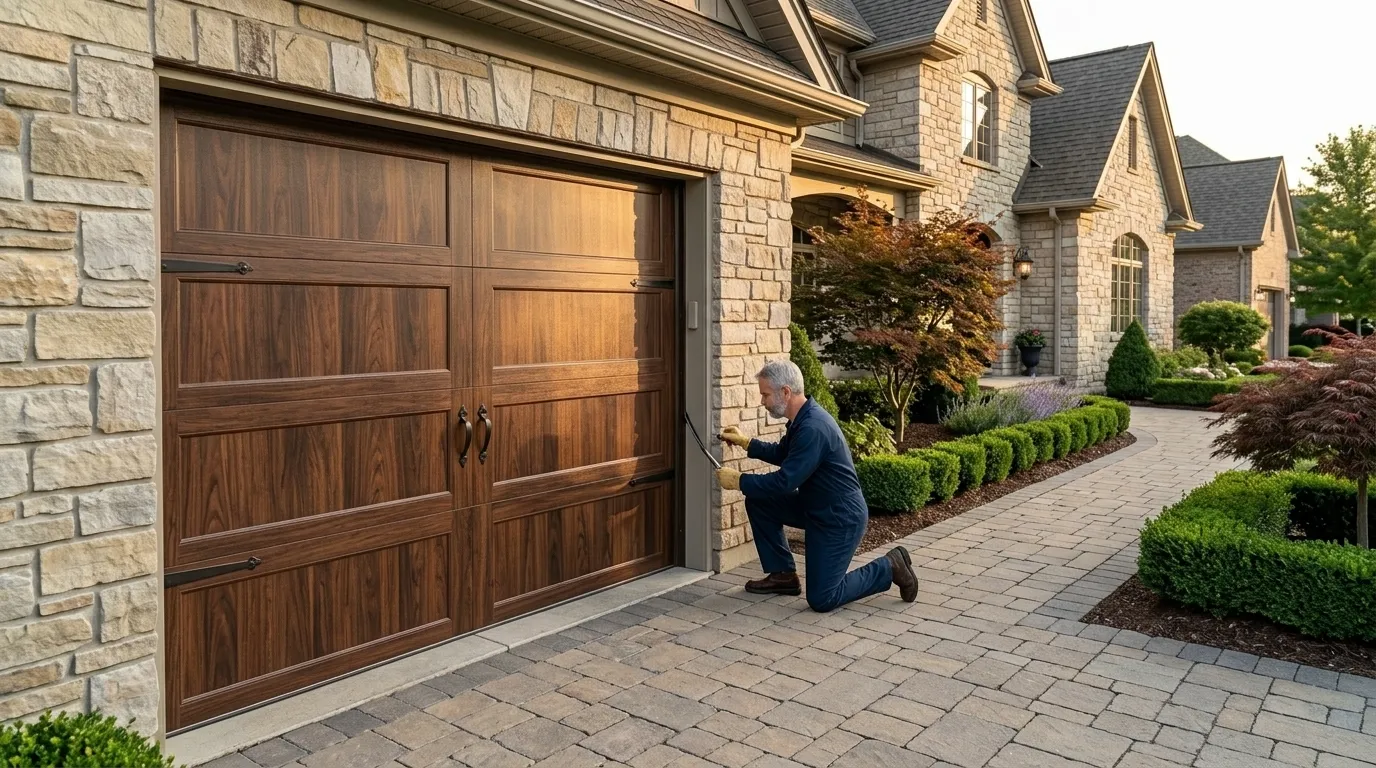
Silverado doesn't match the rest of our coverage area. Across the wider service territory the median home was built around 1982, mostly 1980s and 90s tract construction. Silverado's median build year is 1938 - roughly four decades older than the norm. That's not a rounding difference. A door installed on a house framed in the late 1930s was very likely not original equipment; it's been swapped, patched, or retrofitted at least once, sometimes with parts that don't match the opening or the header it's mounted to.
With only about 399 households in Silverado, this isn't a subdivision where ten identical garages got the same builder-grade door on the same install day. Each property here tends to have its own history - additions, detached garages built later, openings that were widened or narrowed off the original frame. We don't assume a Silverado call looks like a call from the newer parts of the area, and we don't quote a job here off a standard tract-house price without seeing the opening first.
How That Shows Up in the Door
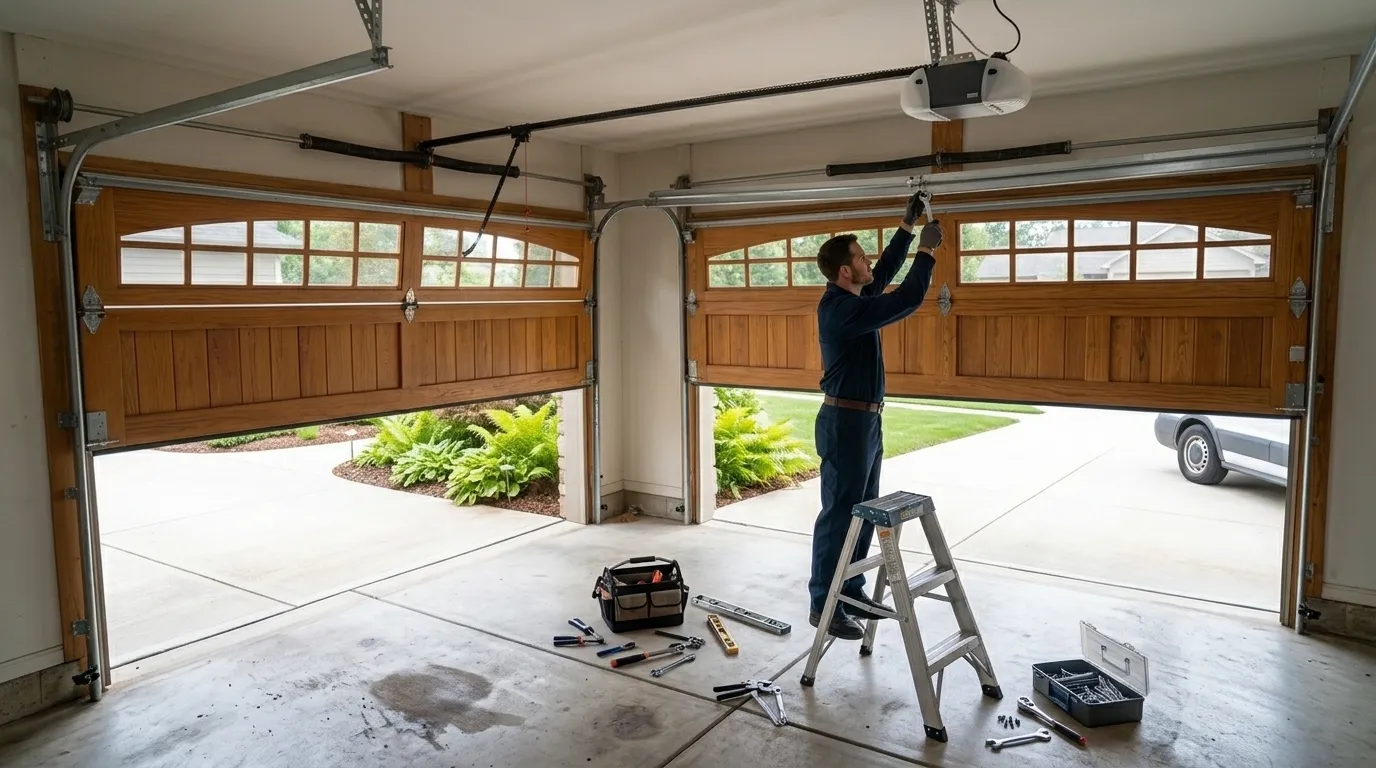
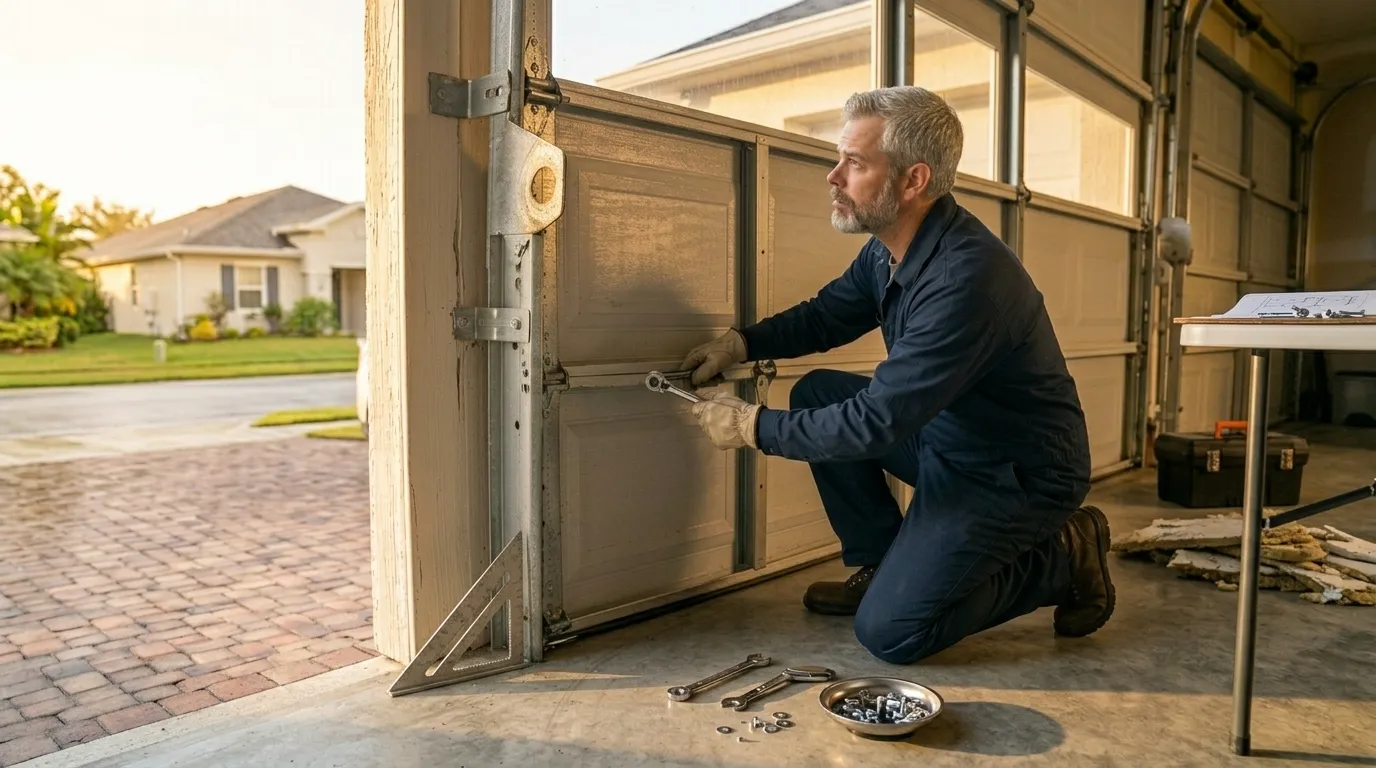
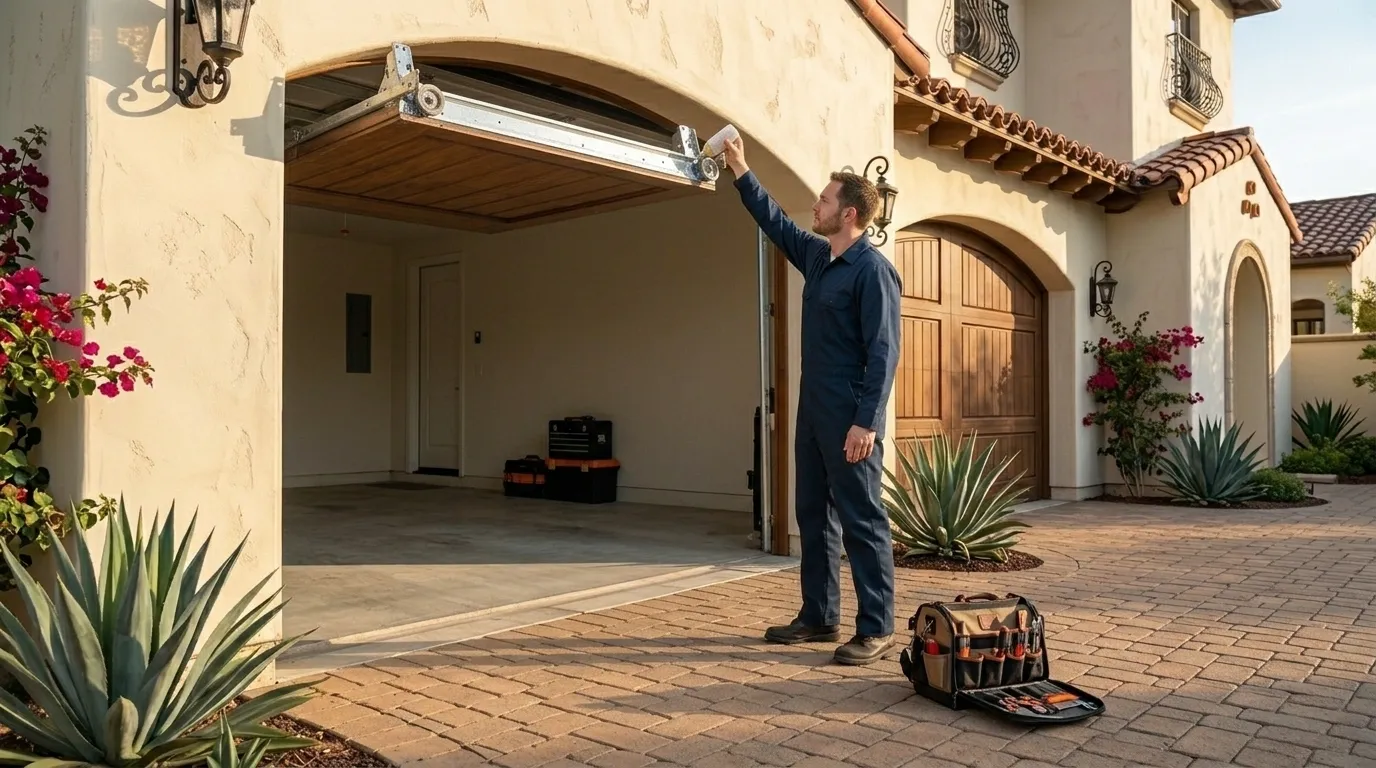
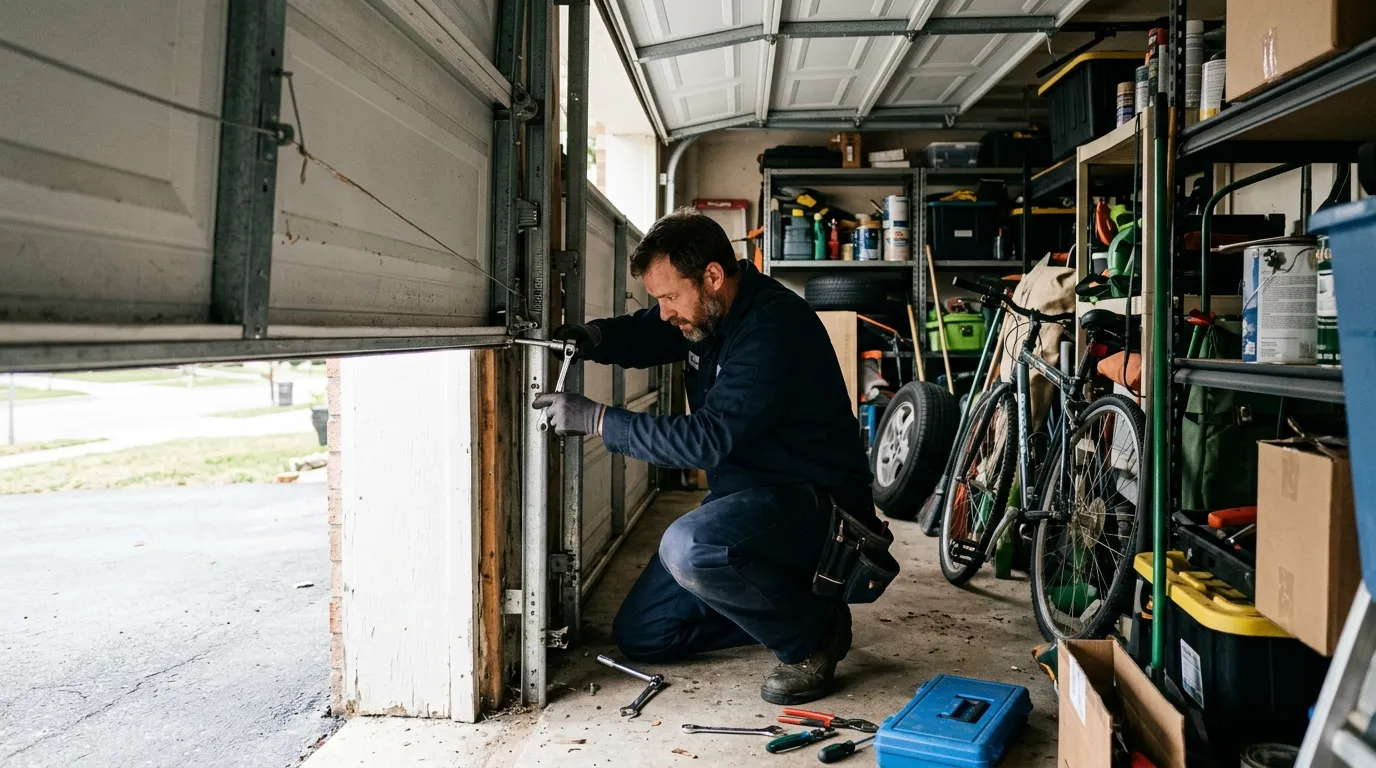
Homes from the 1938 era, if they have an attached or detached garage from that period, often started with no opener at all - just a hand-lifted door on hinges or an early track system added afterward. What we find in practice is a mix: some openings retrofitted decades ago with extension-spring hardware and low headroom, some later reworked with a standard torsion setup that doesn't quite fit the original framing.
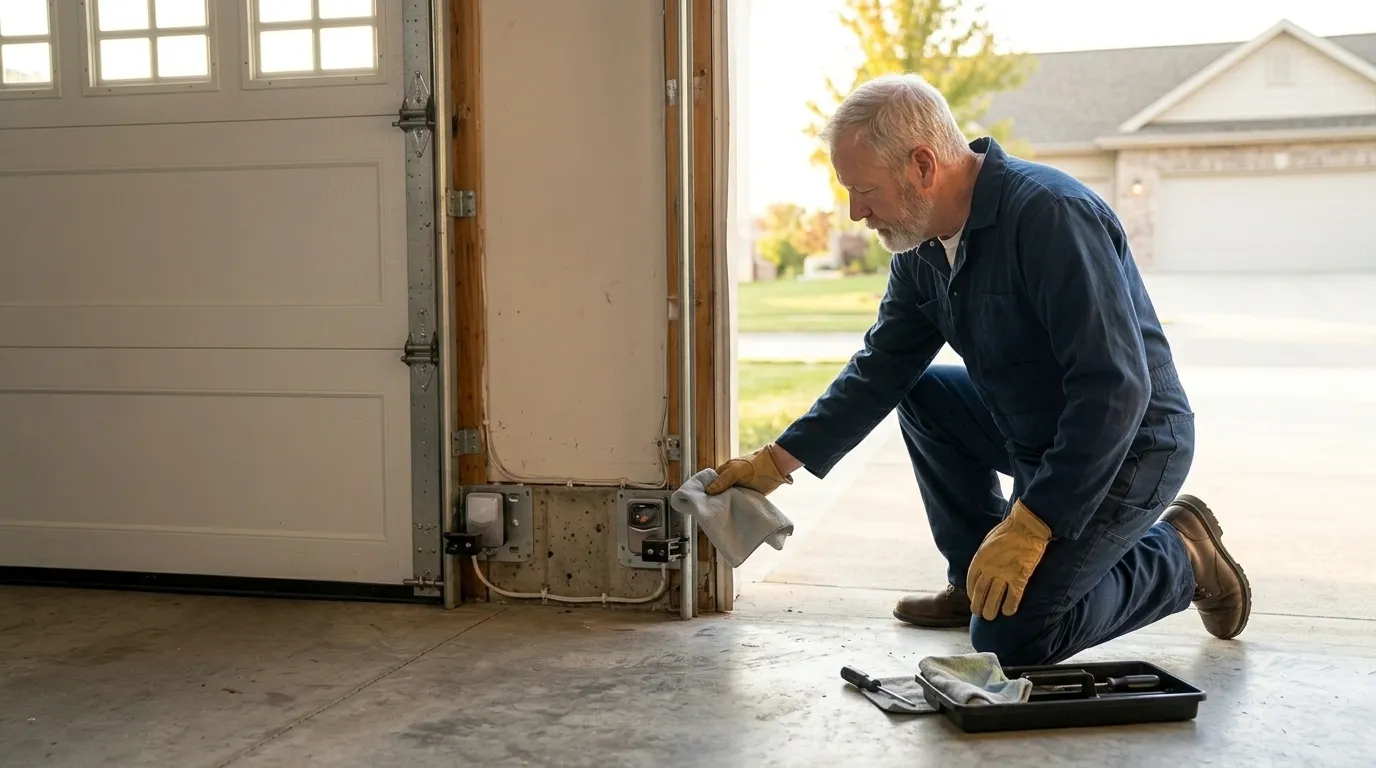
Extension springs on older openings are a real safety consideration if there's no secondary containment cable running through them - that's something we check on any door of this vintage before we touch anything else. Low headroom also limits which openers and which spring configurations will physically fit, which narrows the options compared to a garage built in 1985 with eight feet of clearance above the door.
None of this means an older door is a lost cause. It means the diagnosis takes longer, and it means we're not walking in with a one-size answer built around what works on a newer street.
What We Do Not Do
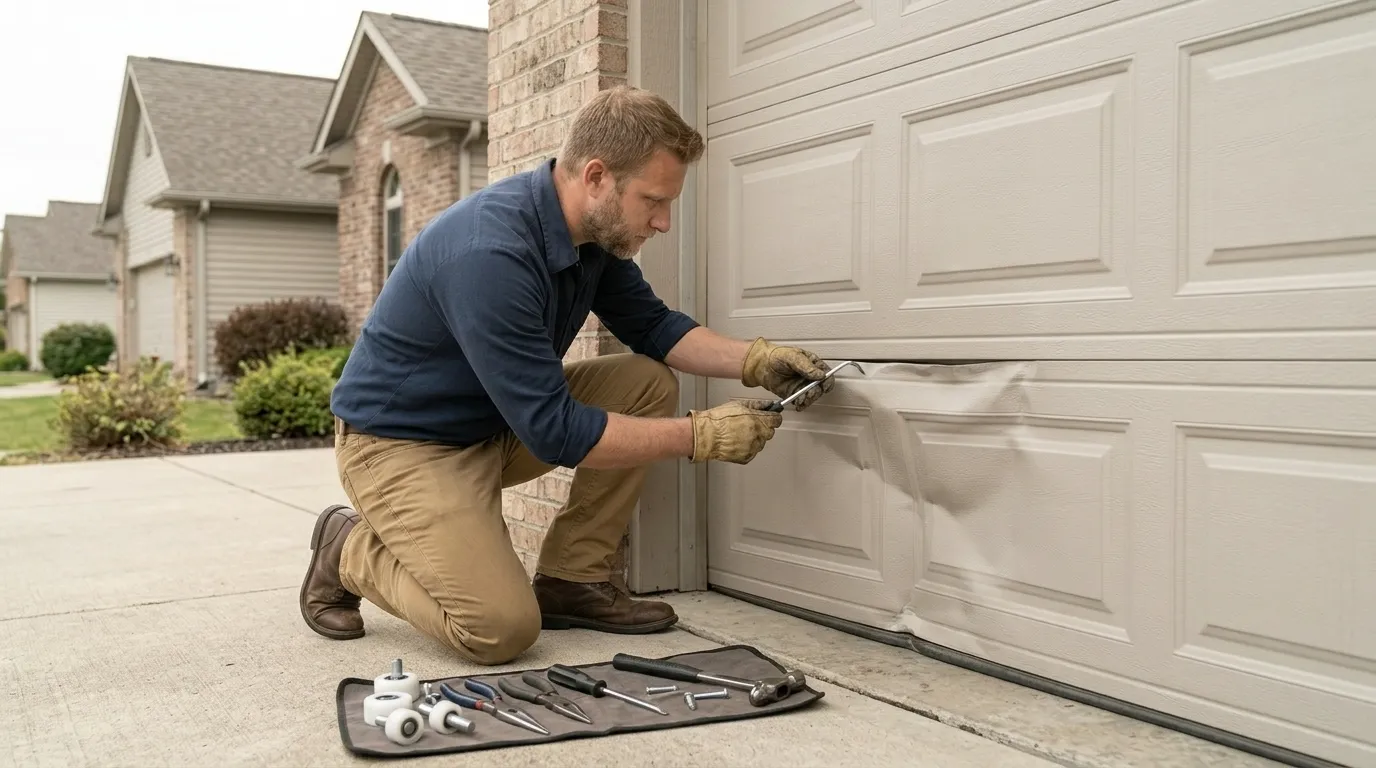
We don't keep a depot or a truck staged in Silverado - every job here is a trip out from Dana Point, 19 miles each way, and that means Silverado calls get scheduled with that drive in mind rather than treated as a quick add-on between closer jobs. We also don't carry an unlimited stock of parts for pre-war era hardware; some older spring configurations and obsolete track hardware take longer to source than a standard torsion spring for a 1990s door, and we'll tell you upfront if a part needs to be ordered rather than pretending it's on the truck.
We don't push full door replacement as the default fix on an older home just because the door looks its age - plenty of these openings are structurally sound and worth repairing. And we don't do cosmetic-only work that ignores a safety issue underneath it, like a worn cable or a missing spring containment system; if we find that, we'll flag it even if it wasn't what you called about.