Older vs Newer Streets
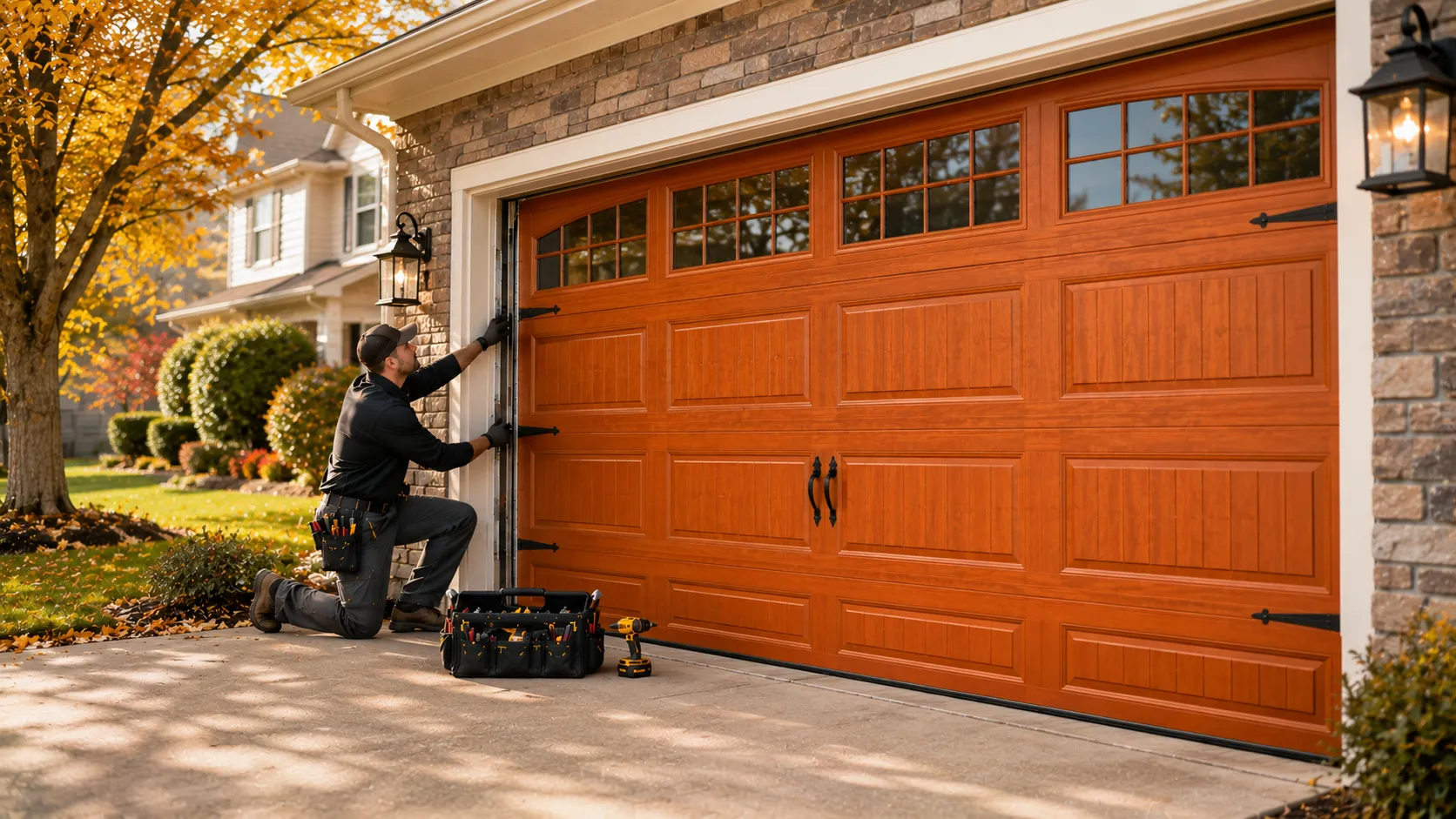
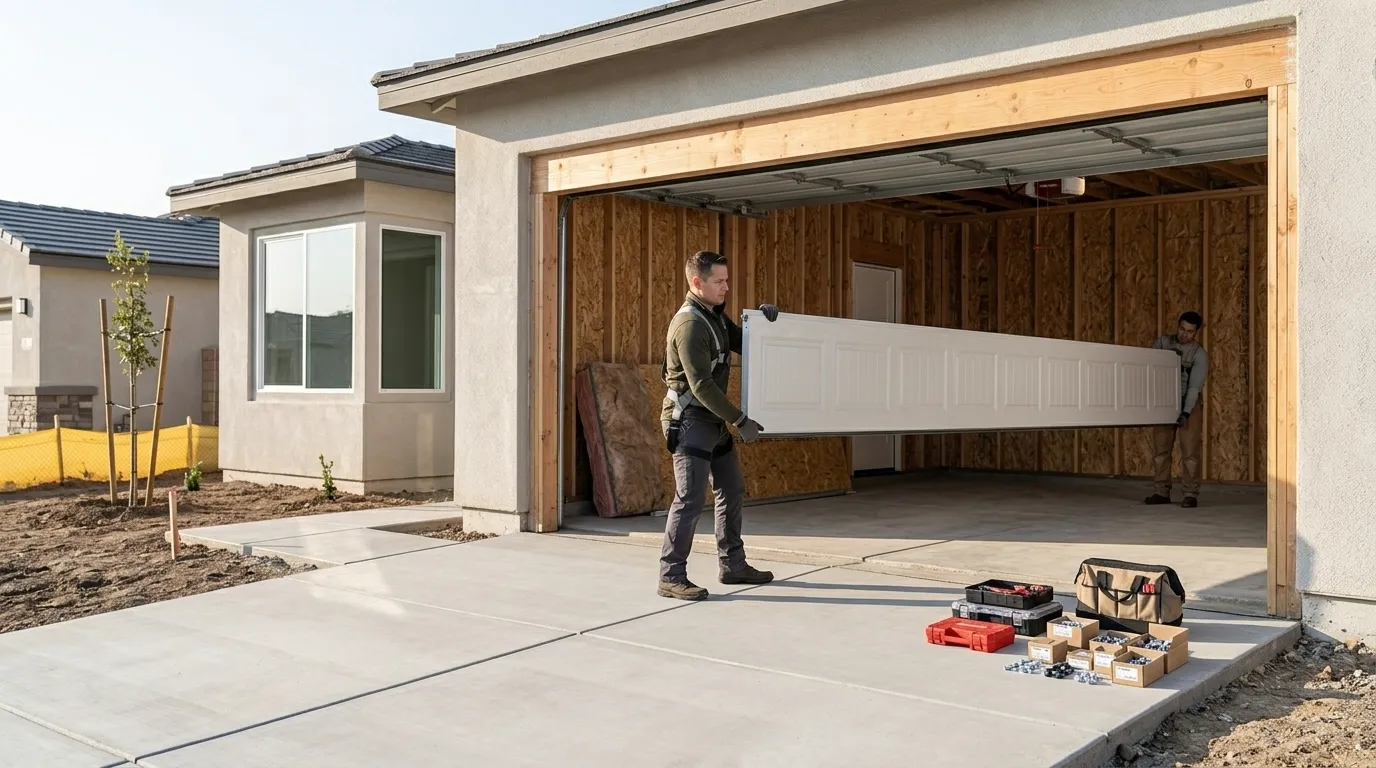
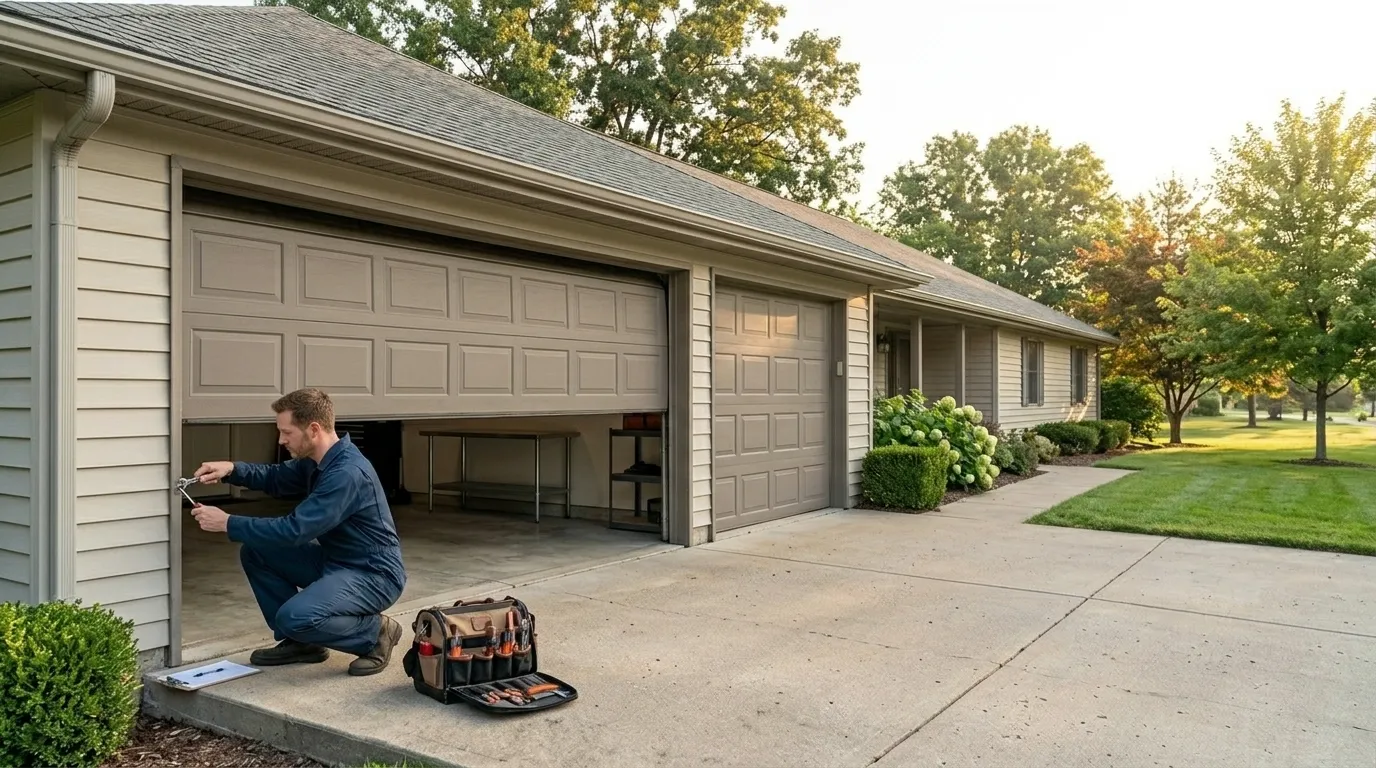
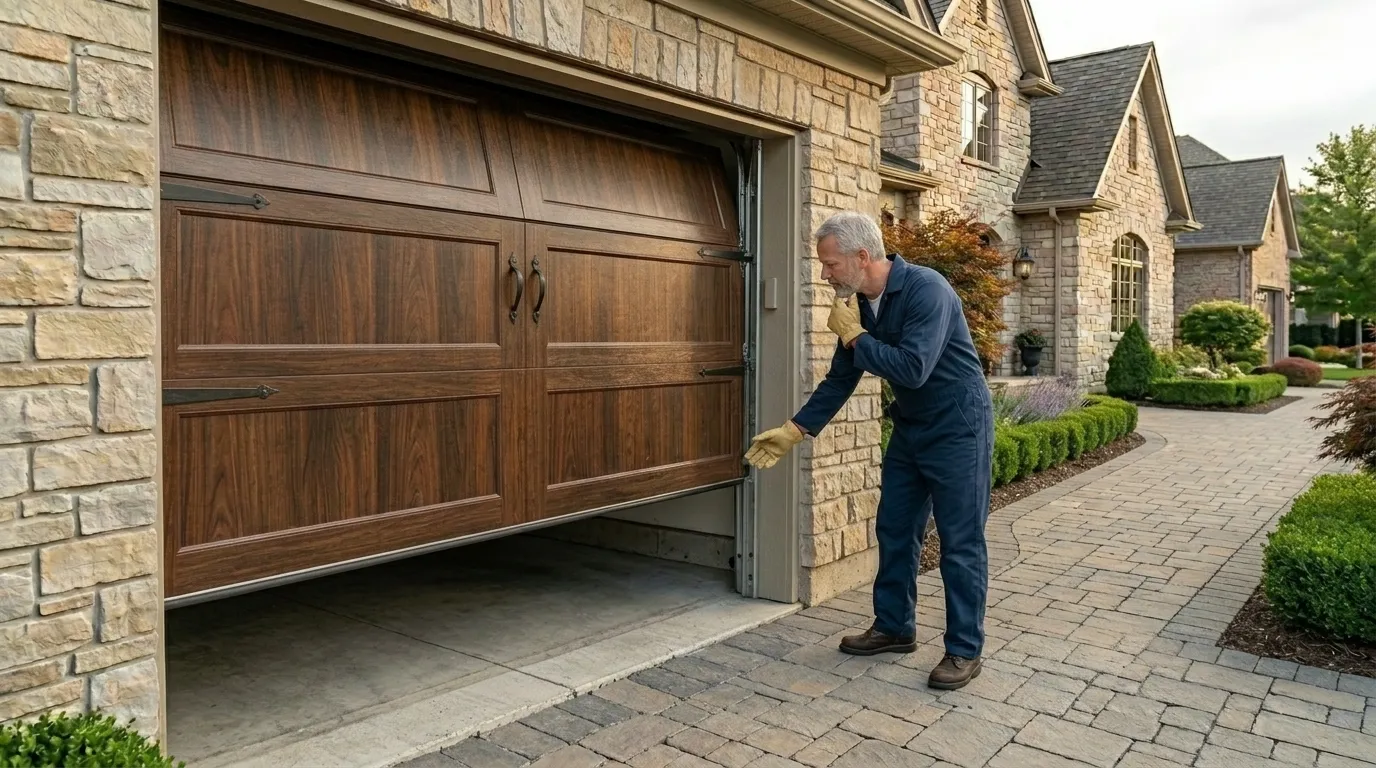
San Juan Capistrano's housing stock centers on 1979 as the median build year, a few years ahead of the 1982 median across Dana Point Garage Door Co.'s wider coverage area. That doesn't sound like much of a gap, but it puts a good share of this town's garage doors right at the edge of a hardware generation. Across the ten communities we work in, the bulk of homes went up through the 1980s and 90s, with the full span running from 1938 to 2015. San Juan Capistrano sits on the earlier side of that curve. Streets built in the late 1970s tend to carry the original garage structure even after a remodel, because swapping out a door opening usually means dealing with the header and track mounts as they were framed then, not as they'd be framed today. Newer infill lots and later-phase tracts closer to the 1990s end of that range get different spring counts and heavier doors sized for two-car openings built to later code minimums. When we get a call from this area, the build year tells us more about what's likely wrong than the street address does.
How That Shows Up in the Door
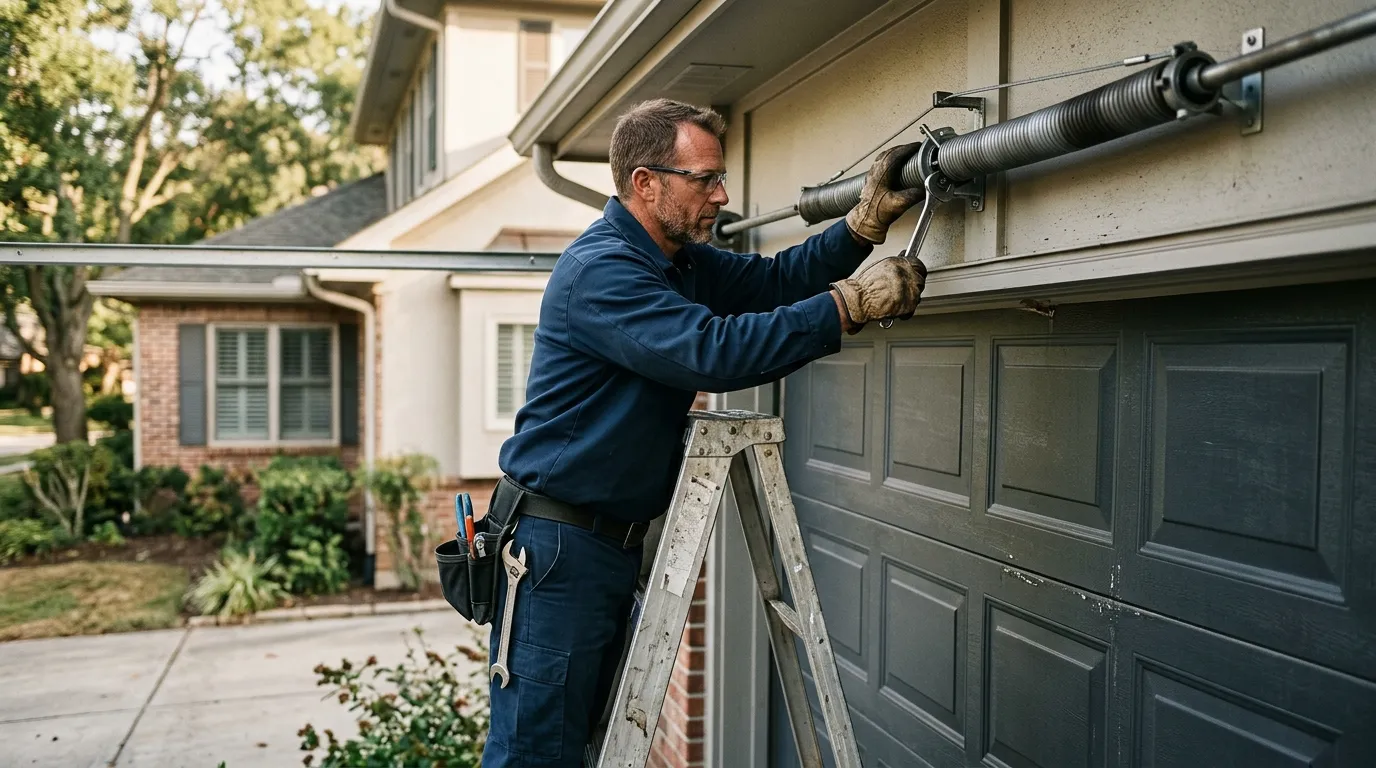
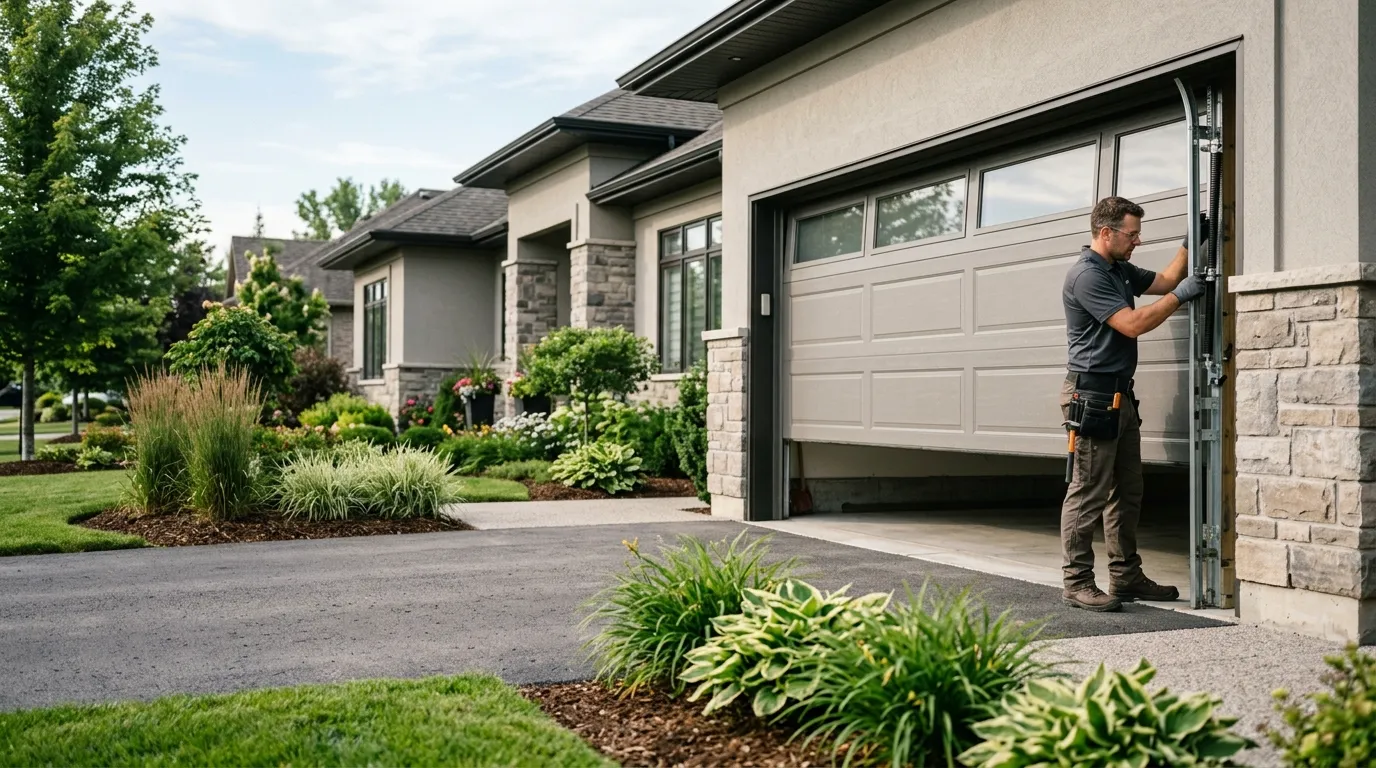
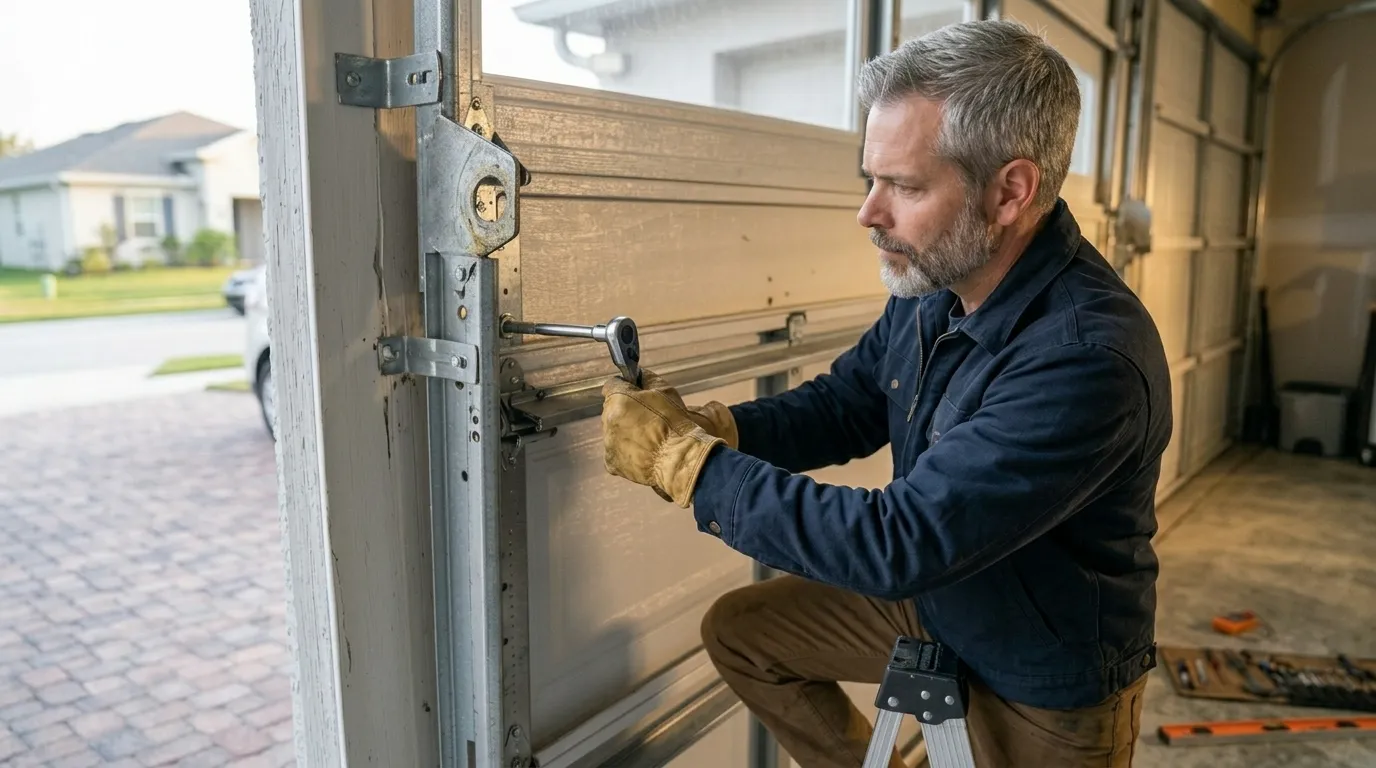
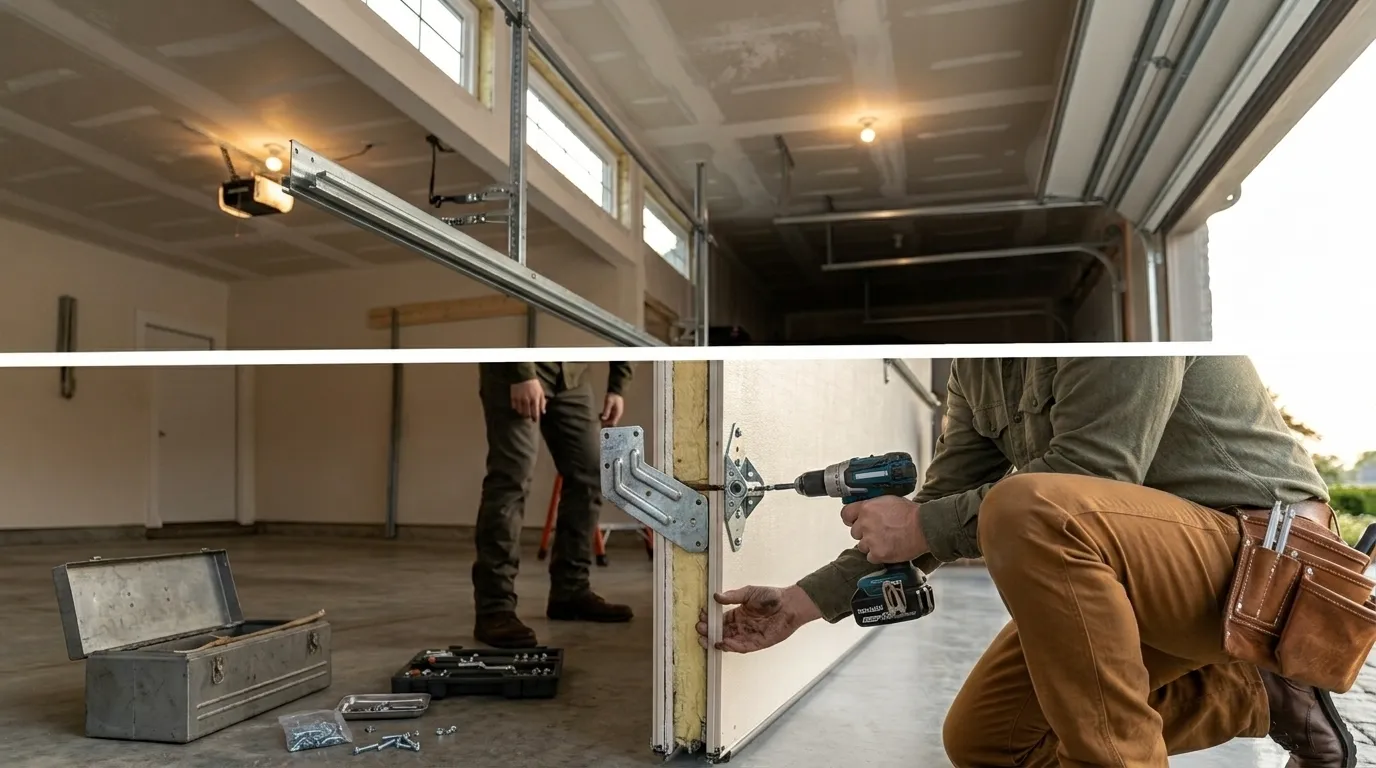
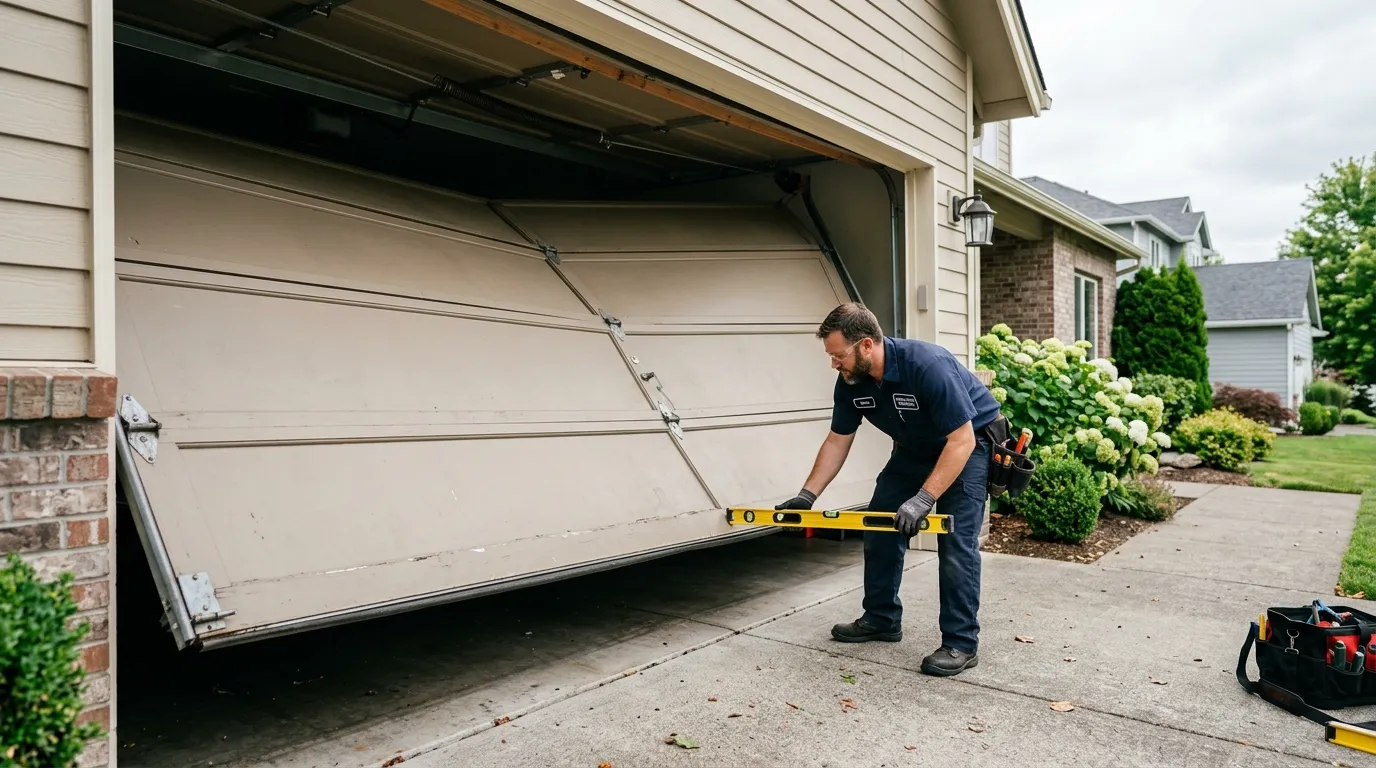
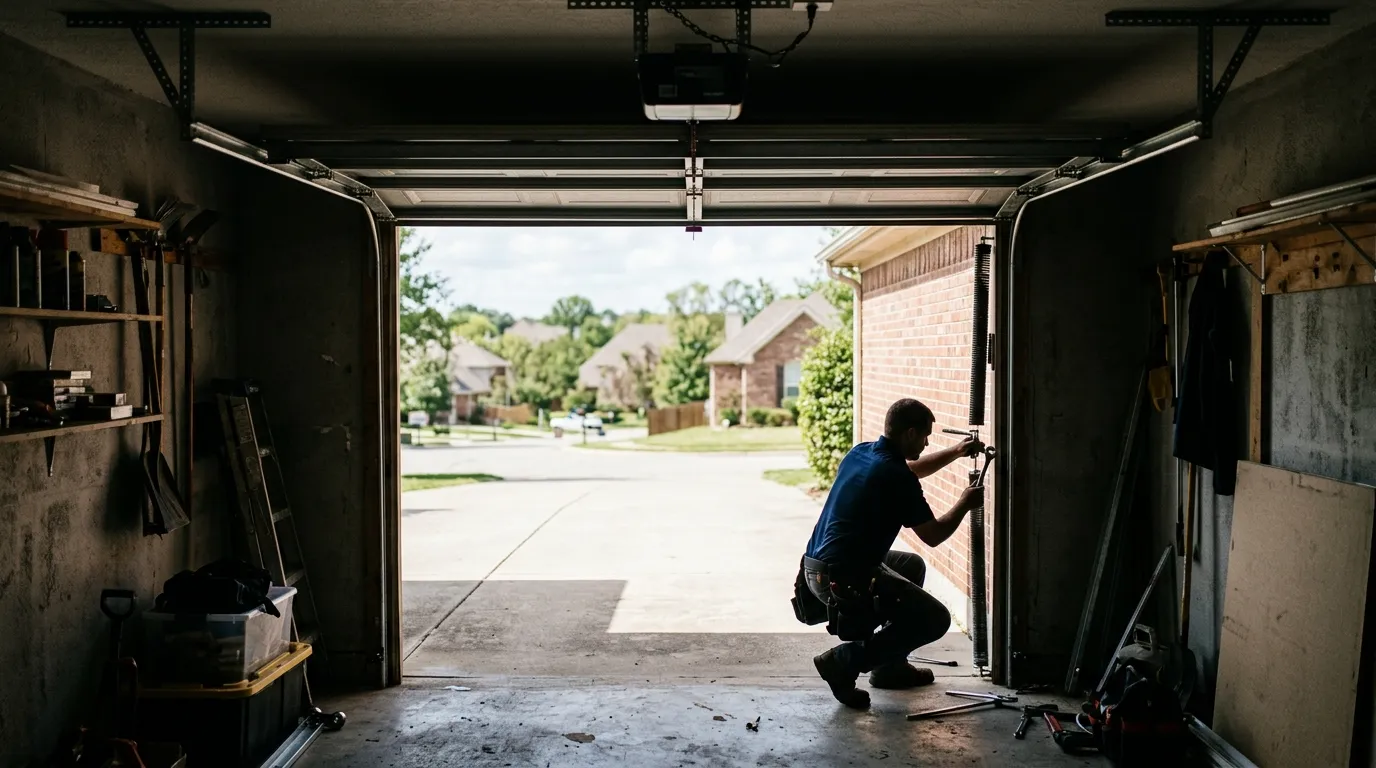
A door installed around 1979 was almost always paired with a torsion spring wound for a lighter, non-insulated steel panel. Decades on, those springs are well past a normal cycle count, and the drums and end bearings that came with them are worn to match. We see a lot of these systems still running the original extension springs on the side rails rather than a center-mounted torsion setup, which changes how a failure presents - a snapped cable here is more often a frayed side cable than a broken torsion spring. Openers from this era, where they haven't already been swapped once, are chain-drive units with worn sprockets and gear sets that strip rather than jam. None of this is a defect of the neighborhood; it's just what a door looks like after 45 years without a full swap. Newer stock in the same service area, built closer to the 1990s, generally carries a center torsion spring and steel rail track from the start, so the common failure there is a spring reaching end of life on schedule rather than side hardware that was undersized to begin with.
What We Do Not Do
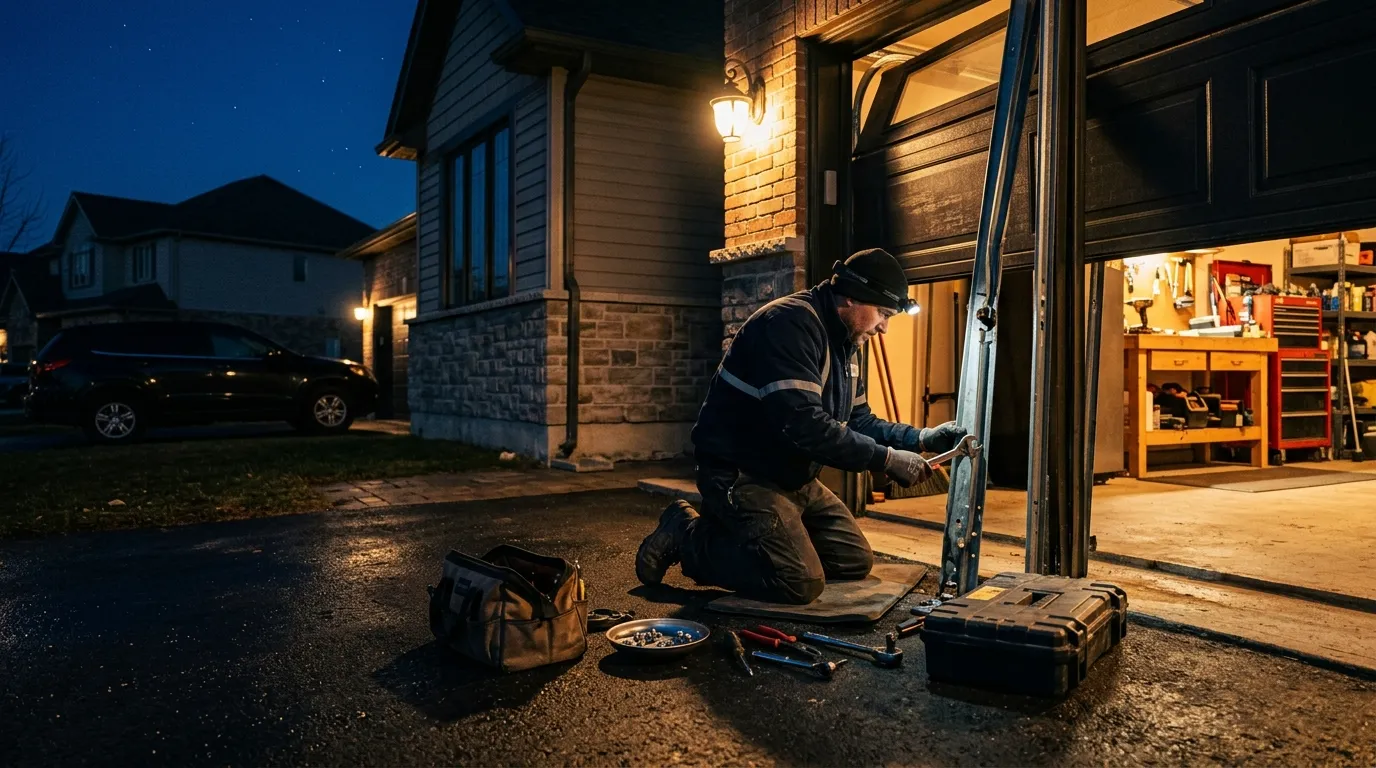
We don't keep a depot or drop-off counter in San Juan Capistrano - every job here is a truck coming from our Dana Point base, 3 miles away, and that's true whether it's a same-day spring call or a scheduled opener swap. We also don't stock every side-mount extension spring size that a 1979-built door might need on the truck; those parts aren't the common item anymore, and on some jobs we have to order the exact bracket or drum before we can finish, which means a return trip. If a door from that era has a bent track, a cracked panel, and a dead opener all at once, we'll tell you straight that a full replacement is the better spend than three separate repairs stacked on top of each other. We don't do cosmetic-only panel touch-ups on doors that are structurally at the end of their life just to avoid quoting a replacement - it's not a good use of your money and we'll say so.