Booking
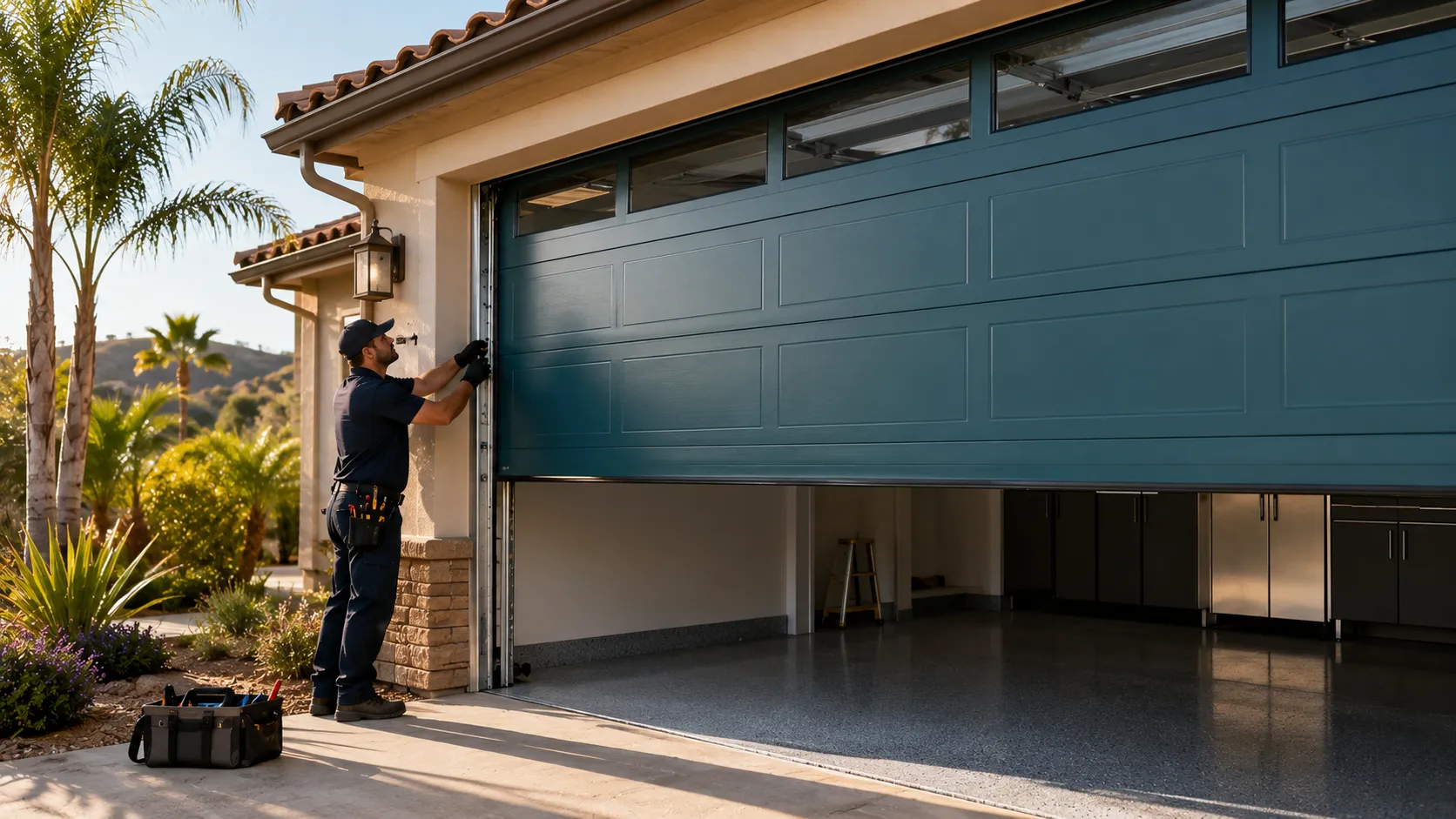
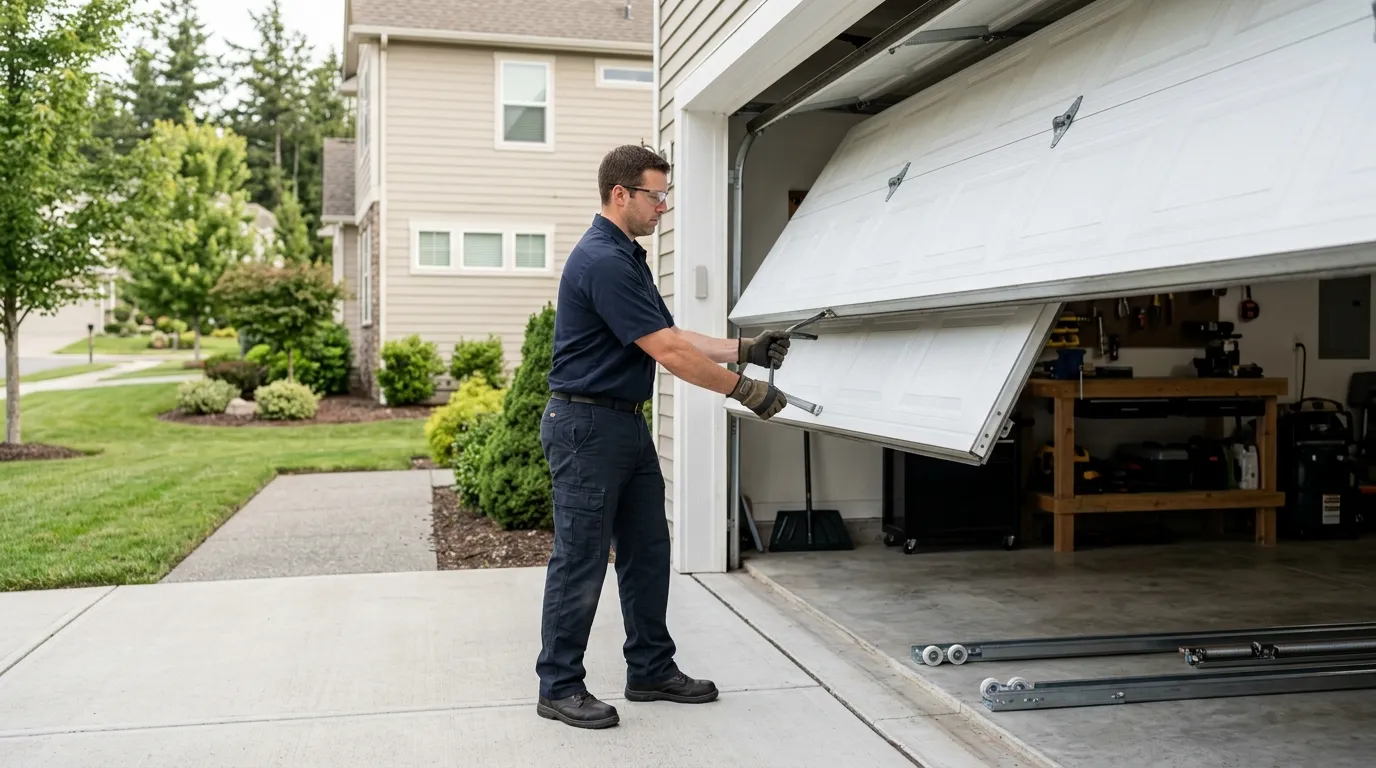
We run jobs out to Rancho San Clemente from our shop, about six miles east-southeast of Dana Point. That's a short run, so scheduling a spring replacement or an opener swap doesn't mean waiting on a truck that's crossing half the county first. Call and tell us what the door is doing - grinding, off track, dead opener - and we'll get a time on the books.
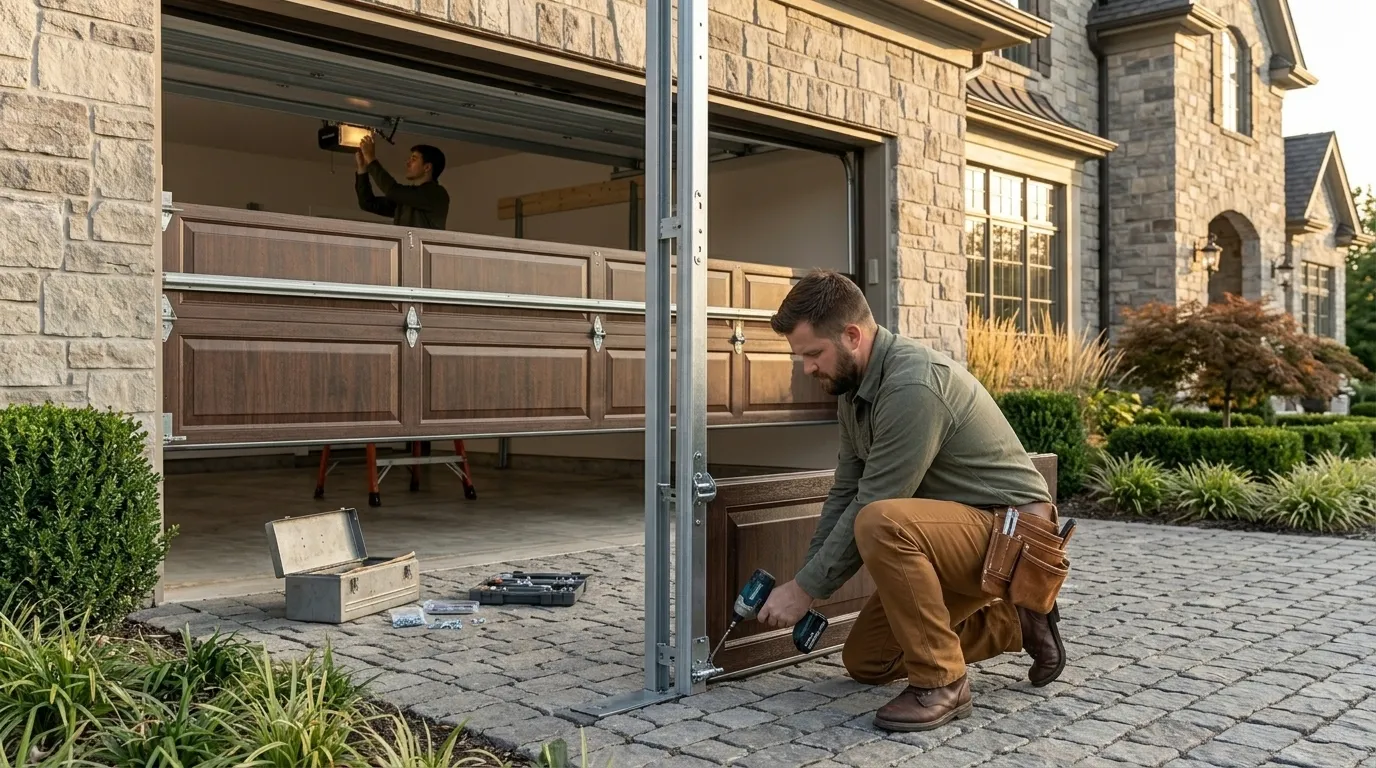
One thing we're upfront about: if a part on your door needs to be special-ordered (some older opener boards and certain torsion springs don't sit on the truck), that adds a day or two. We'd rather tell you that up front than promise a same-day fix we can't back.
We don't do new construction installs or commercial roll-up doors in this neighborhood - this is a residential repair and replacement operation, and that's where we keep our focus.
What Is on These Garages
Across the service area, housing runs from 1938 up through 2015, with a median build year of 1982 - and most of the ten named communities we work in, this pocket included, are dominated by that 1980s-90s wave of construction. That build era is a specific one for garage doors: it's when steel sectional doors with torsion springs mounted on a center shaft became standard, replacing the older extension-spring setups from earlier decades.
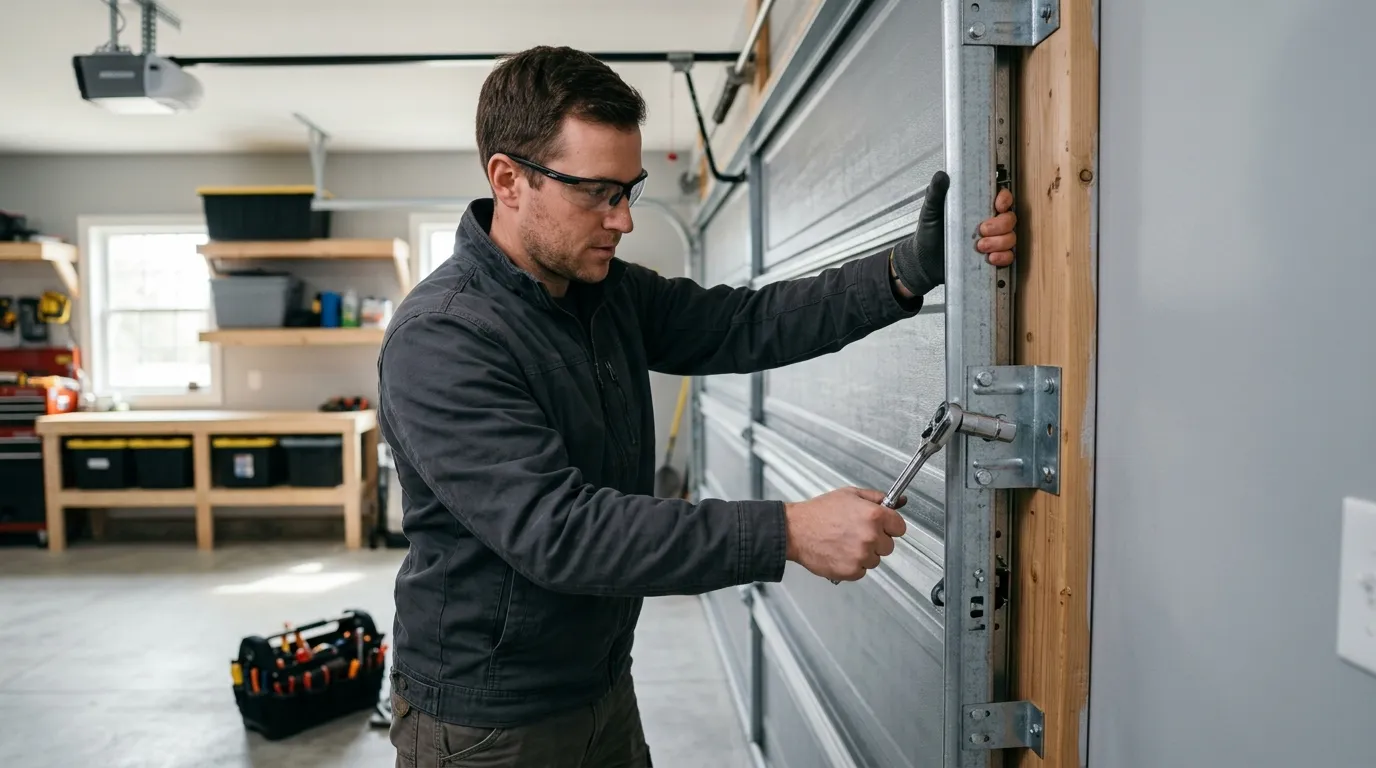
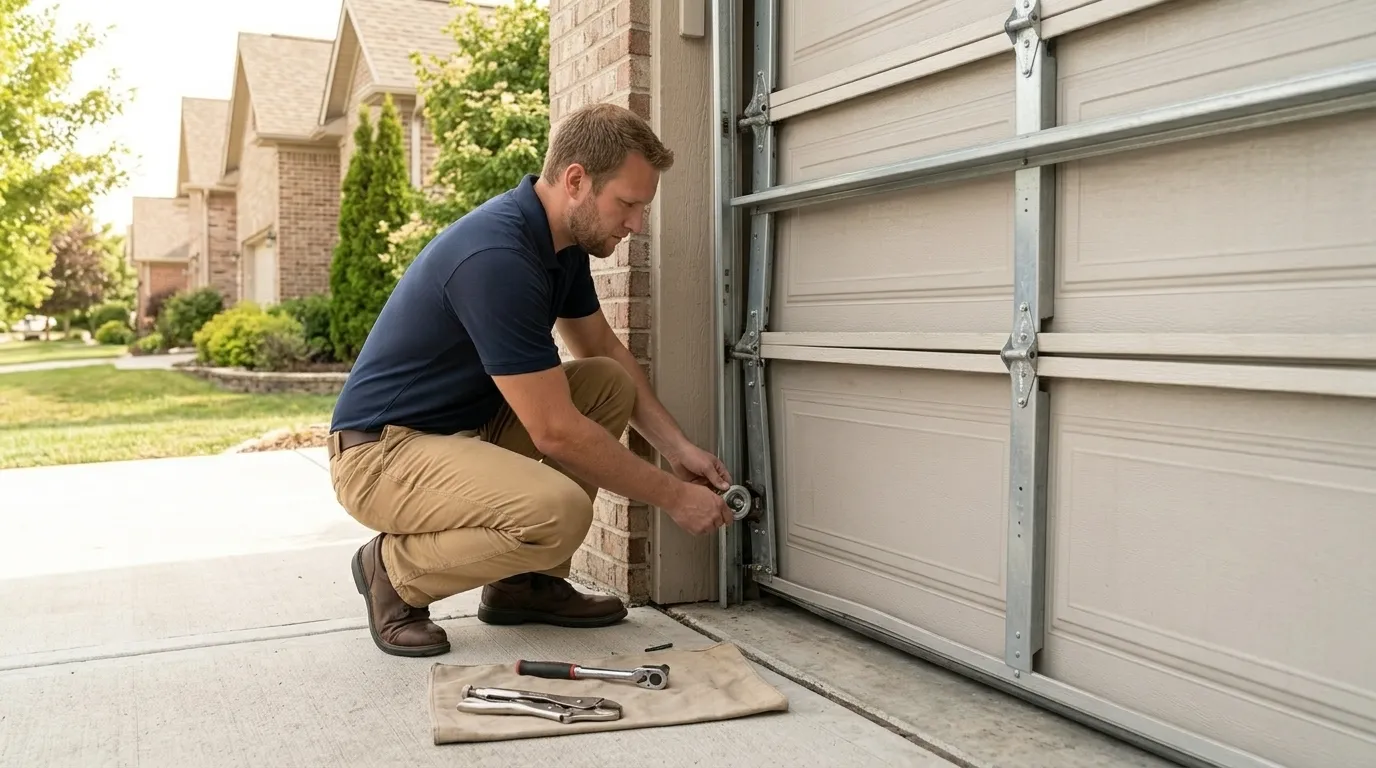
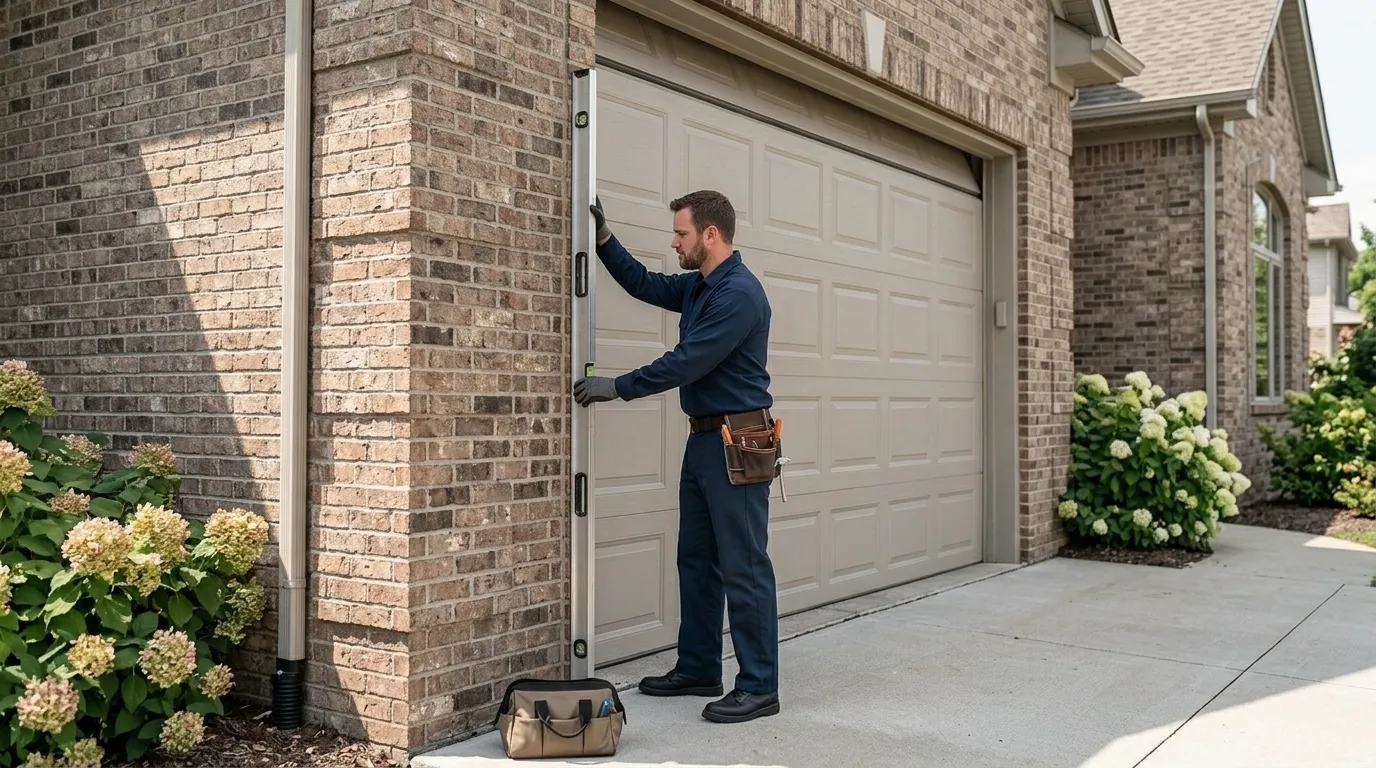
What that means on a service call: these are mostly double-wide garages with steel doors somewhere between original and one or two replacements deep, openers that are often on their second or third motor, and torsion hardware that's usually standard-size and not hard to source. It's a more predictable job than working on a pre-1960s door, and parts availability is rarely the holdup.
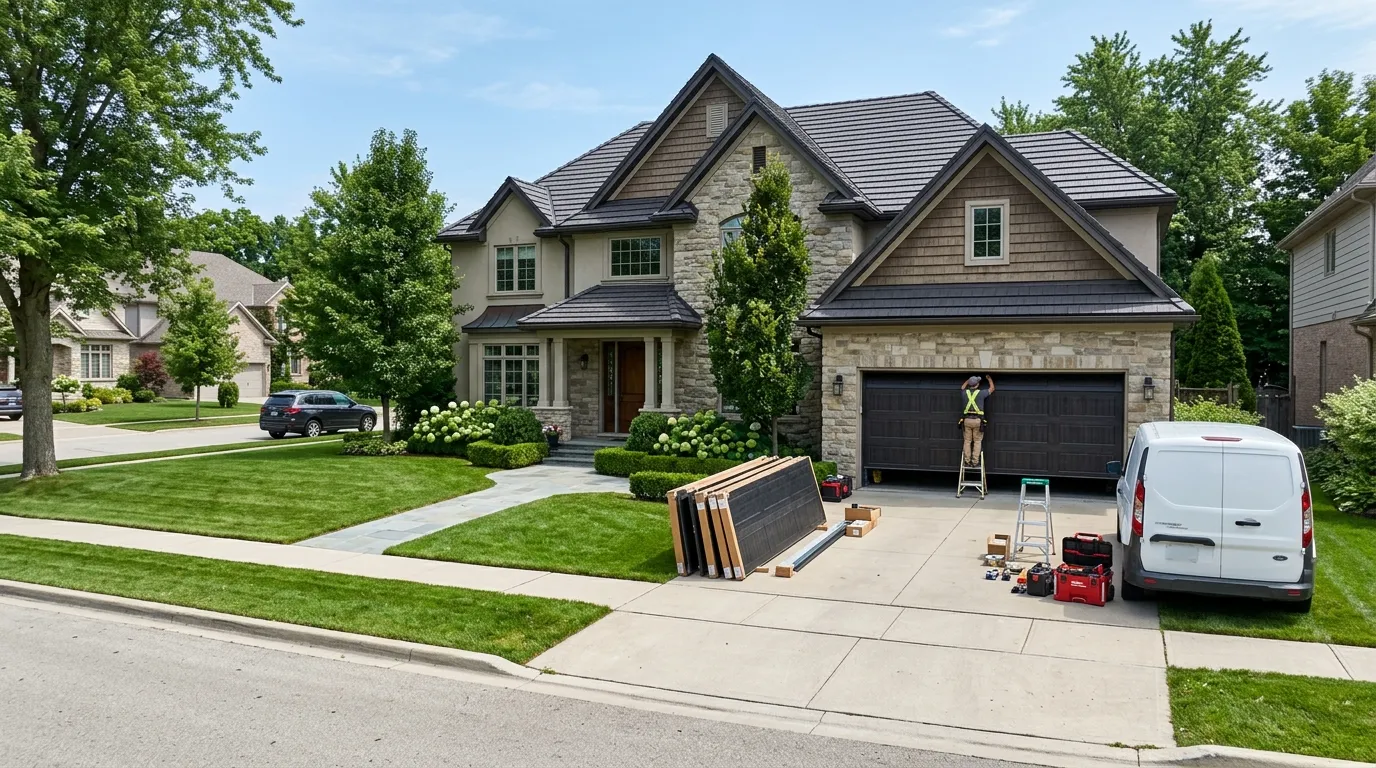
With a median household income of $160,809 across the service area, we see a fair number of owners upgrading from a builder-grade steel door to a heavier insulated panel rather than just patching the one they have - worth mentioning if you're deciding between repair and replacement on a door that's getting old.