What You Pay
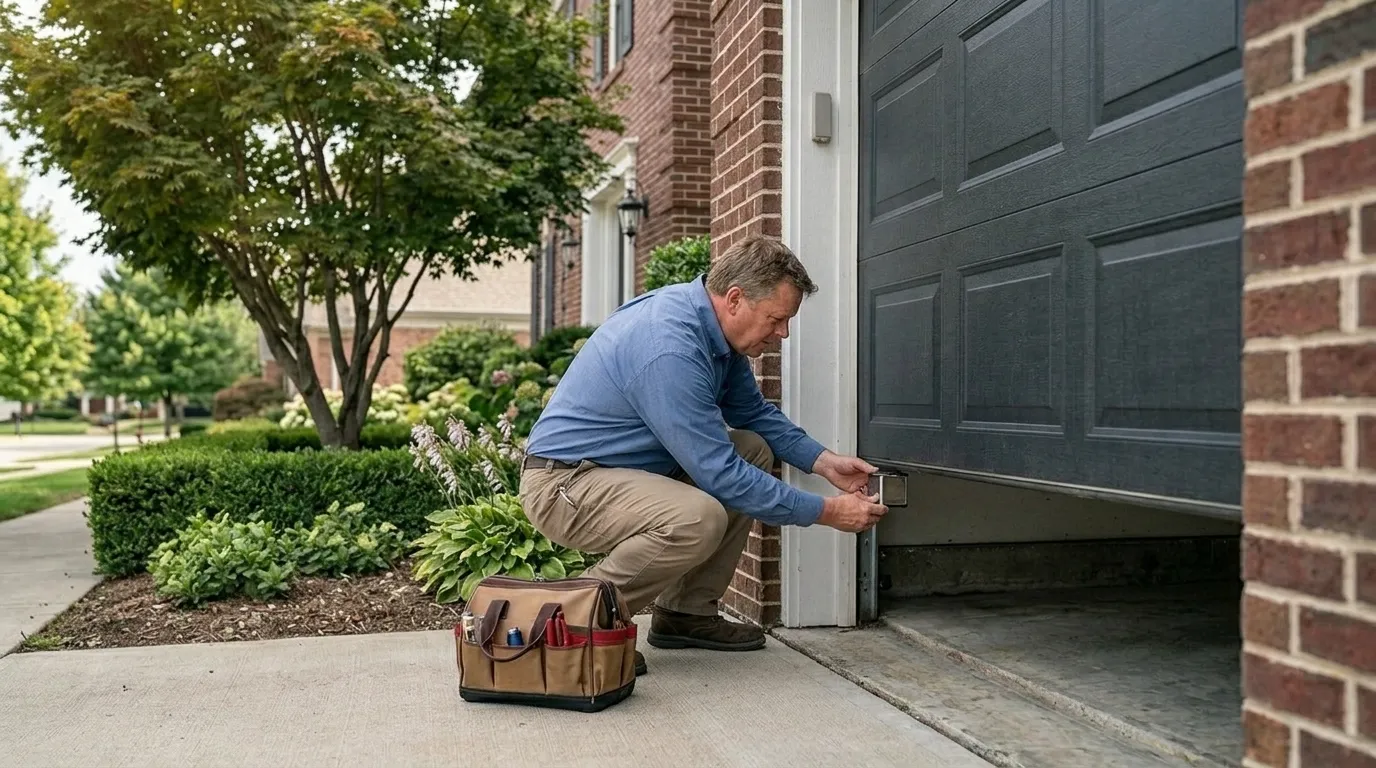
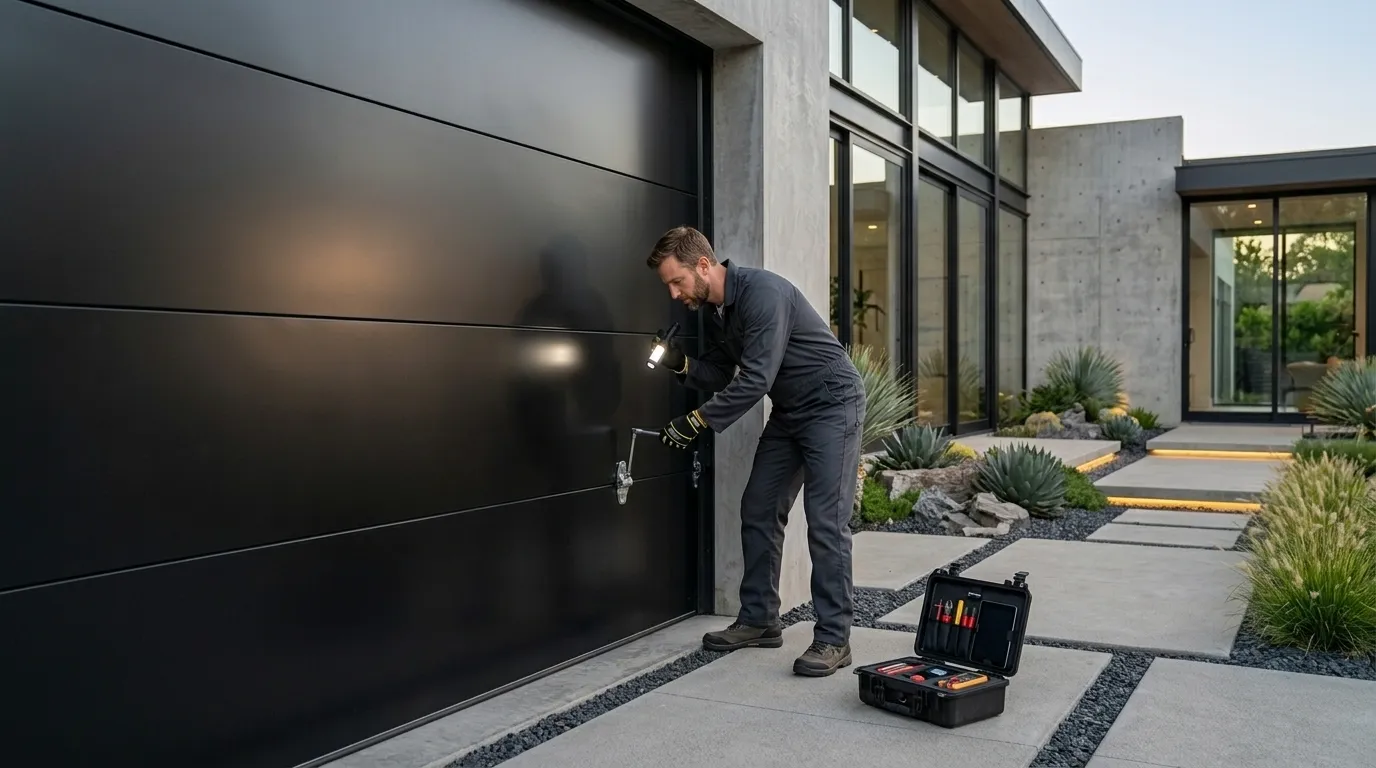
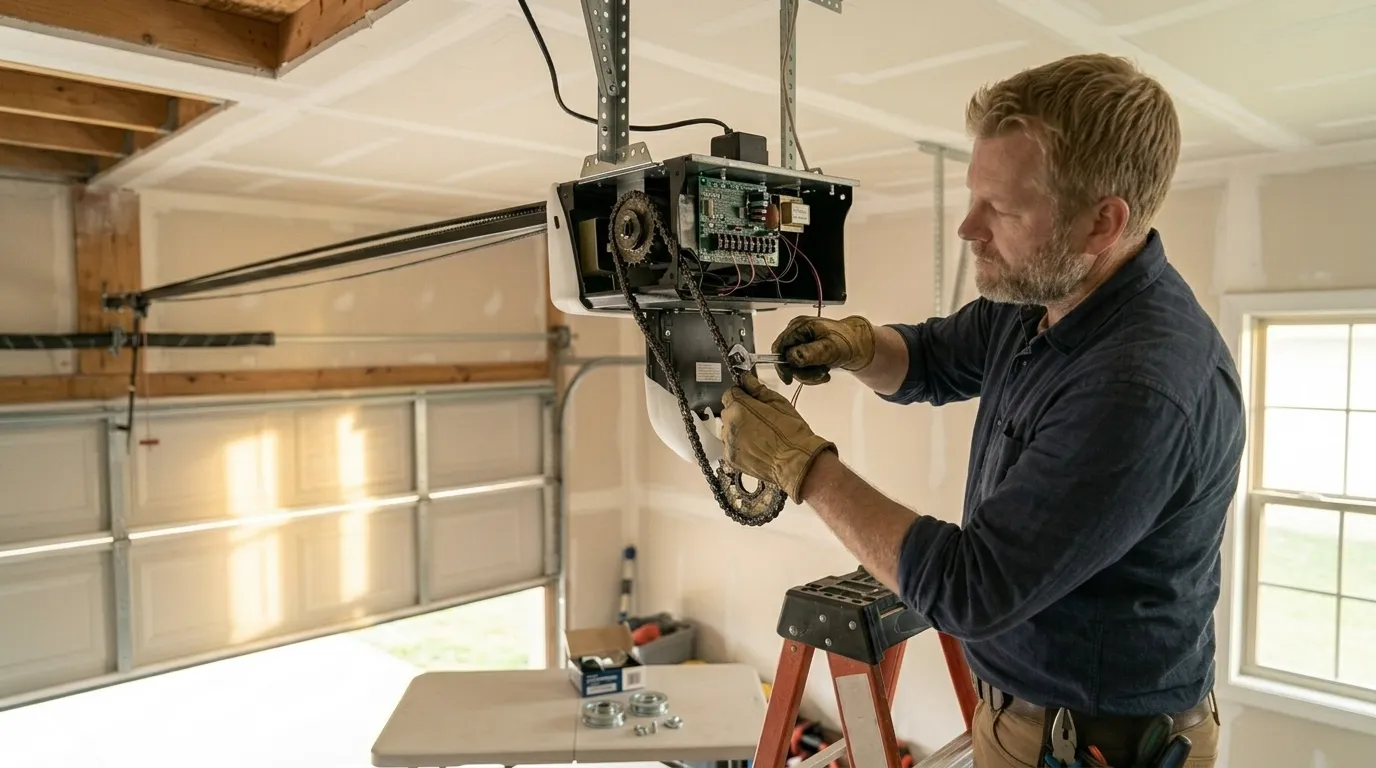
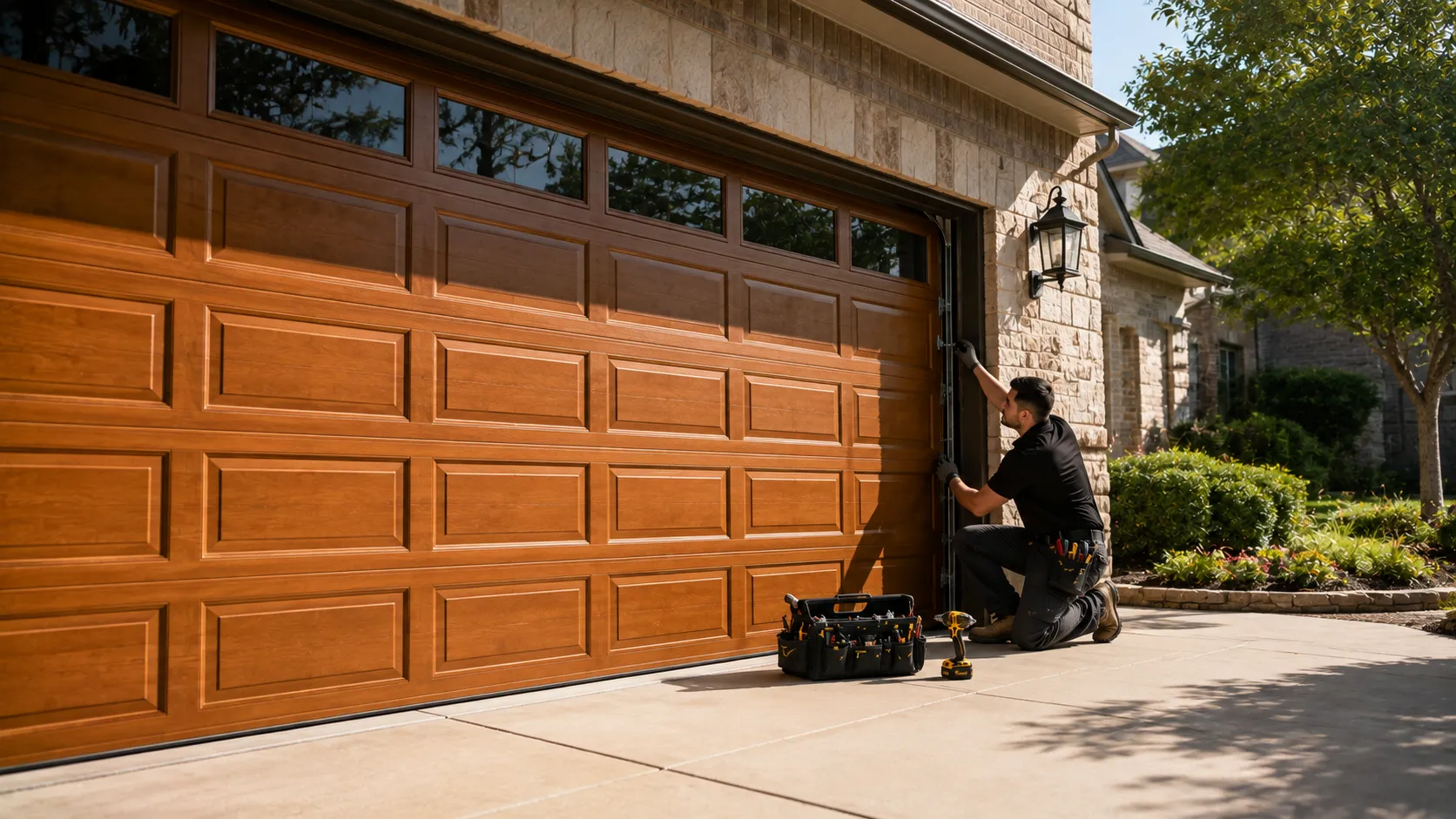
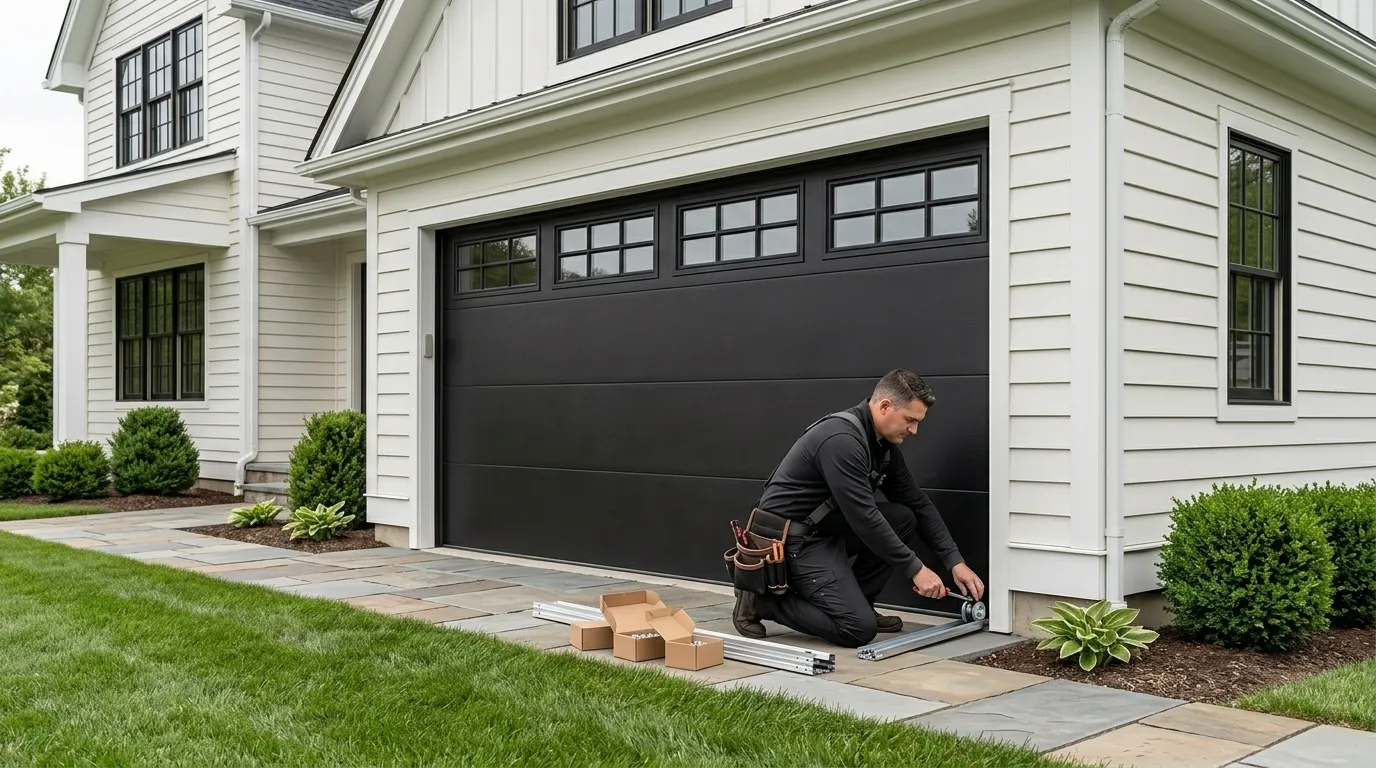
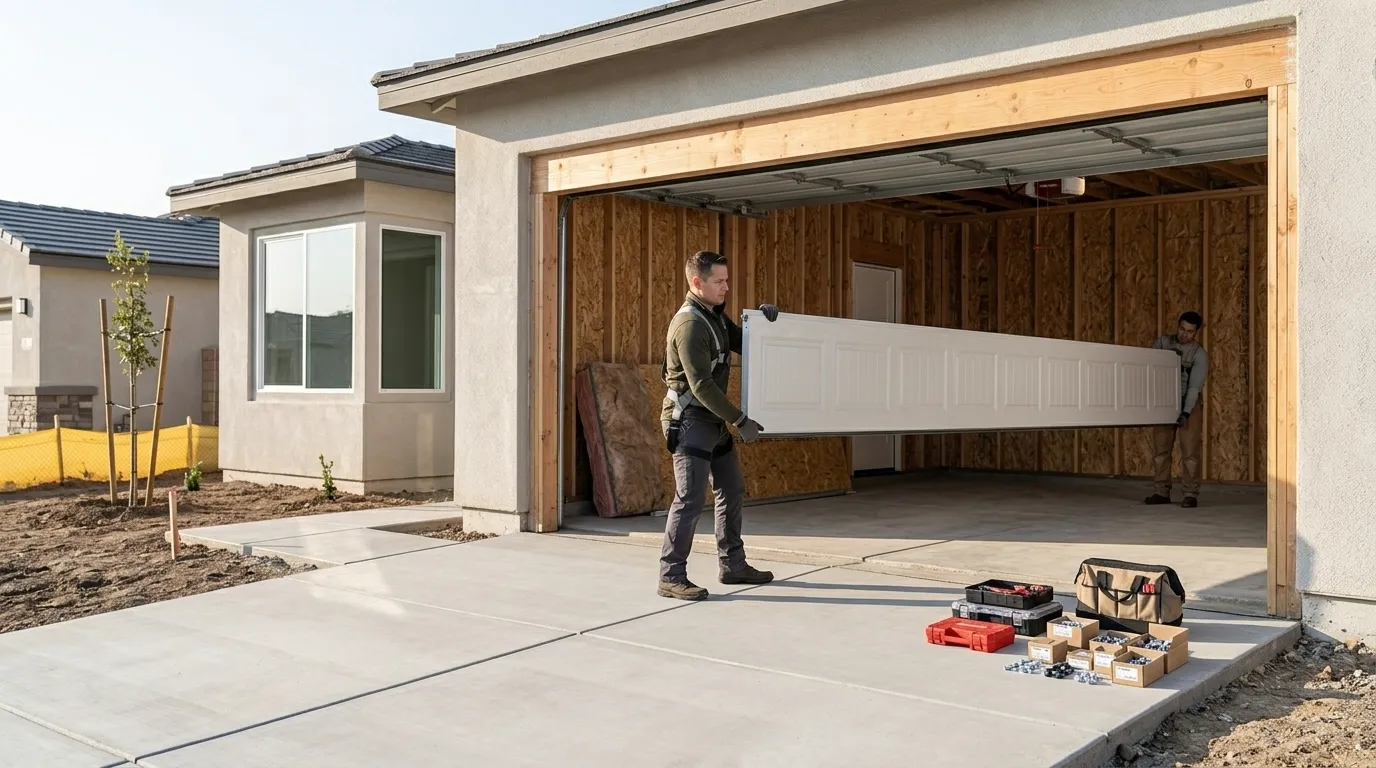
We don't post a flat number for a service call because what's wrong with your door decides that, not a price sheet. A tune-up runs different from a torsion spring swap on a double door, and both run different from a full opener replacement. What we can tell you is what drives the cost here: the age of the hardware. Dana Point's housing stock runs from 1938 up through 2015, with a median build year around 1982, so a service call might land on a door that's original to the house or one that's been replaced twice already. Older doors often need parts nobody keeps in a warehouse anymore, which adds a trip or a wait. Newer doors, especially the ones going up in the areas built out in the 80s and 90s, usually take stock parts we already carry on the truck. One honest limitation: if your door and opener are both original from the 1980s, sometimes the labor to keep patching it costs more over a year than replacing the unit outright, and we'll tell you that instead of billing you for a third visit.
Why This Fails Locally
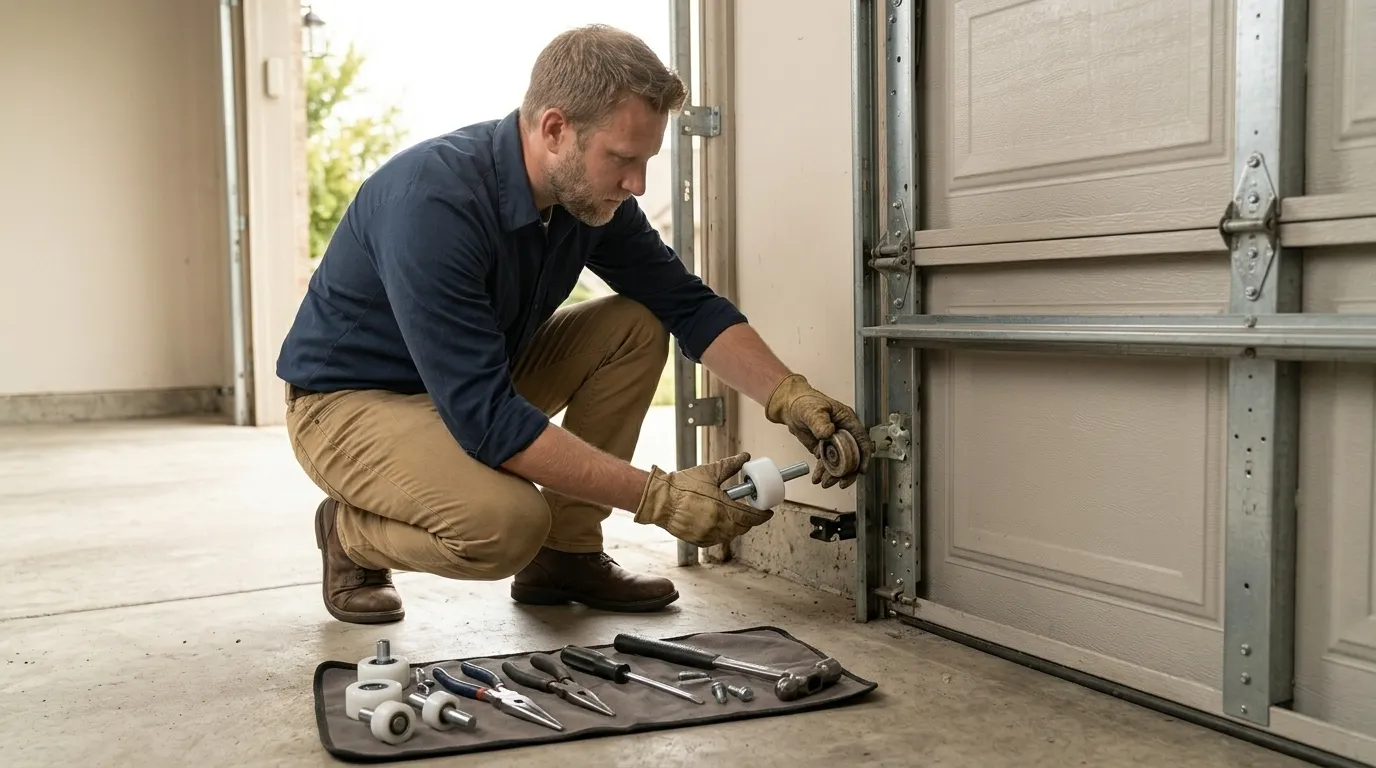
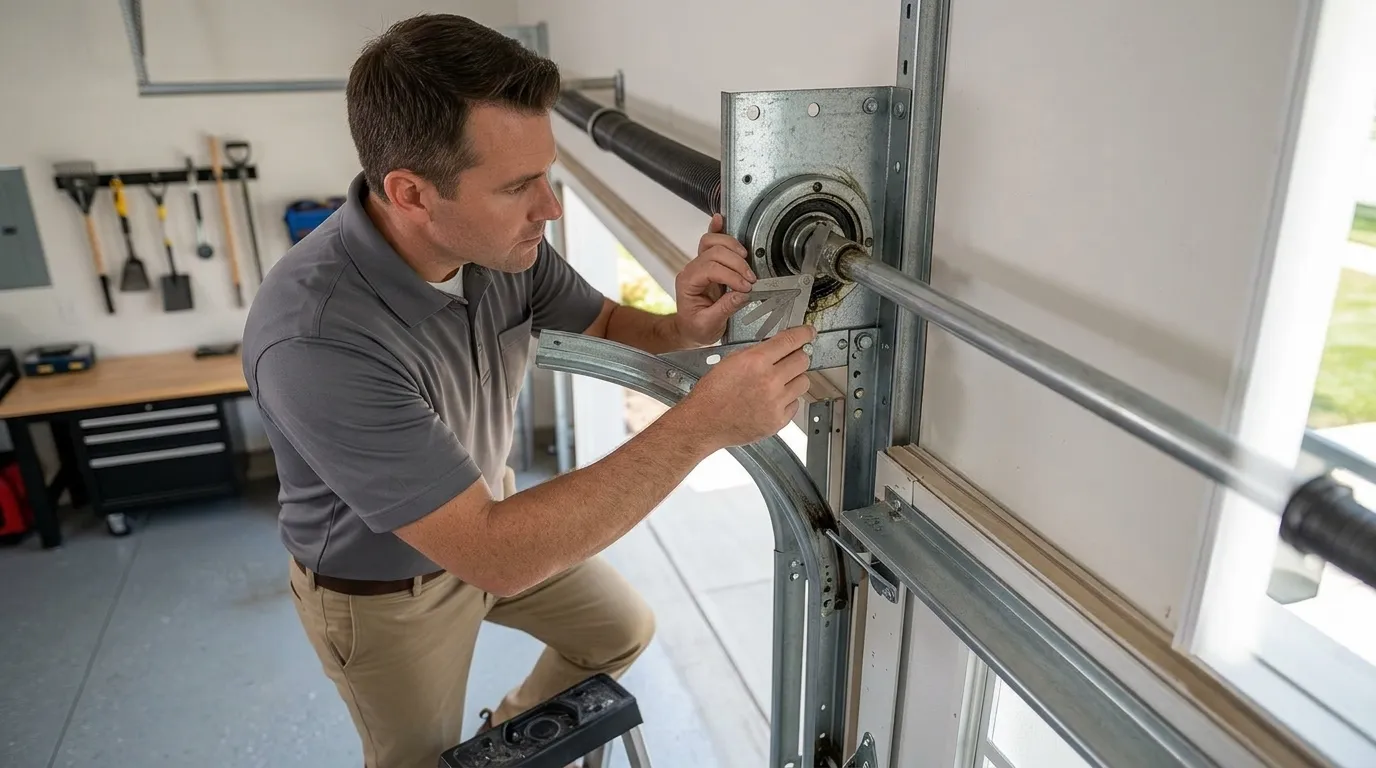
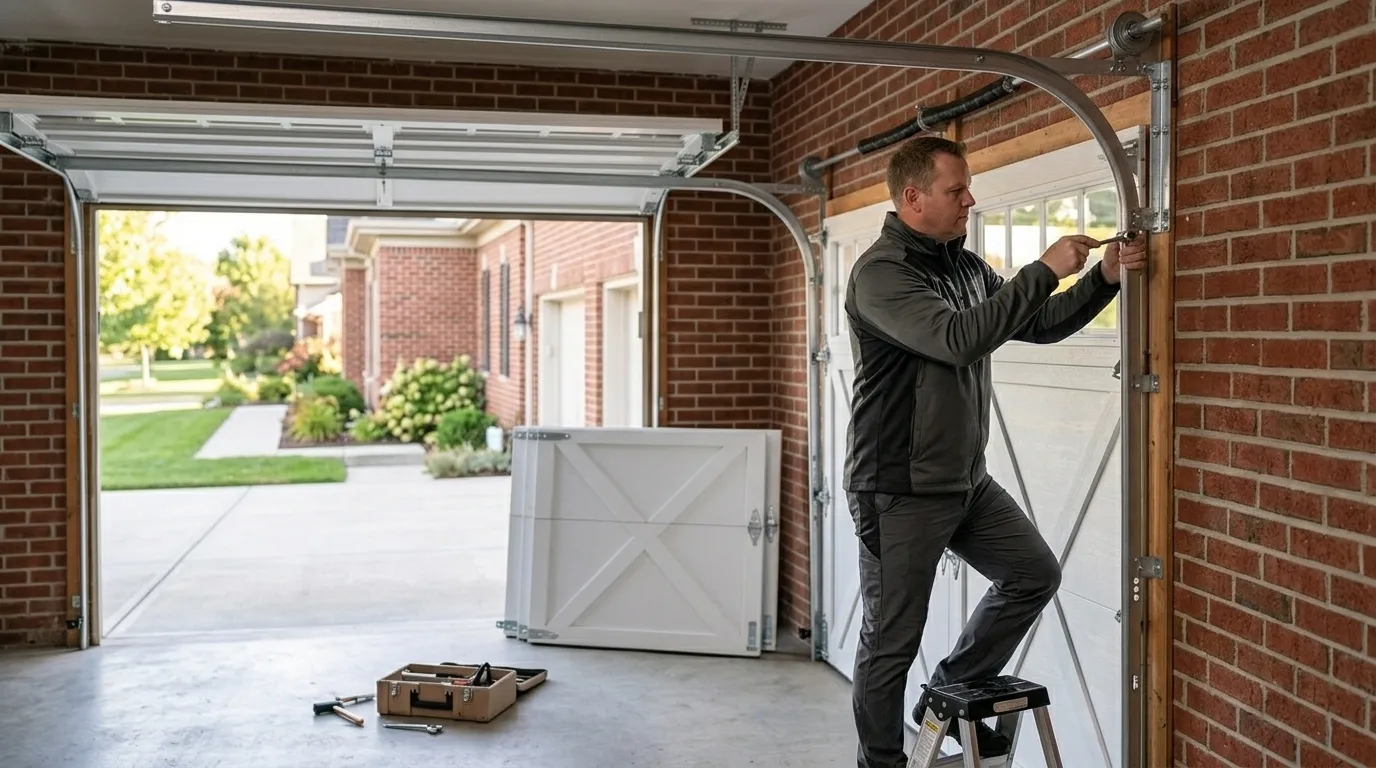
Most of the houses across the ten named areas of Dana Point's service footprint were built in the 1980s and 90s, which means a lot of torsion spring setups that are now thirty to forty years past their install date. Springs are rated for a number of cycles, not a number of years, but in a mild coastal climate band like this one, corrosion isn't the driver it is in places with hard freezes or heavy salt spray inland. What we see instead is fatigue failure: the spring just runs out of cycles quietly, without rust or drama, and it lets go on an ordinary Tuesday. Because the temperature swings here are mild, homeowners often don't think to have the hardware checked the way you would somewhere with harsher winters, so the spring gets ignored until it snaps. The other common failure ties to the same age bracket: nylon rollers on original steel tracks, installed when that was standard, now brittle and cracked from three decades of daily cycles. Neither of these is a Dana Point-specific defect. It's what happens when a large share of the housing stock crosses the same age threshold at roughly the same time, which is exactly the situation here given the 1982 median build year.
What You Are Seeing
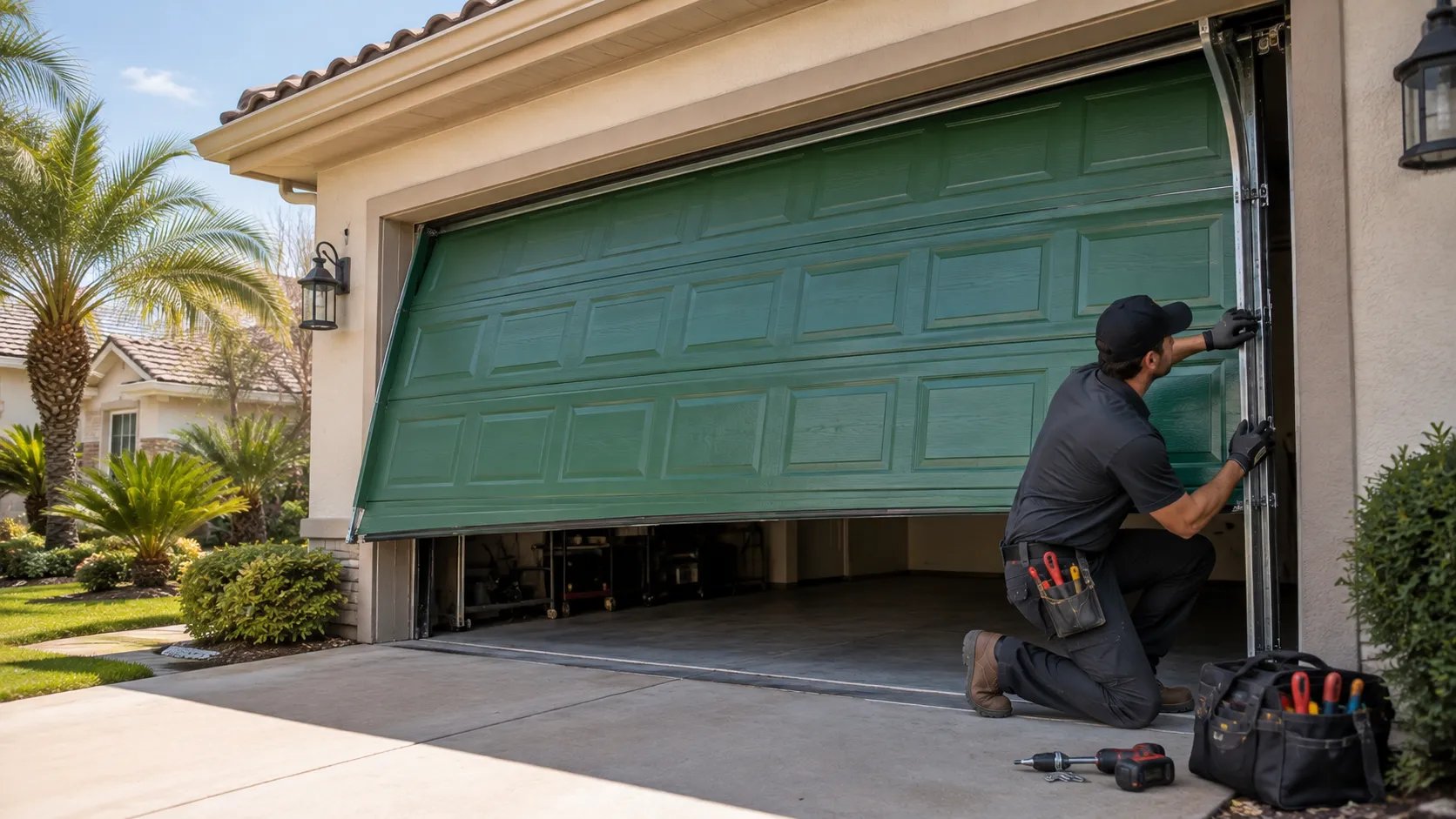
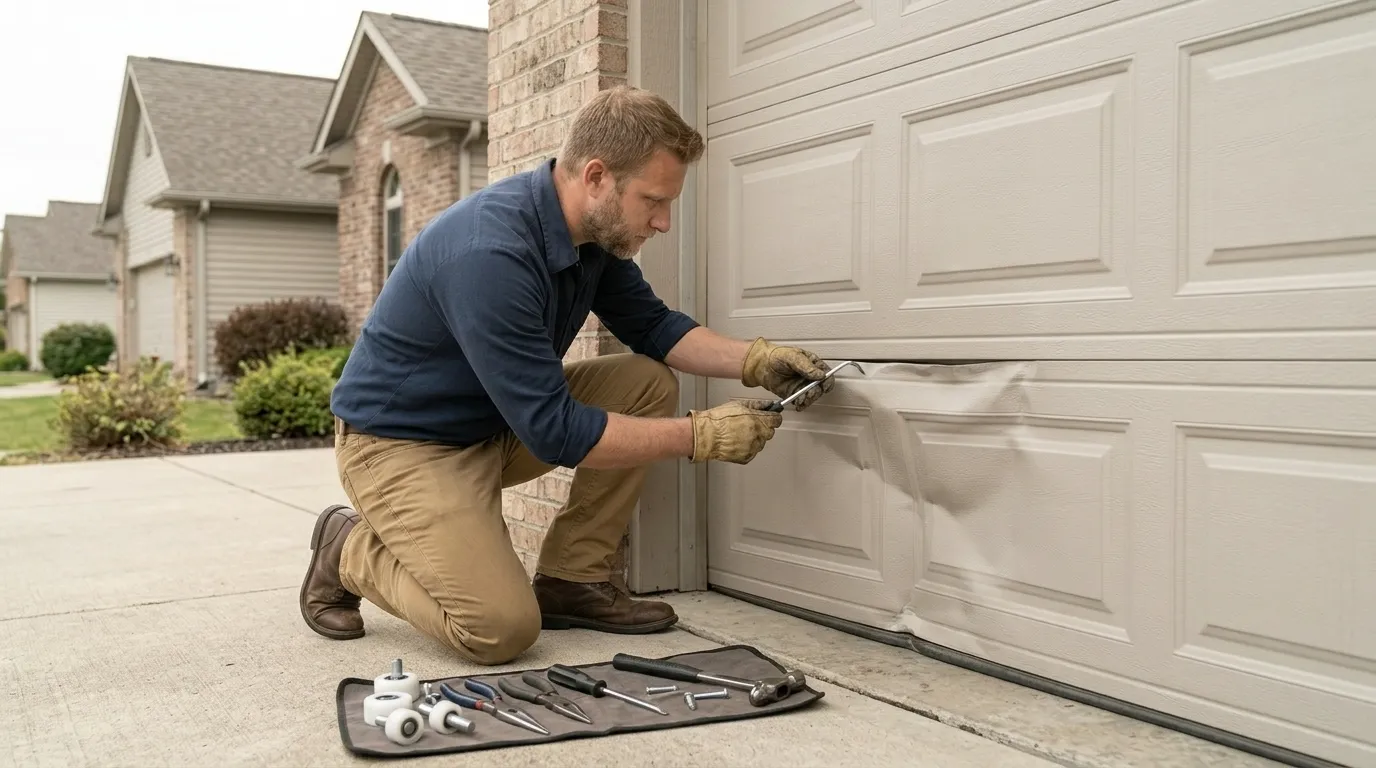
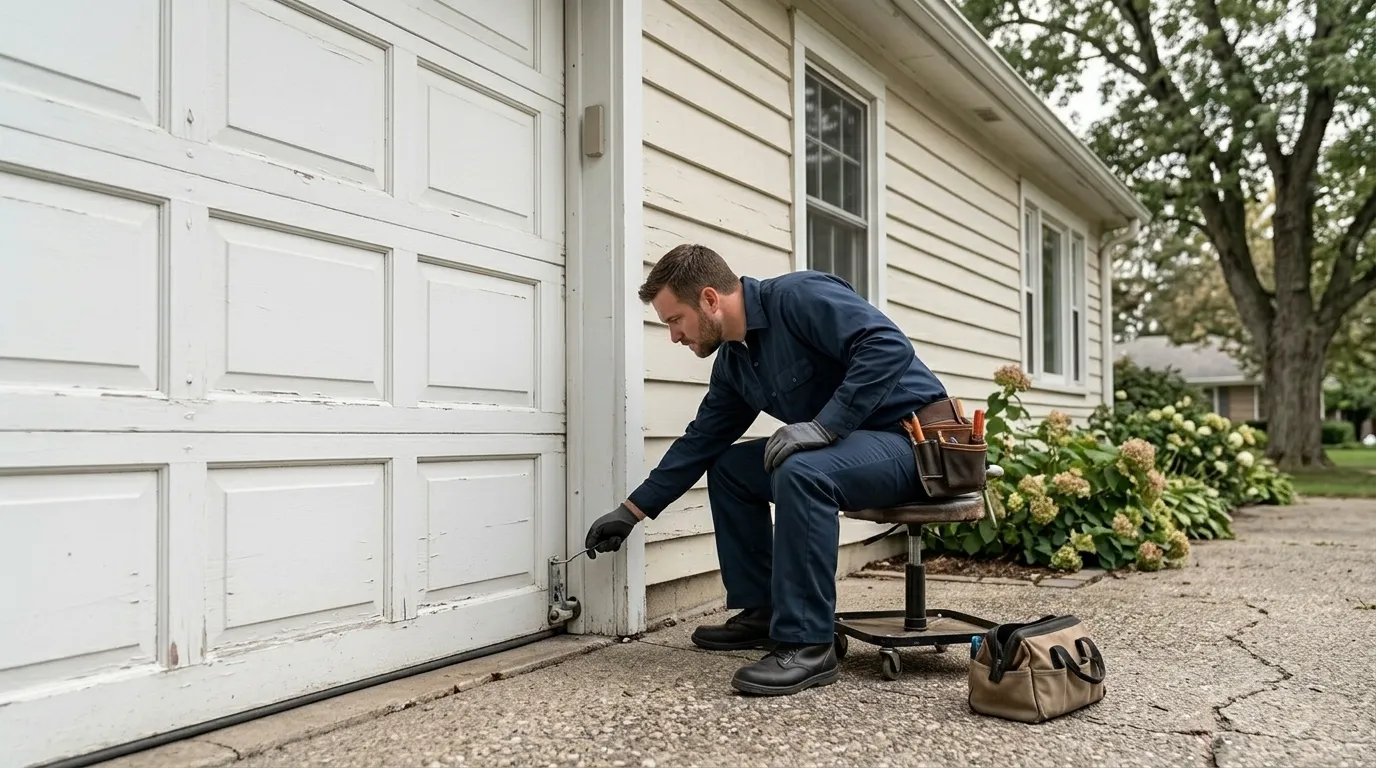
A door that slams the last foot of travel instead of settling is usually a spring that's lost tension, not an opener problem. A door that opens fine but won't close all the way, reversing before it seats, often points to a track that's shifted slightly out of alignment - common on the older end of this area's housing stock where the track brackets have loosened over decades of cycles. Grinding or a rough patch partway through the cycle is almost always a cracked roller, which shows up more in houses from the 80s and 90s that are now hitting the point where the original rollers were never swapped. If the door won't move at all and the opener light blinks, that's usually the opener reading a broken spring as resistance and refusing to fight it - which is the door protecting itself, not failing outright. Given the mild temperate climate here, we don't see much rust-driven failure, so if your hardware looks clean but still isn't working right, it's most likely age and cycle count catching up with it rather than weather damage.