Booking
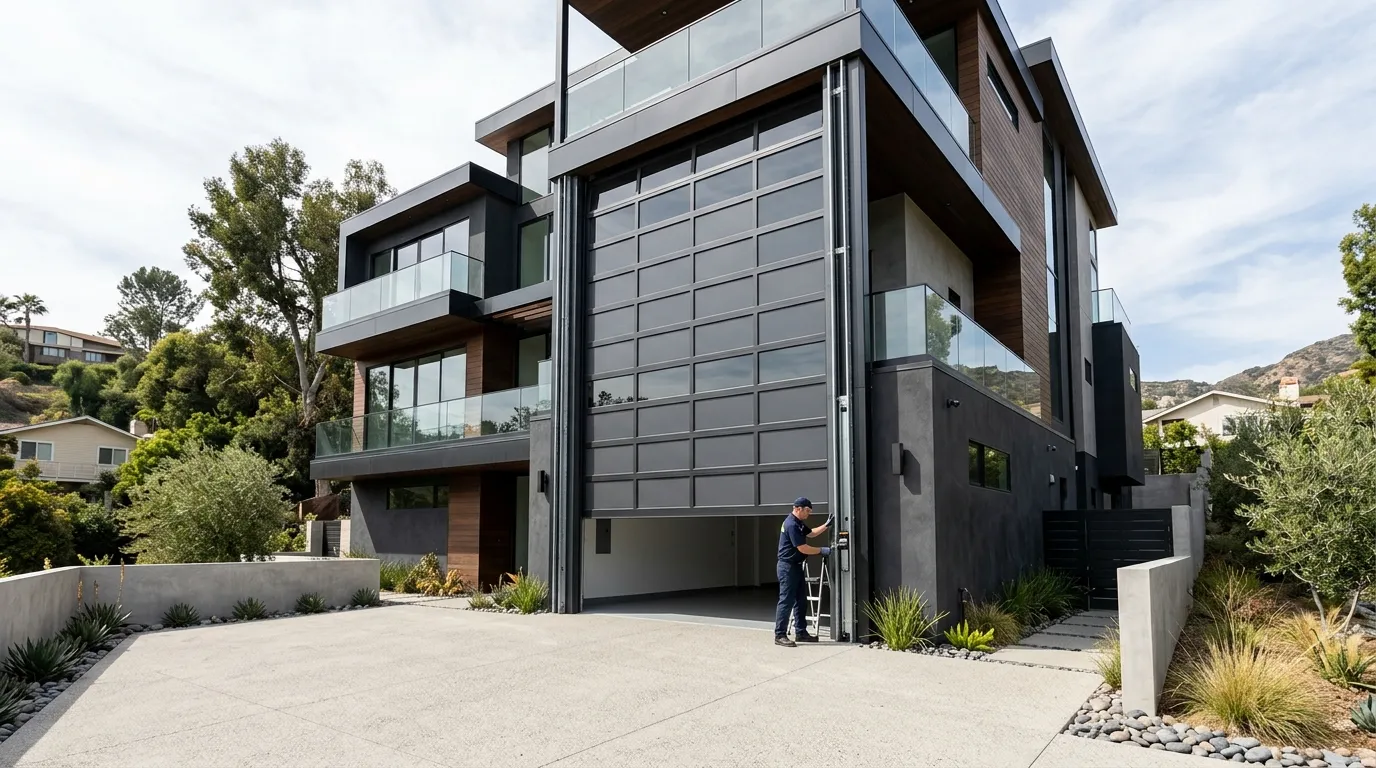
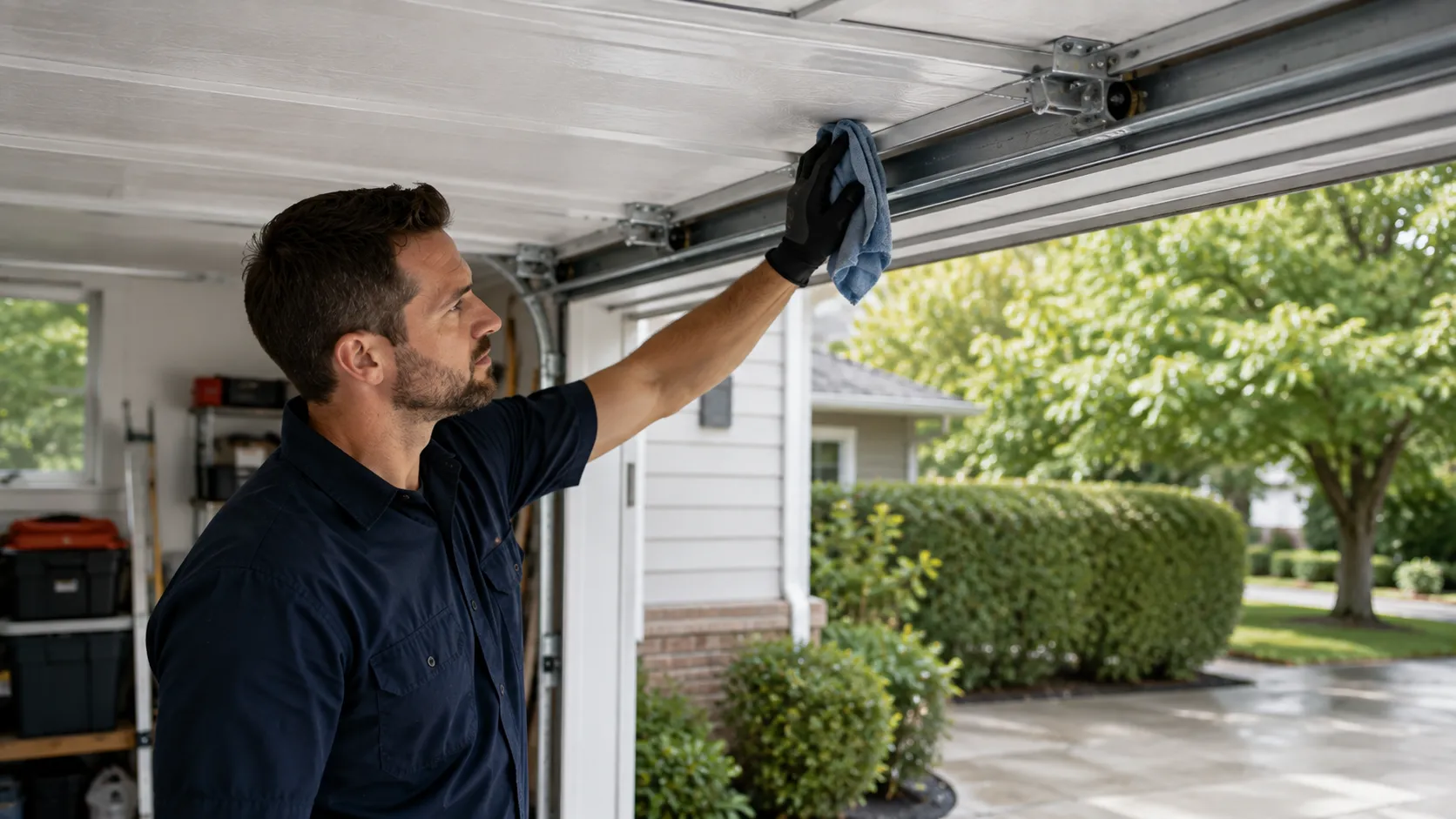
You call, you tell us what the door is doing (or not doing), and we get a truck out to you. We don't run a call center that reads from a script - whoever answers has done the work and can tell you over the phone whether it sounds like a spring, a cable, or an opener board, so you're not guessing before we show up.
One honest limit: if a part on your door is old enough or unusual enough that we don't carry it on the truck, we'll say so instead of pretending we can fix it same-day. Some hardware from the earlier end of this area's build years just isn't stocked anywhere locally, and ordering it takes time we can't shorten by wishing. When that happens we'll walk you through whether waiting on the part or replacing the section makes more sense for your situation.
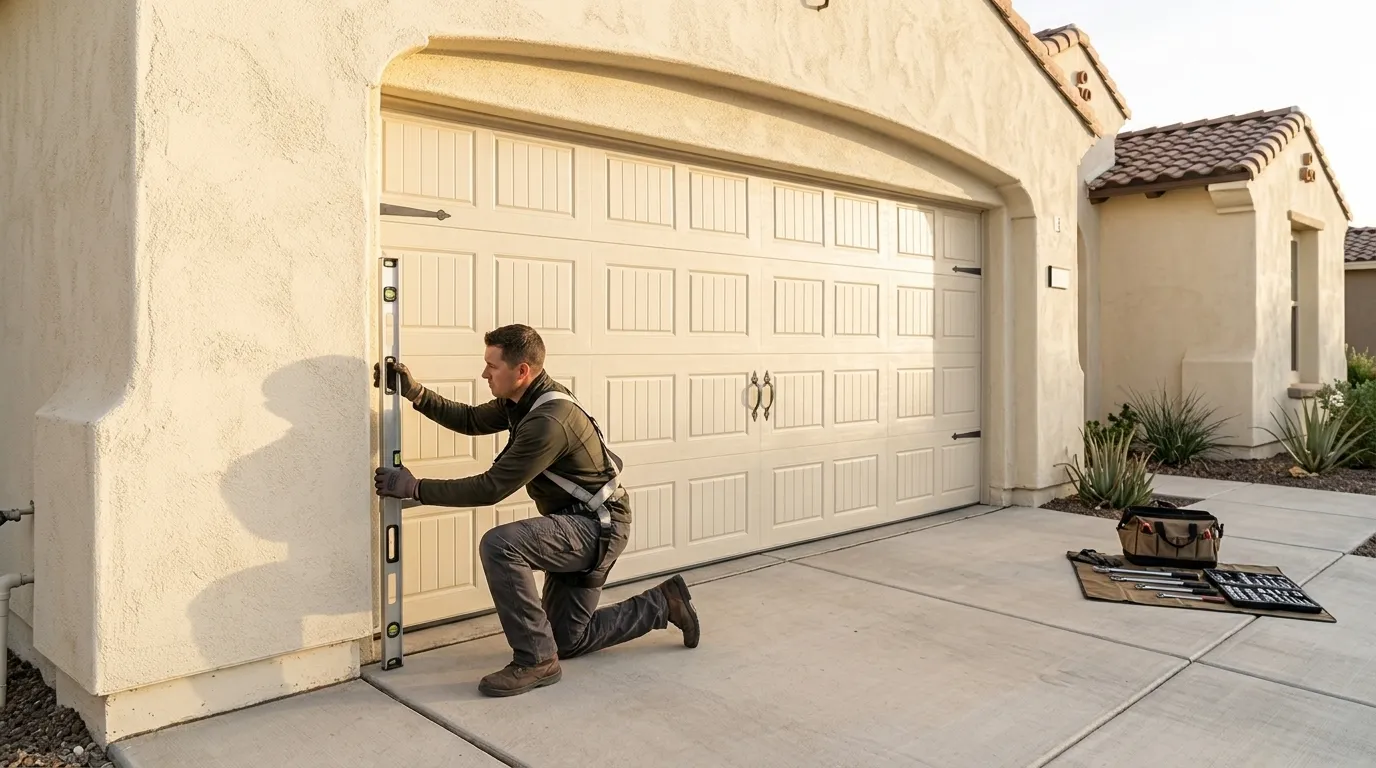
We work Dana Point and the immediately surrounding areas. If you're calling from Capistrano Beach specifically, mention it - it helps us bring the right springs and rollers for the kind of doors that tend to be on this side of town rather than guessing off a generic stock list.
What Is on These Garages
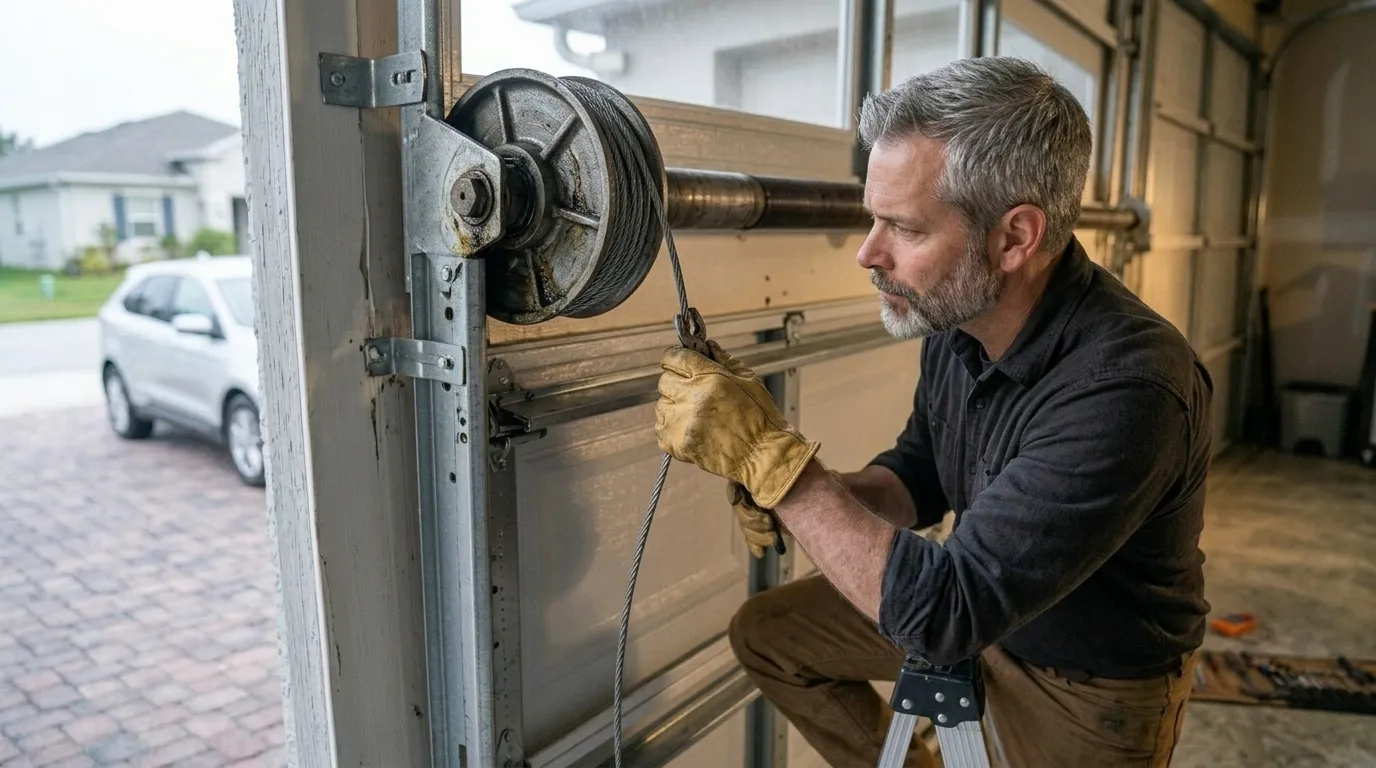
Housing across the service area was built between 1938 and 2015, with the median year sitting at 1982, and most of it clustered in the late 1970s through the 1990s. That matters more than it sounds like it should, because garage door hardware changed a lot over those two decades. Doors from the earlier part of that run are more likely to still have the original torsion spring set, sized for a lighter door than what's sold today, and some still run on the older extension-spring-and-pulley setup along the tracks instead of a torsion bar over the opening.
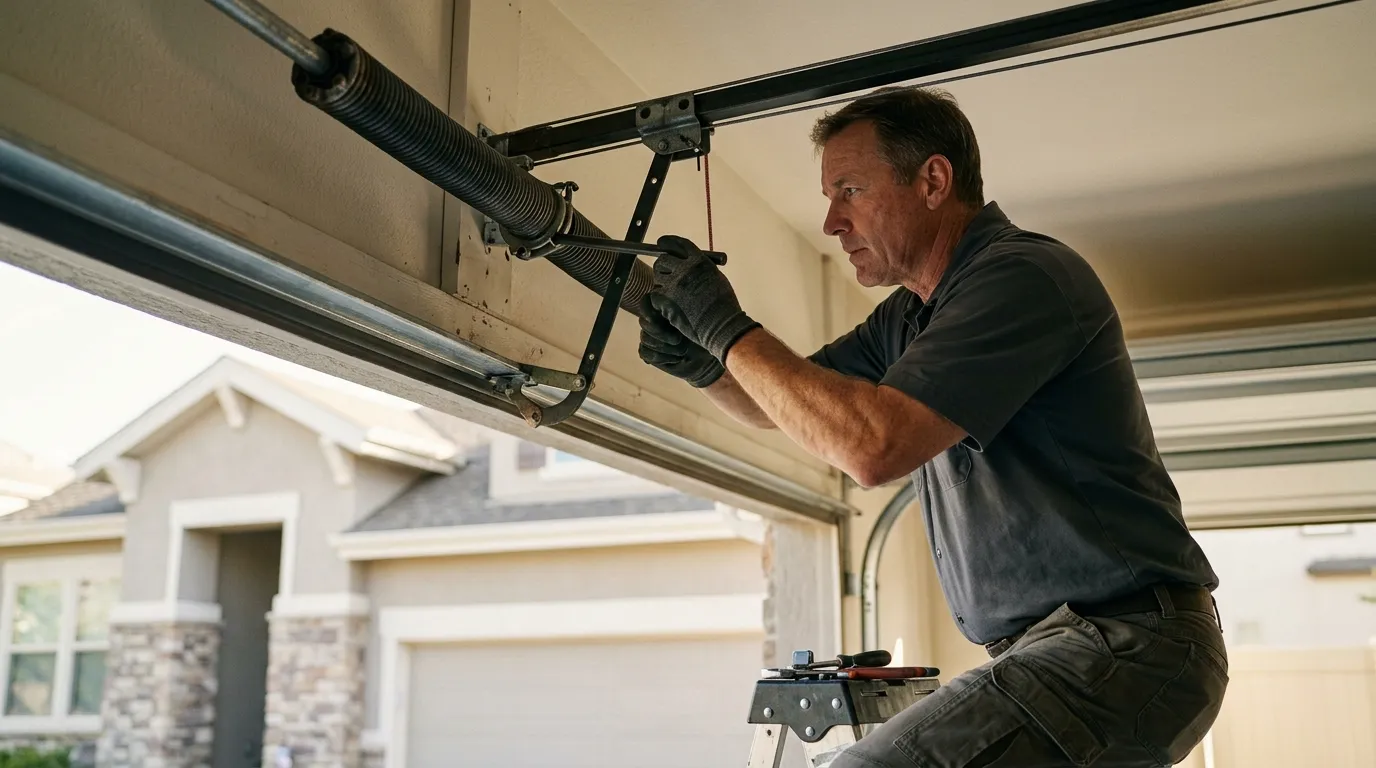
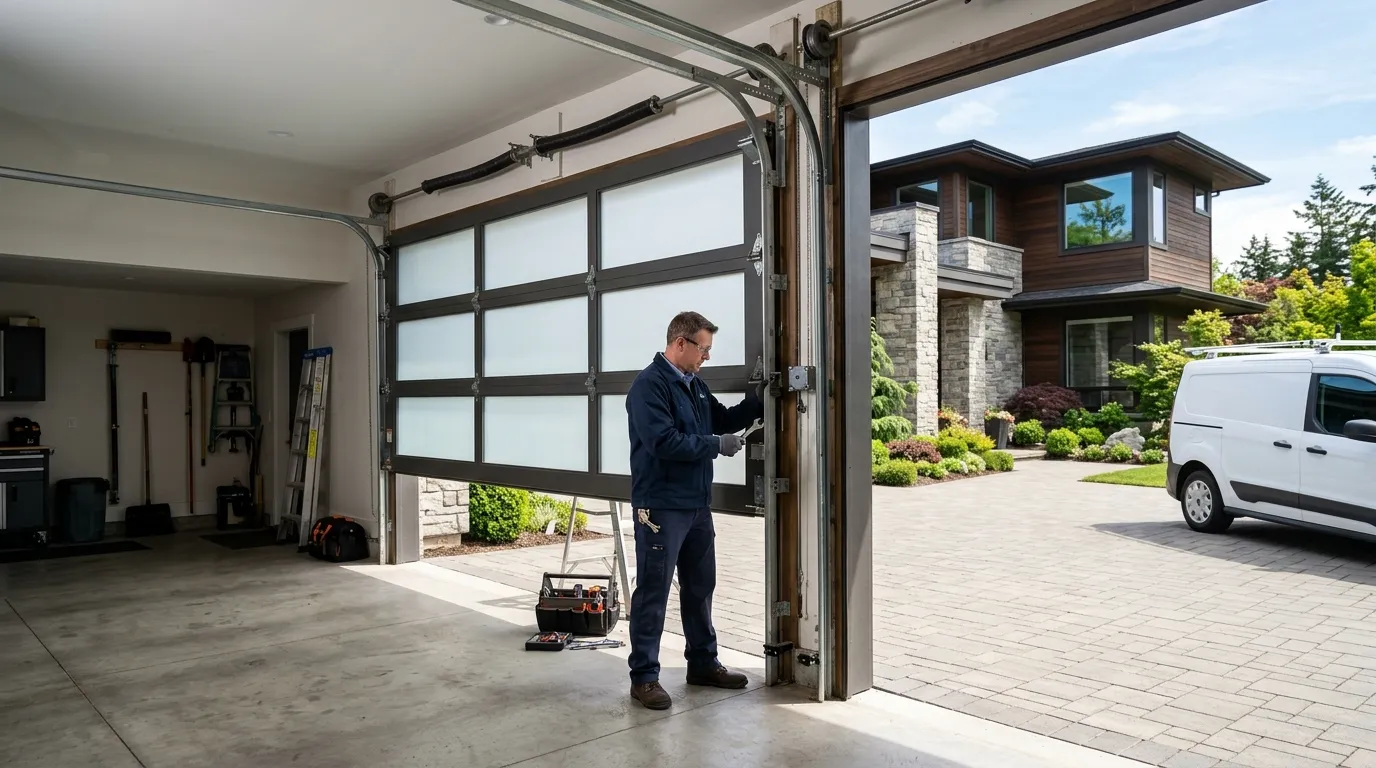
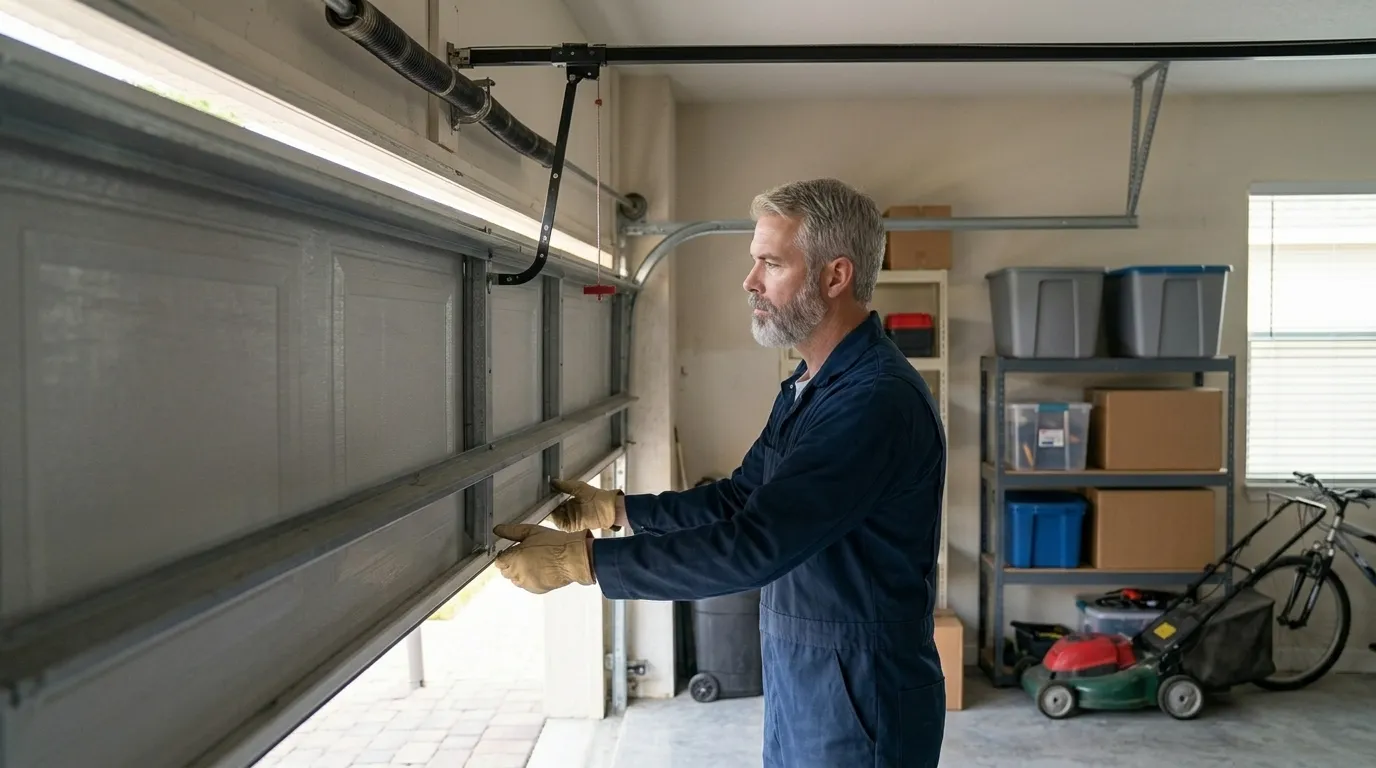
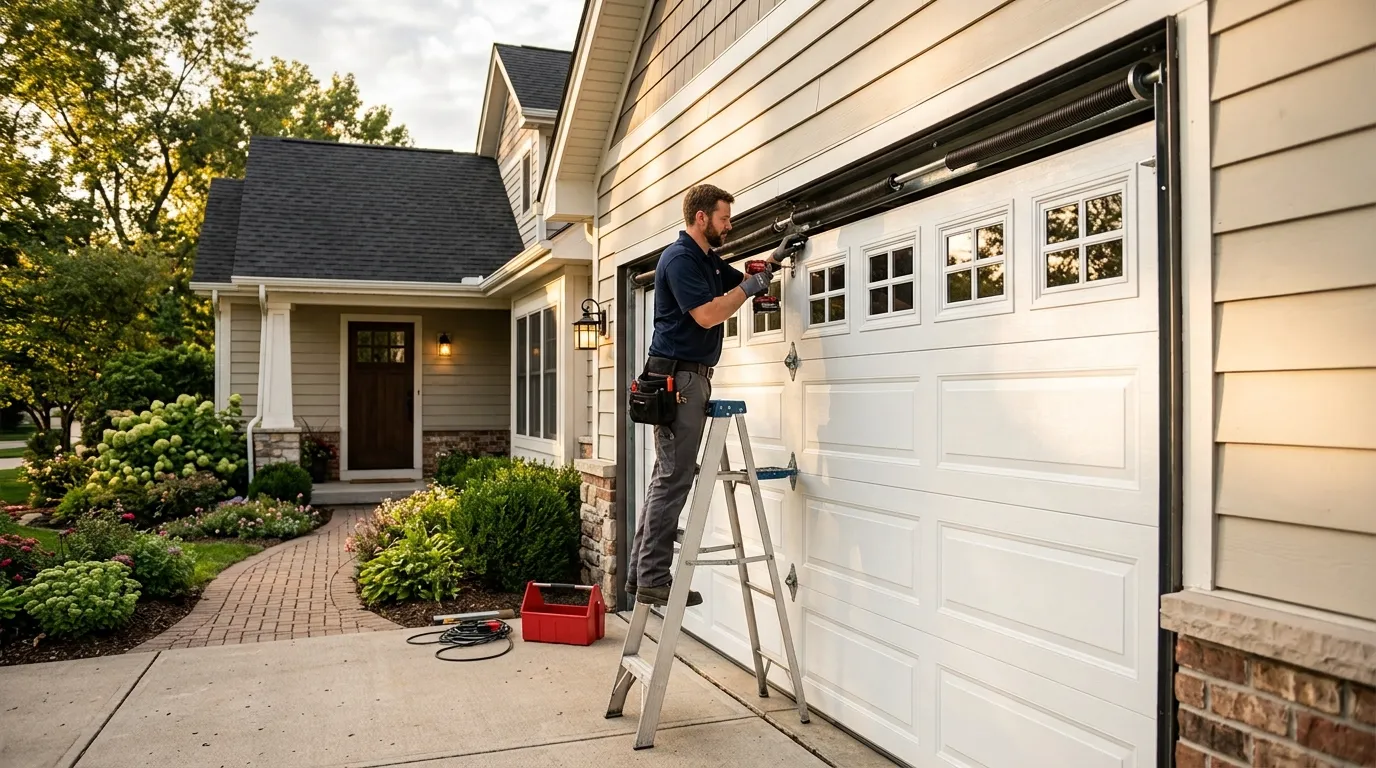
By the 1990s, most builders had shifted to steel sectional doors with torsion springs mounted on a center shaft - the setup that's still standard now, which is good news if you need a spring replaced, since parts for that generation are the ones every supply house keeps in stock.
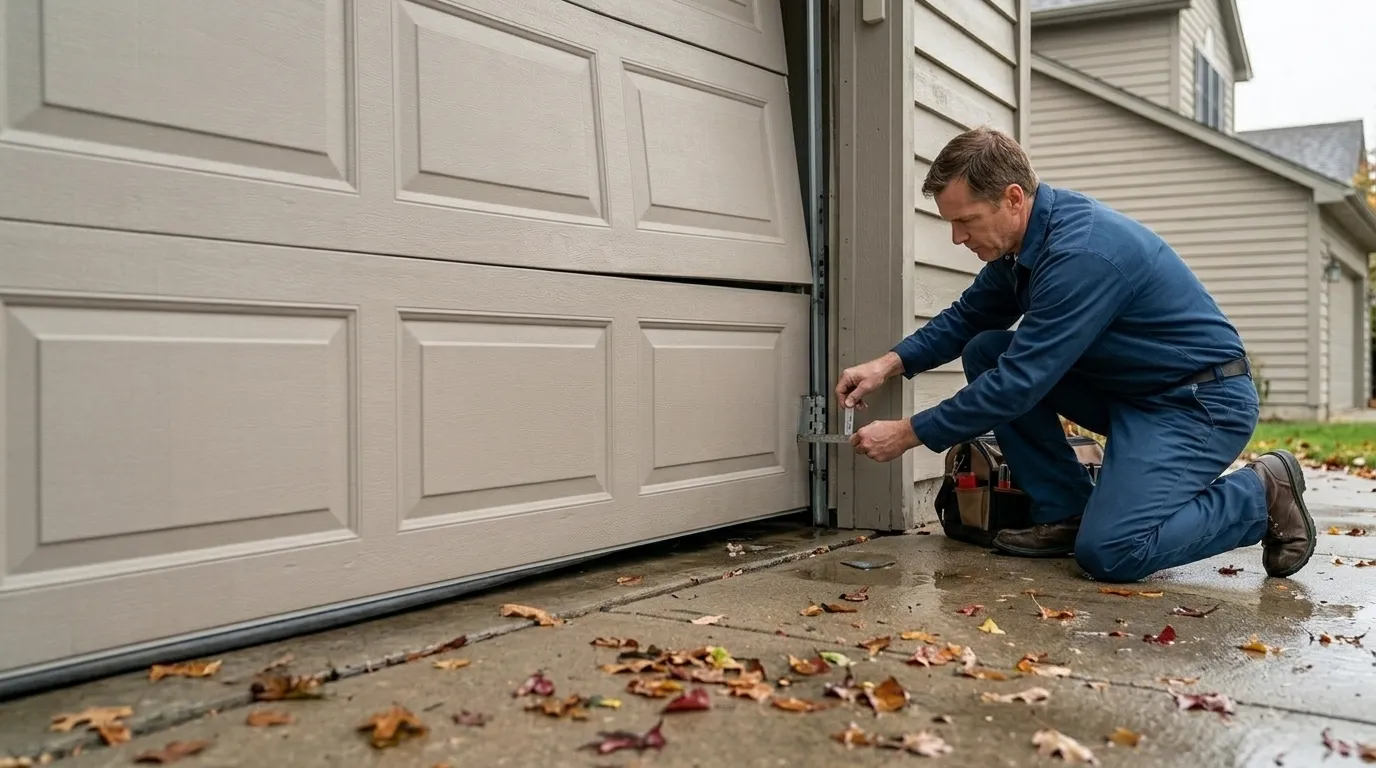
The mild coastal climate here doesn't put the kind of stress on doors that you'd see with big temperature swings or heavy freeze-thaw cycles, so when a door in this age range fails, it's usually wear on moving parts - springs, rollers, cables - rather than the panel or frame itself warping or rusting through.