What You Pay
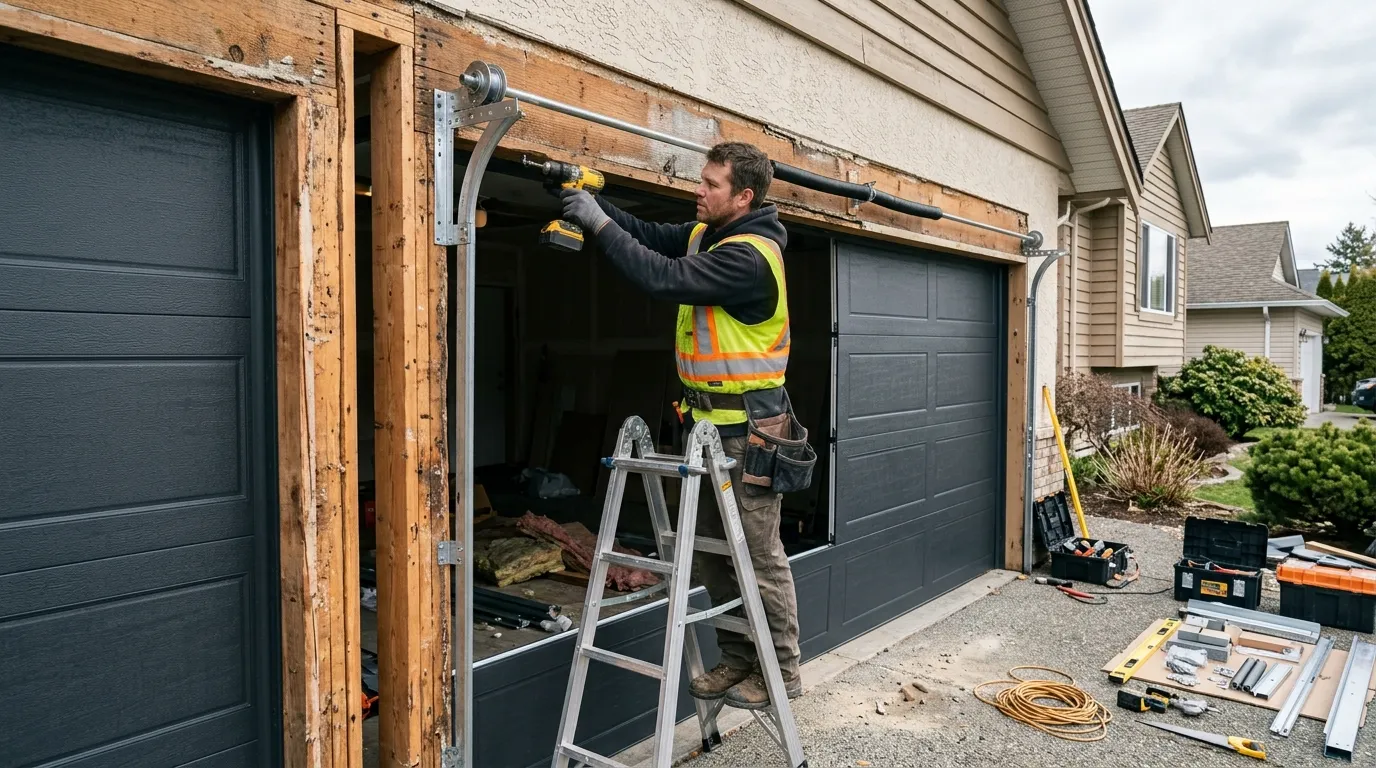
There's no single number for a garage door repair because the job depends on what's actually broken and what your door was built with. A torsion spring swap on a standard double door costs less than replacing a bent track or a burned-out opener motor. Dana Point homes span a wide build range, from 1938 up through 2015, with a lot of stock dating to the 1980s and 90s, so the parts on your door might be original hardware from four decades ago or a newer setup with plastic idler pulleys and lighter-gauge track. Older doors sometimes need a part that isn't a stock size anymore, which adds time and cost. Newer doors are usually quicker because the hardware is common. We give you a number after we look at the door, not before, because guessing over the phone and then padding the invoice on site is how homeowners get burned. One honest limitation: if your opener is more than about fifteen years old and the logic board has failed, we'll tell you straight that replacing the opener is usually cheaper than sourcing a discontinued board, even though that's not the answer that makes us the most money on that call.
Why This Fails Locally
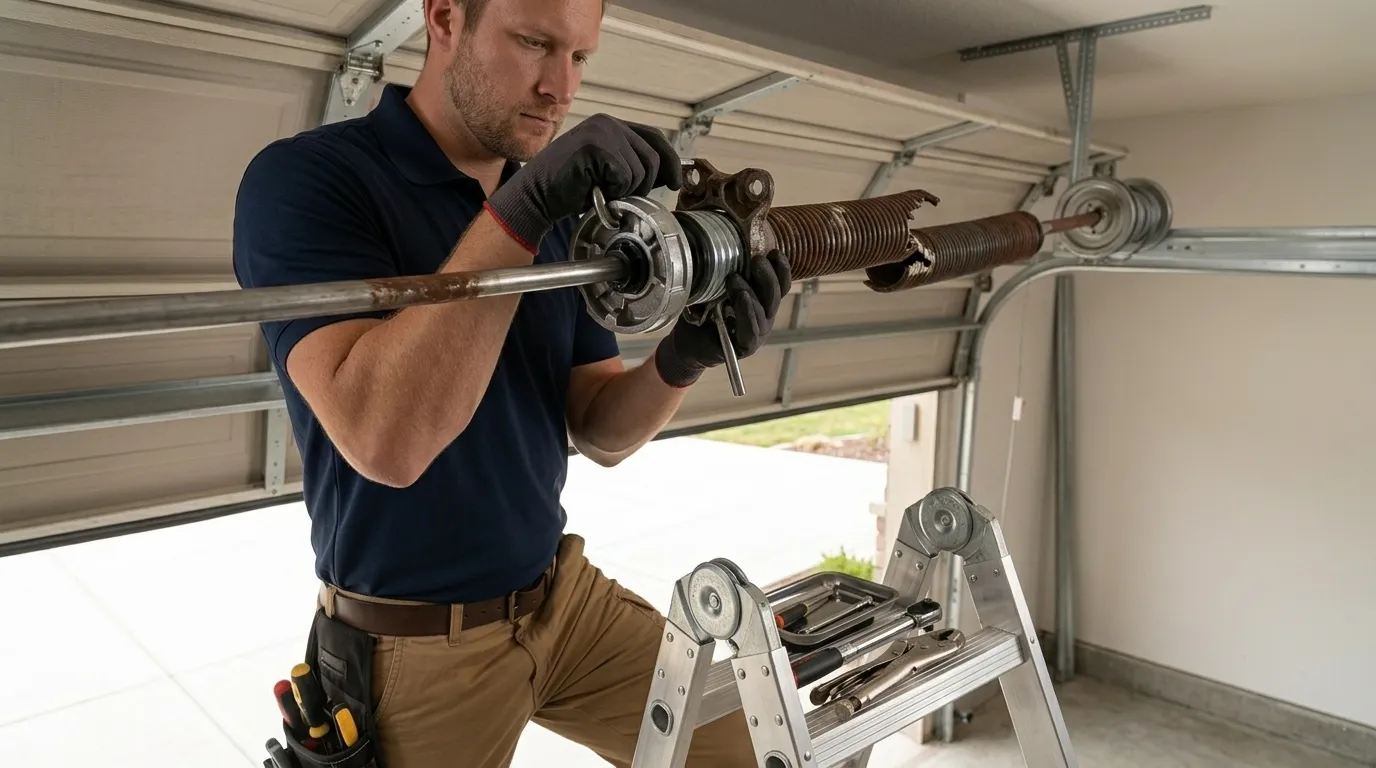
Dana Point sits in a mild temperate band, which sounds like it should be easy on hardware, but mild and steady salt-air humidity does its own kind of damage - it doesn't freeze anything, it just corrodes springs and hinges slowly, year after year, without the seasonal stress that would prompt someone to replace a part before it snaps. Combine that with a housing stock where a meaningful share of homes were built in the 1980s and 90s across the area's ten named neighborhoods, and you get a lot of doors running on original torsion springs that have simply outlived their cycle count. Nobody swapped them because nothing dramatic happened - no cold snap, no storm - just a slow give until the spring lets go on an ordinary Tuesday. The other common failure we see ties to hardware from that same era: single-piece steel doors on side-mounted track, a design that was common through the 80s and into the 90s but that modern opener force settings and modern rollers weren't built around, so the geometry binds under normal use long before anything looks visibly wrong.
What You Are Seeing
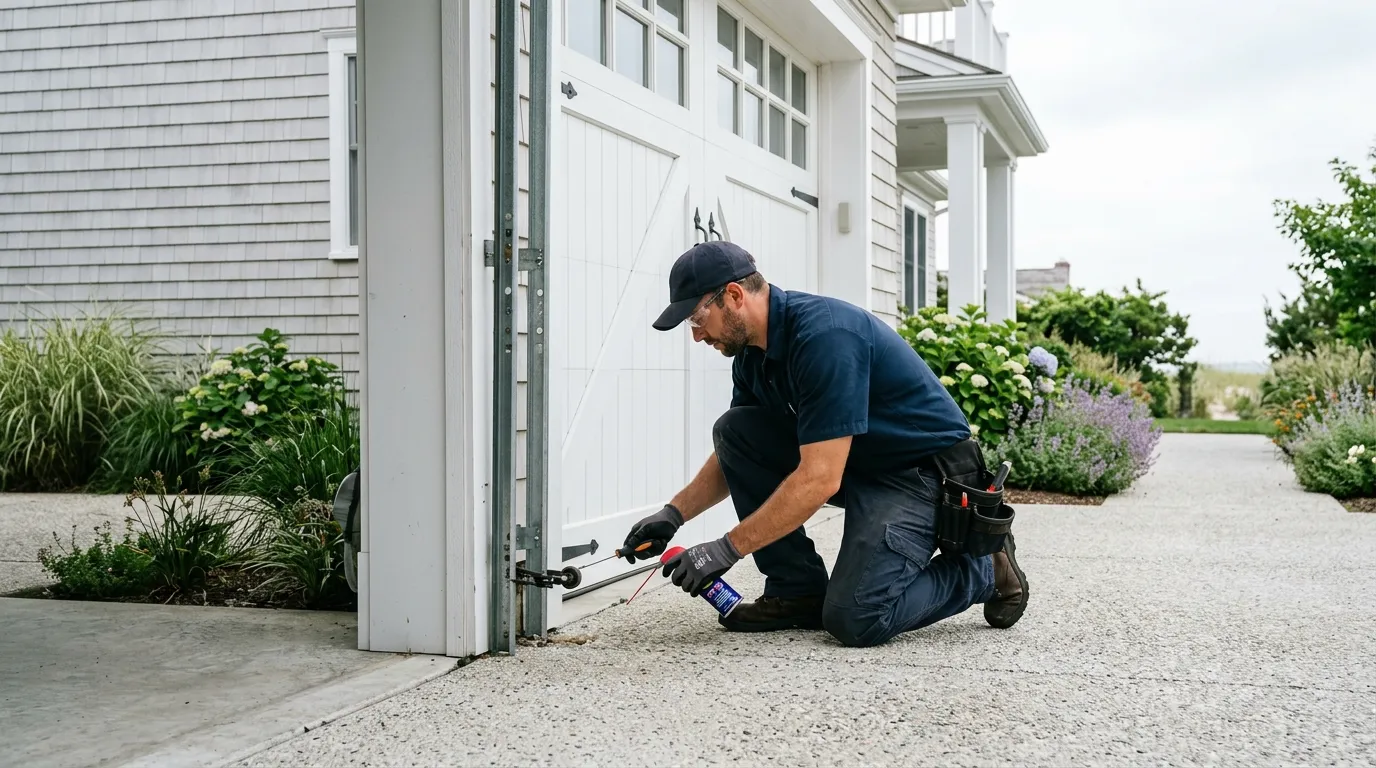
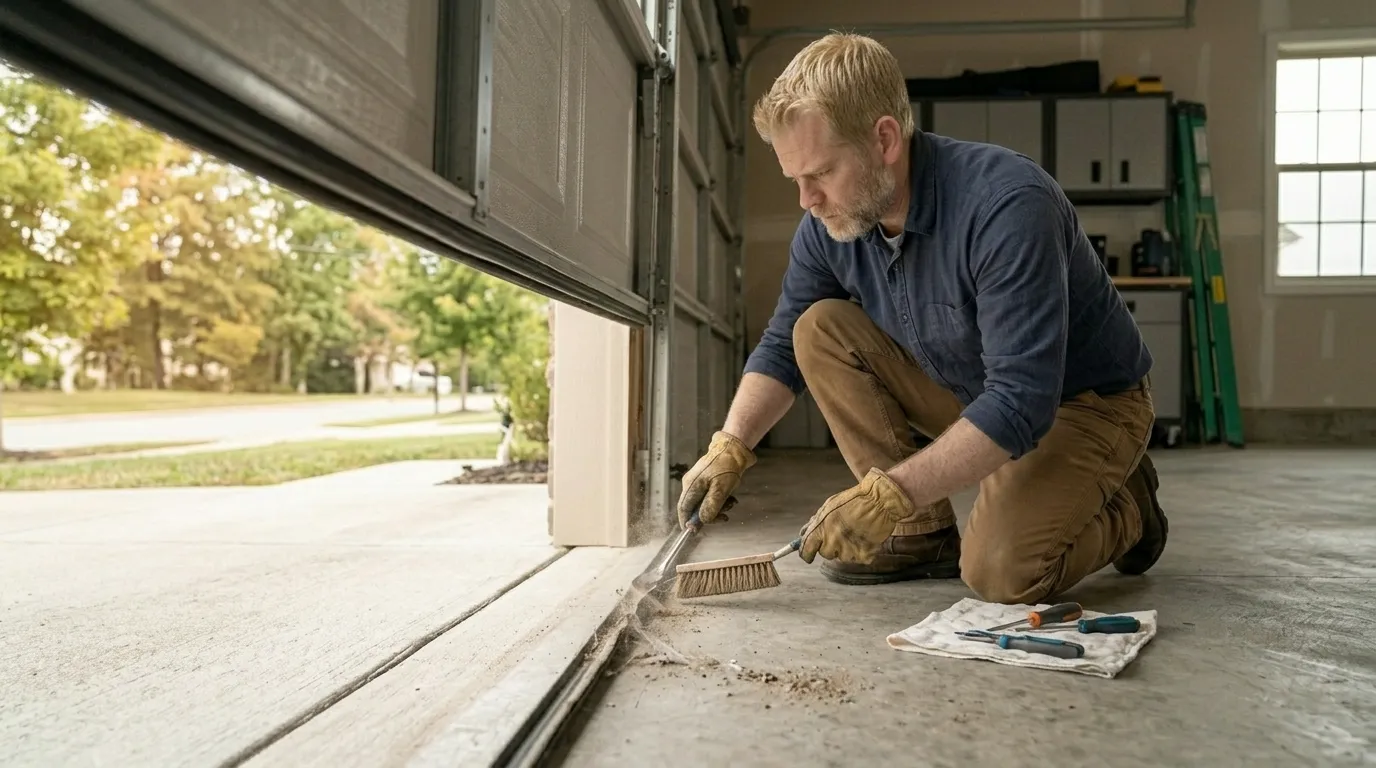
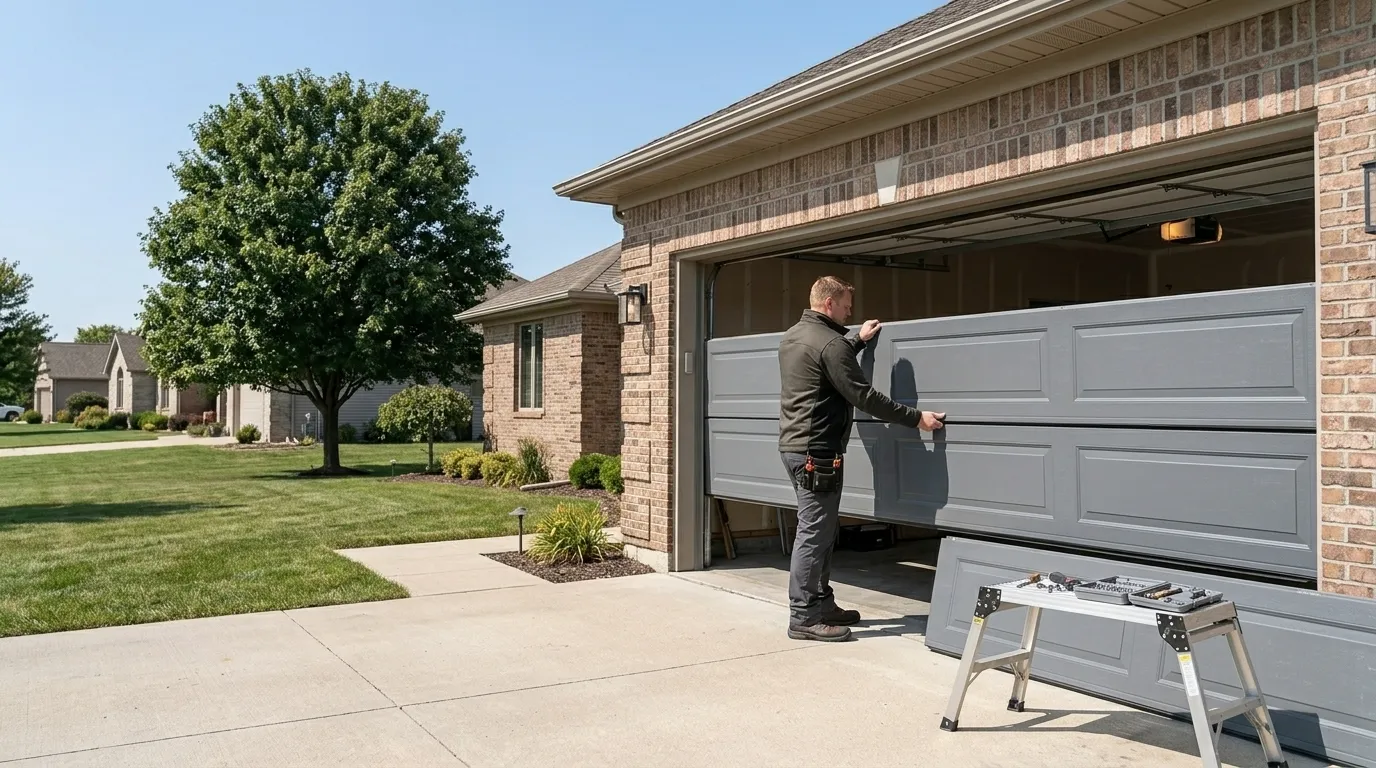
If your door is heavy to lift by hand, or the opener strains and reverses partway up, that's almost always a spring that's lost tension - common on original hardware from the area's 1980s-90s housing wave. A door that shudders or drifts off-track partway through its cycle usually points to worn rollers or a bent section of track, more common on the single-piece steel doors that were standard through that same era. Rust streaks at the bottom bracket or hinge points, even without any cold-weather cracking, are typical of the mild coastal air here doing its slow work on steel that was never coated for salt exposure. And a door that opens fine but won't close, or reverses right before it seats, is often a sensor or force-setting issue on an opener old enough that its safety electronics predate current sensor standards.