What You Pay
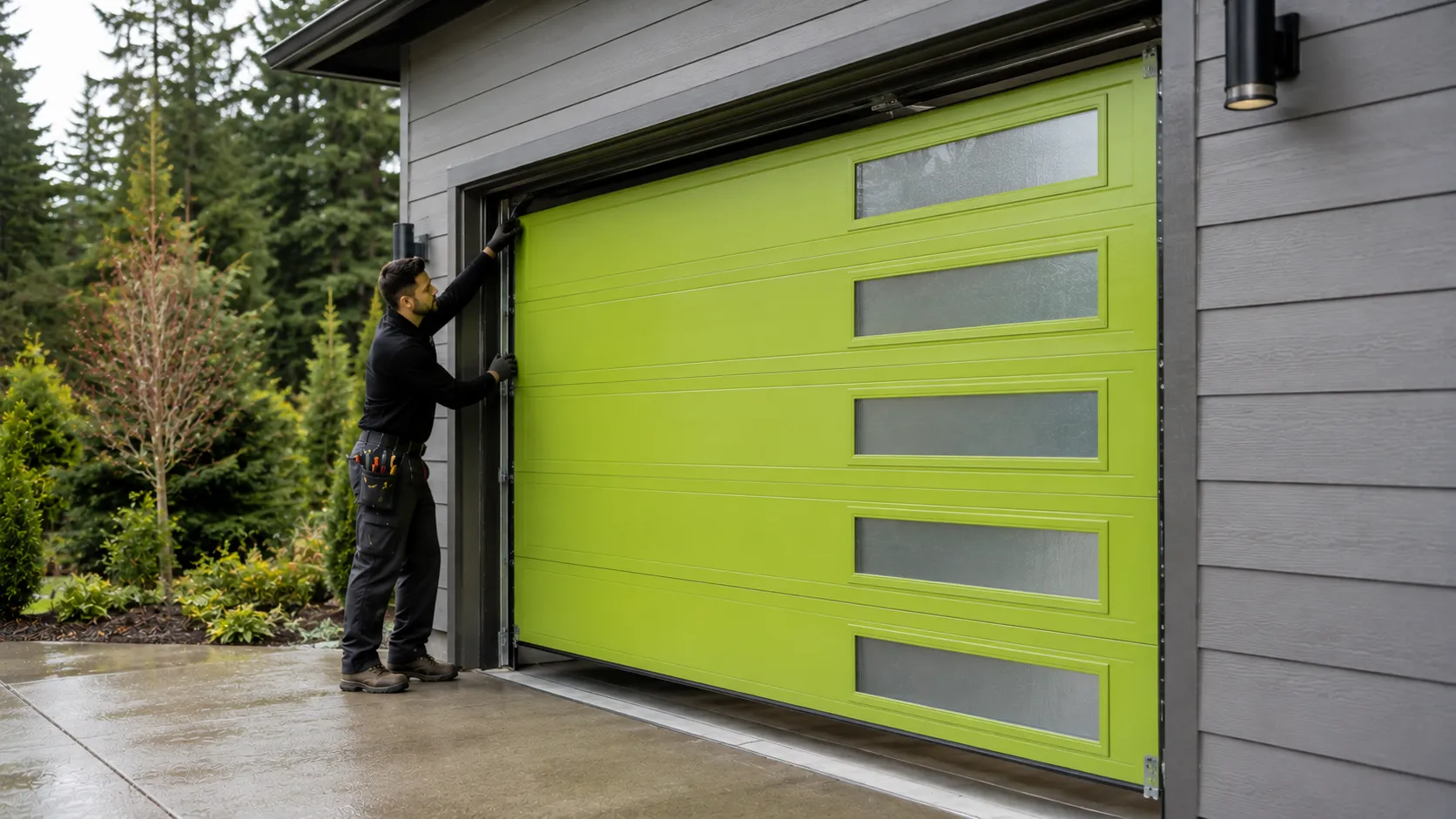
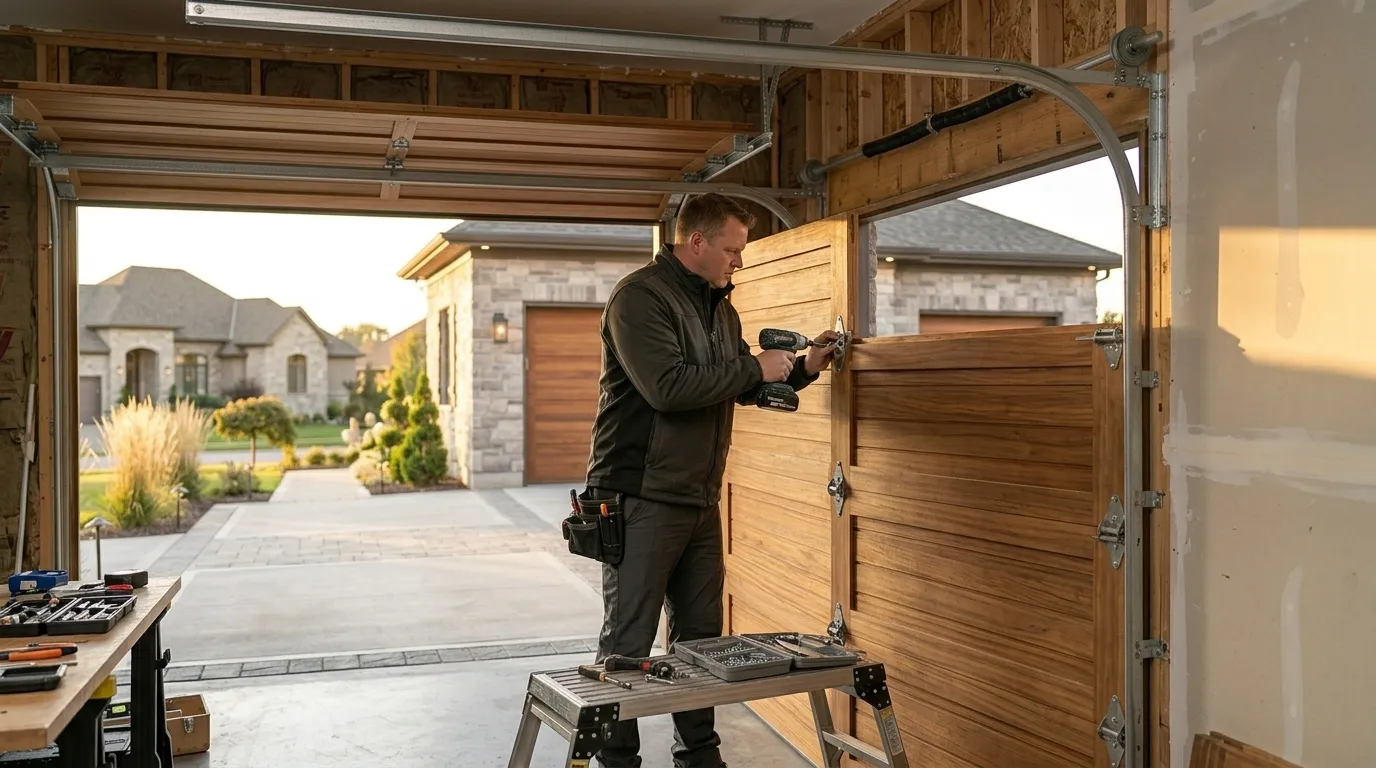
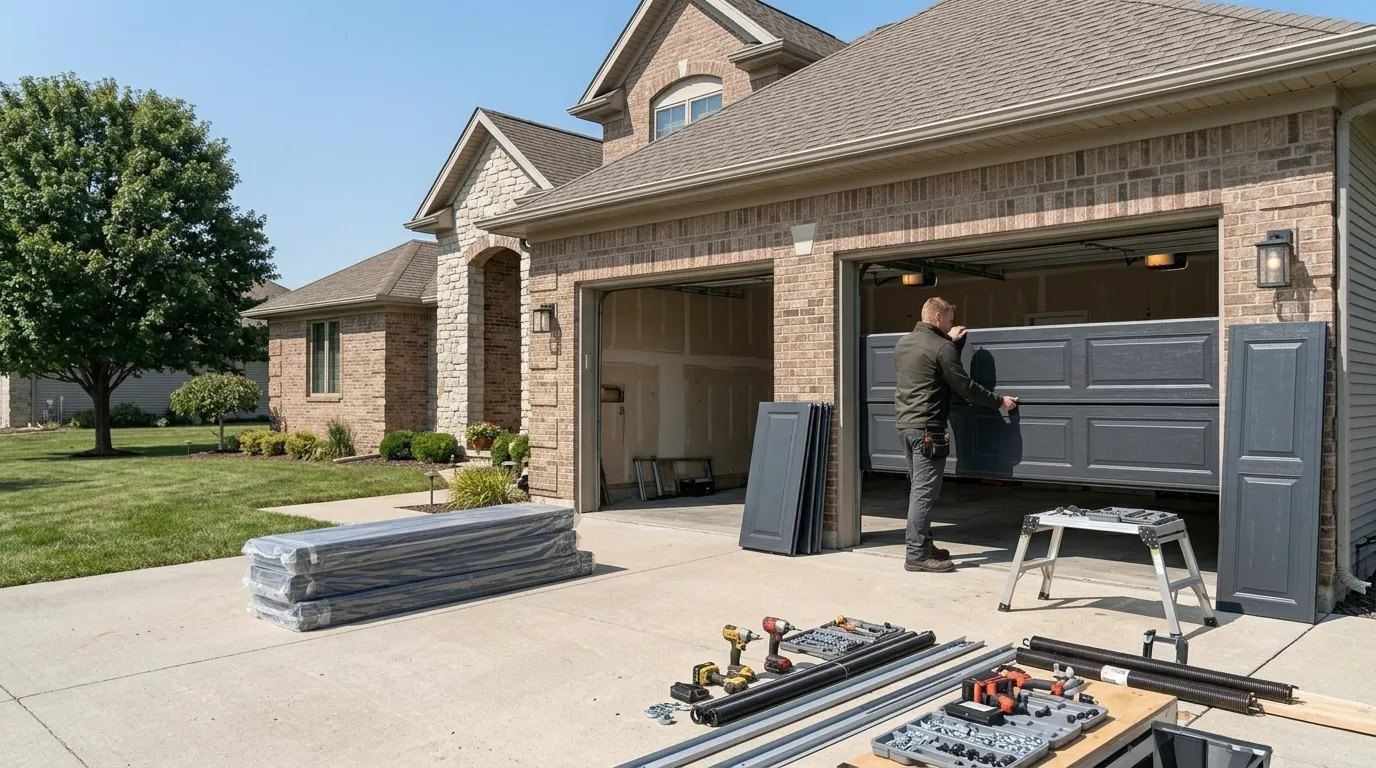
We don't post a flat number here because a straight swap on a standard steel door isn't the same job as fitting a custom size into an older opening, and we're not going to guess at a figure that doesn't hold once we're standing in your driveway. What we can tell you is what drives the number: door material, insulation, opening size, and whether the existing track and jamb need work or just a new panel set. With median household income in Dana Point near $160,809, we see more owners here choosing insulated steel or composite upgrades instead of patching a door that's original to the house - the math on a full swap makes more sense when the door's going to sit through another twenty years of coastal air. If your opening is standard and the jambs are square, the job is simple. If the house has settled or the track was never square to begin with, that adds time. We'll walk the opening with you before we quote anything, and we won't pad the number to cover a guess.
Why This Fails Locally
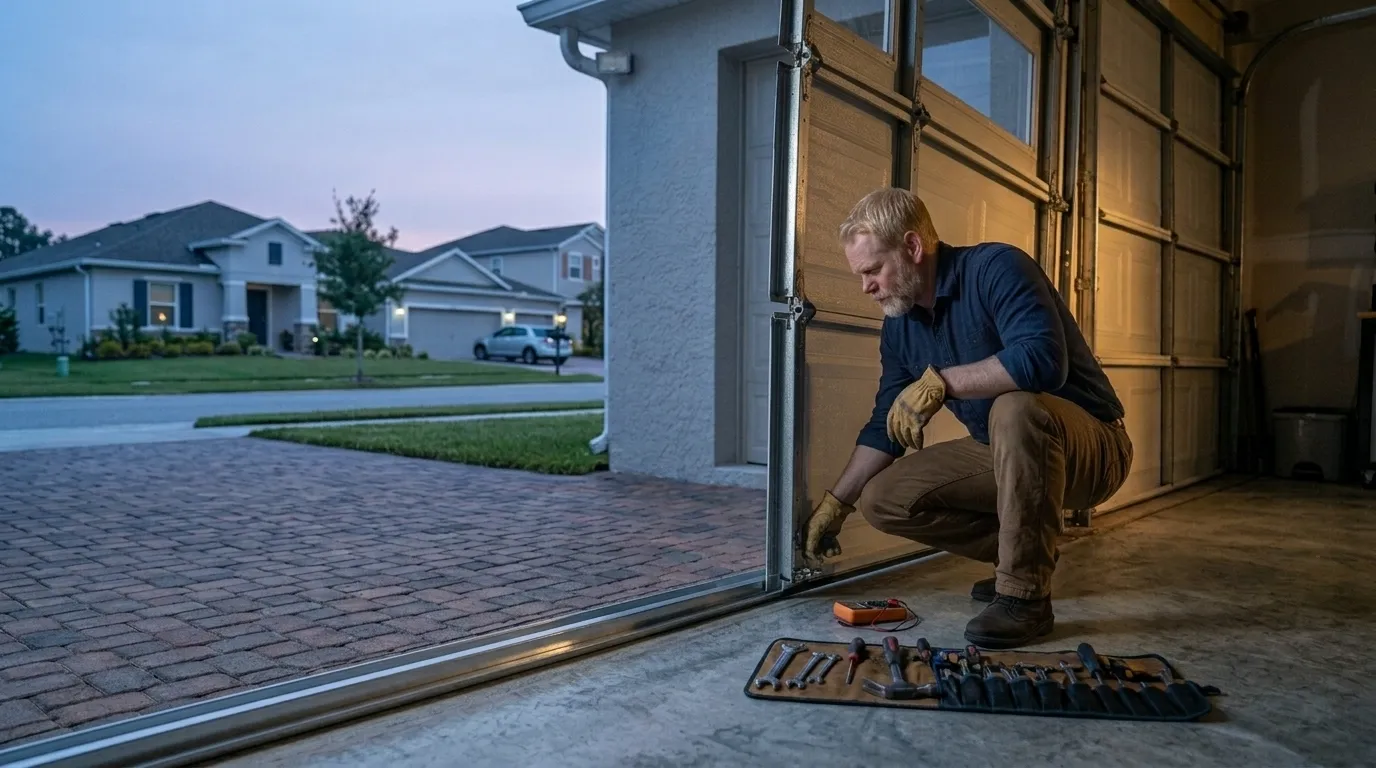
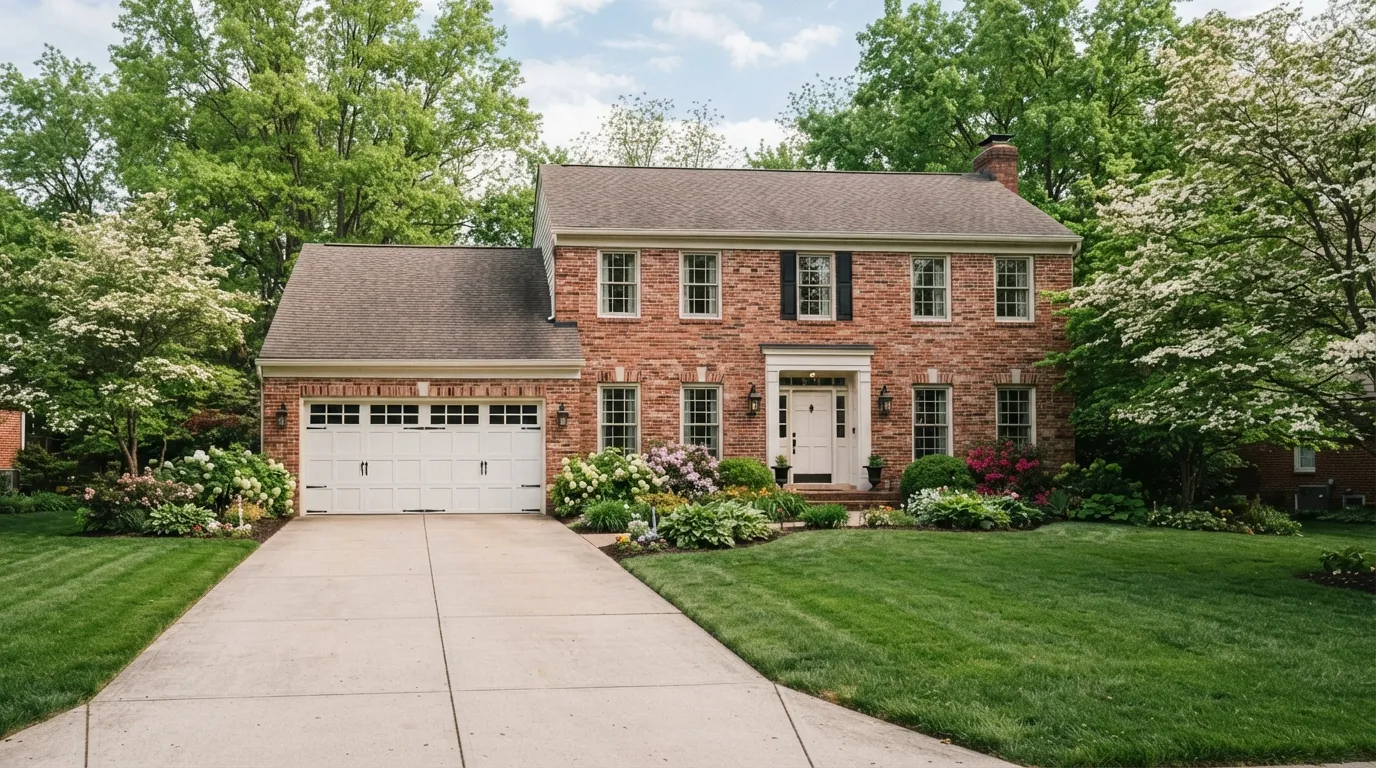
Most homes in Dana Point went up between 1938 and 2015, with the bulk of the stock dating to the 1980s and 90s across the ten neighborhoods that make up this stretch of the coast. A door installed during that tract-building wave is now pushing forty years old, right at the point where the original springs and tracks are due, and builder-grade hardware from that era wasn't built for a forty-year service life. Dana Point sits close enough to the water that the mild coastal air common here keeps steel doors damp long after a storm passes, corroding hardware that would stay dry a few miles inland. It's not the dramatic weather that gets these doors - there's no hail or deep freeze in this climate band - it's the slow, steady moisture that eats through unsealed track bolts and hinge pins over a couple of decades. Homes near Capistrano Beach and Laguna Beach, both within a few miles of Dana Point, take more airborne salt than tract housing further inland toward Ladera Ranch or Coto de Caza, so a door that's fine in one part of town can be seizing up in another. That's the local pattern: age of the door plus proximity to the water, not one dramatic event.
What You Are Seeing
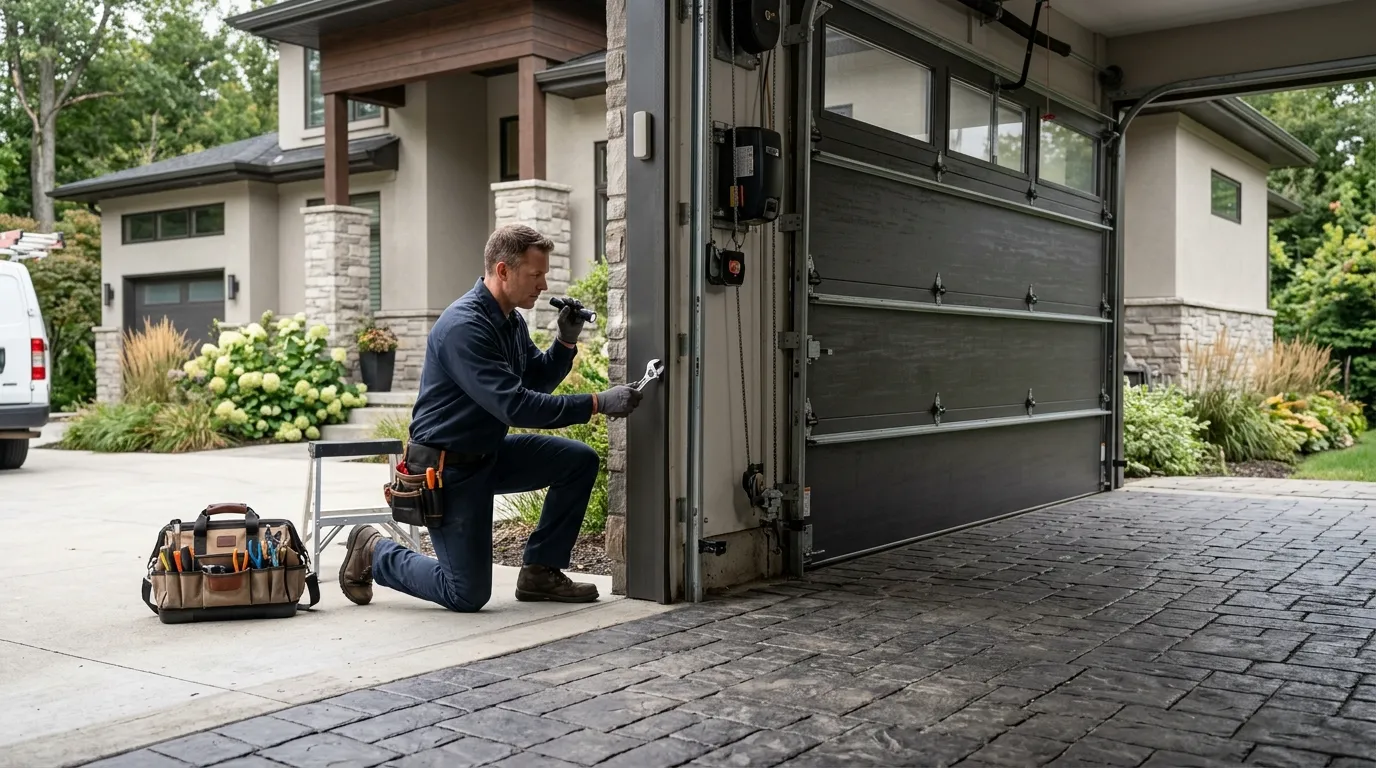
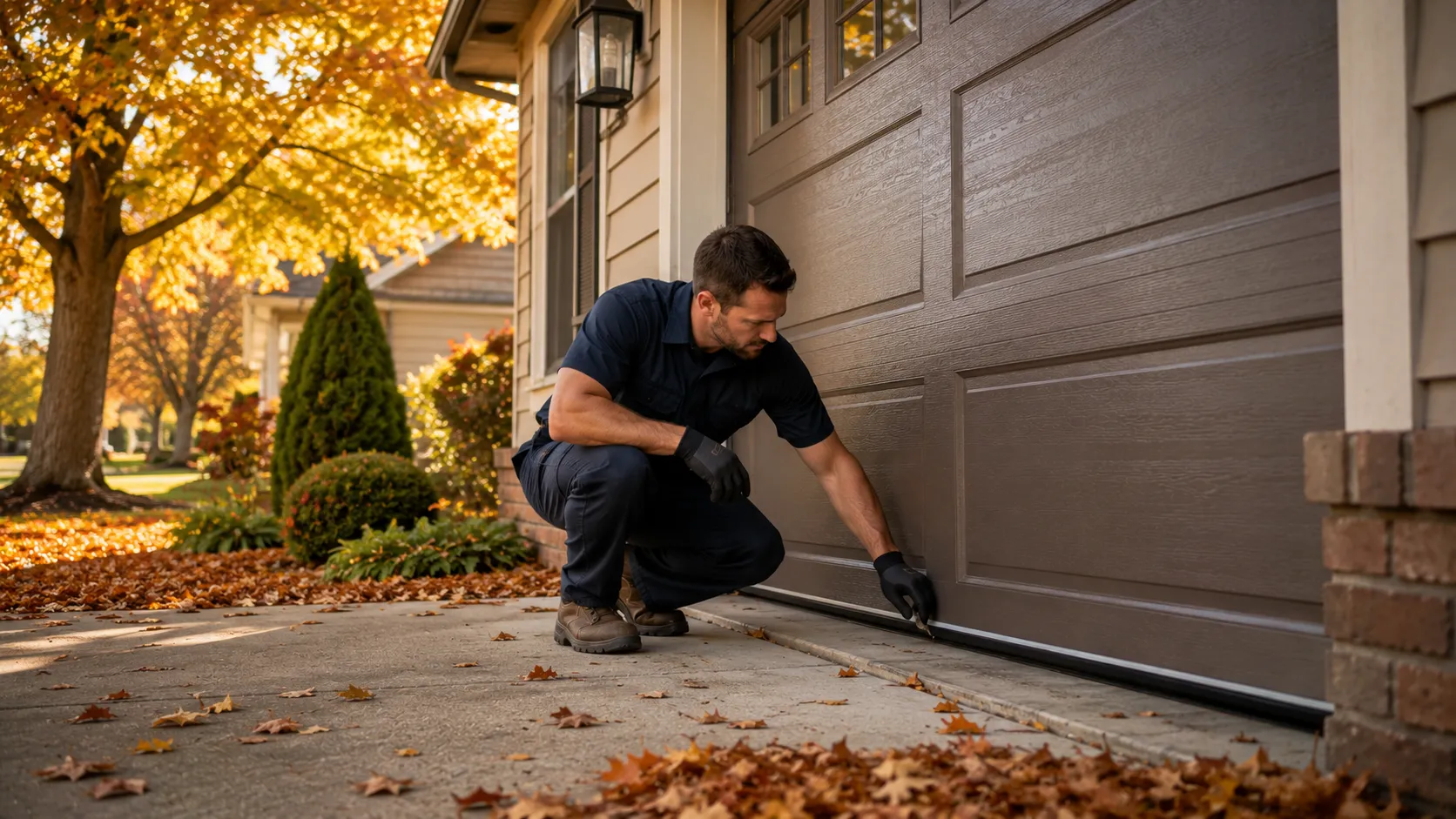
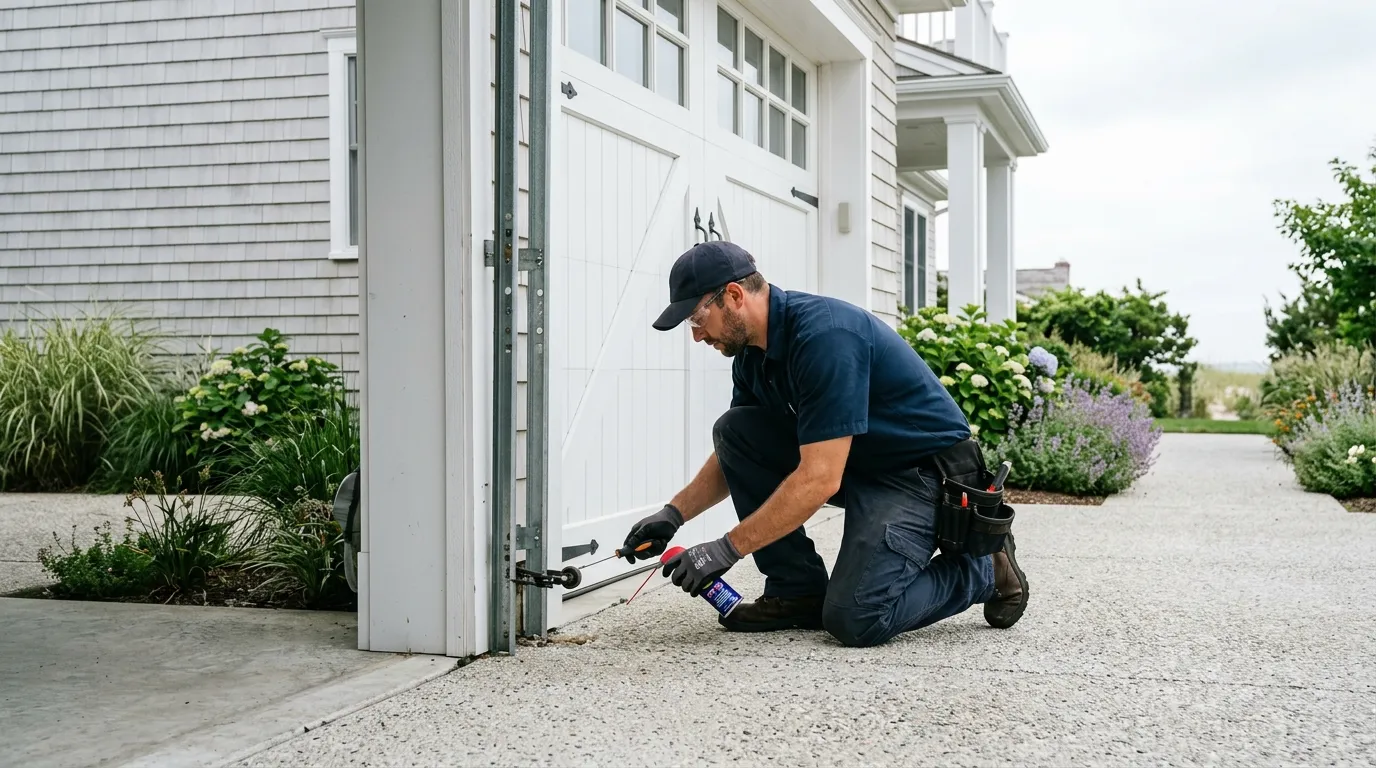
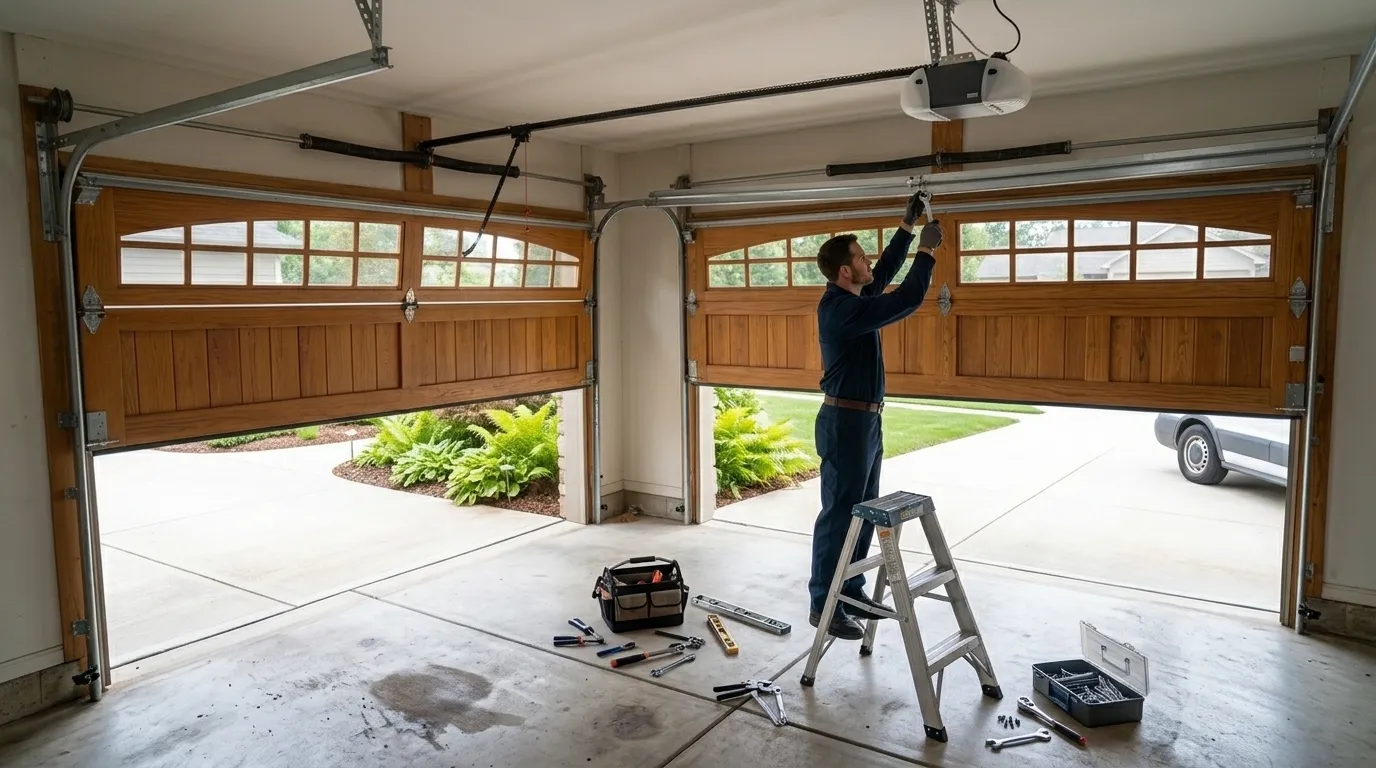
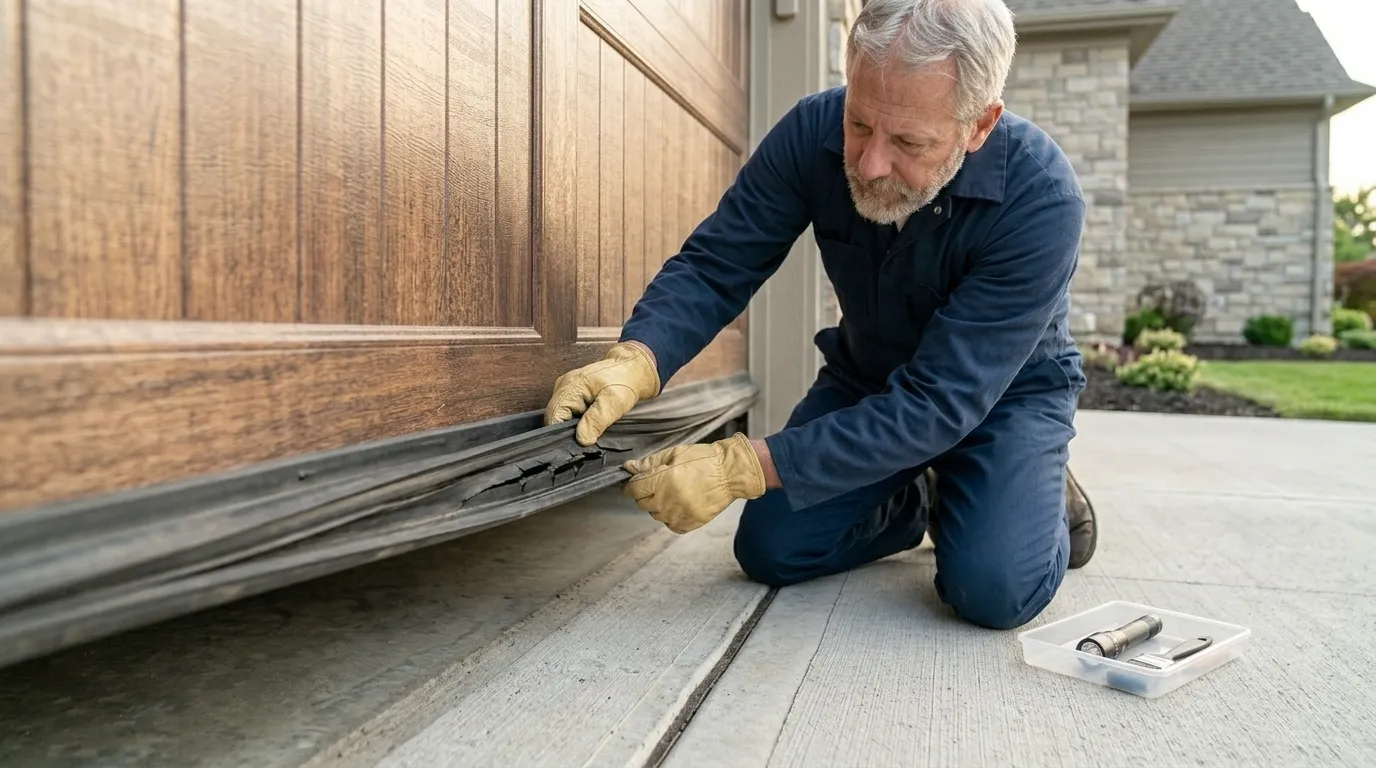
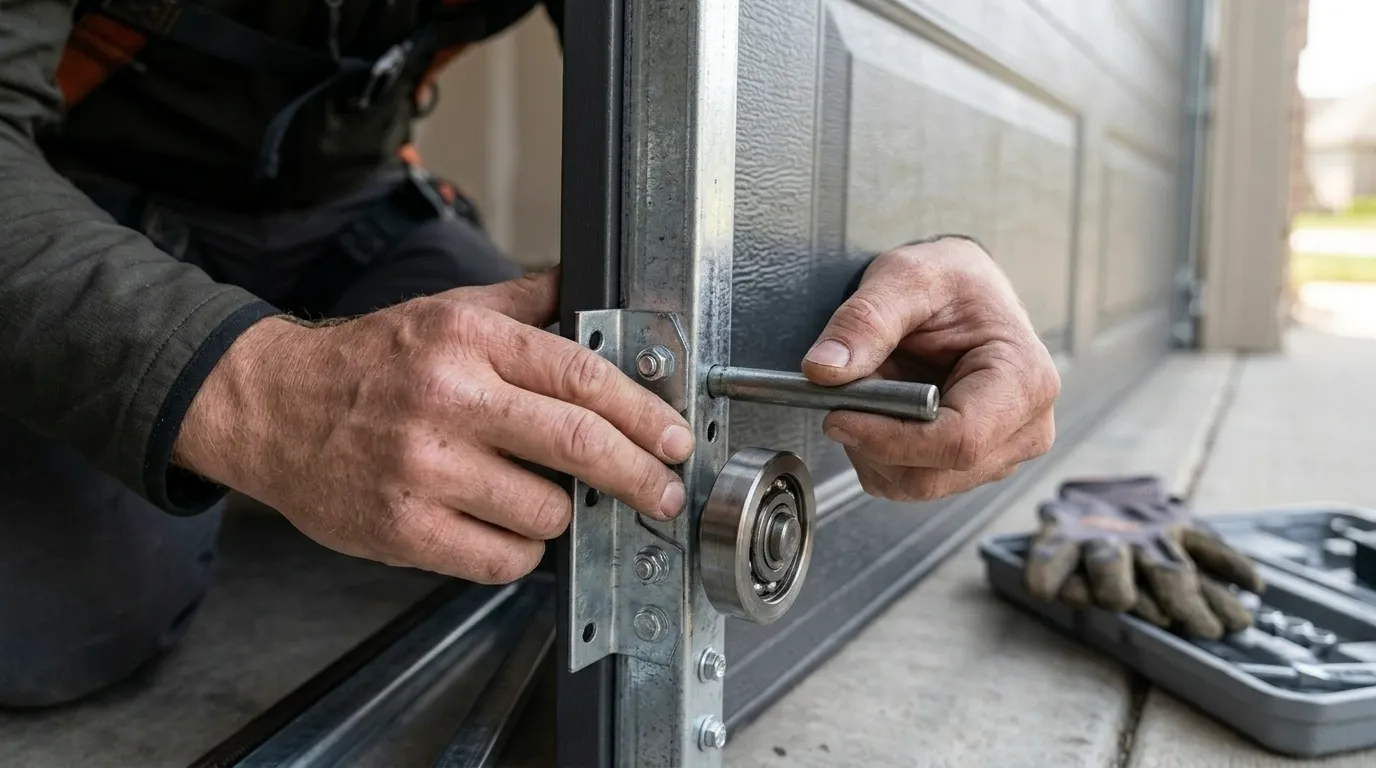
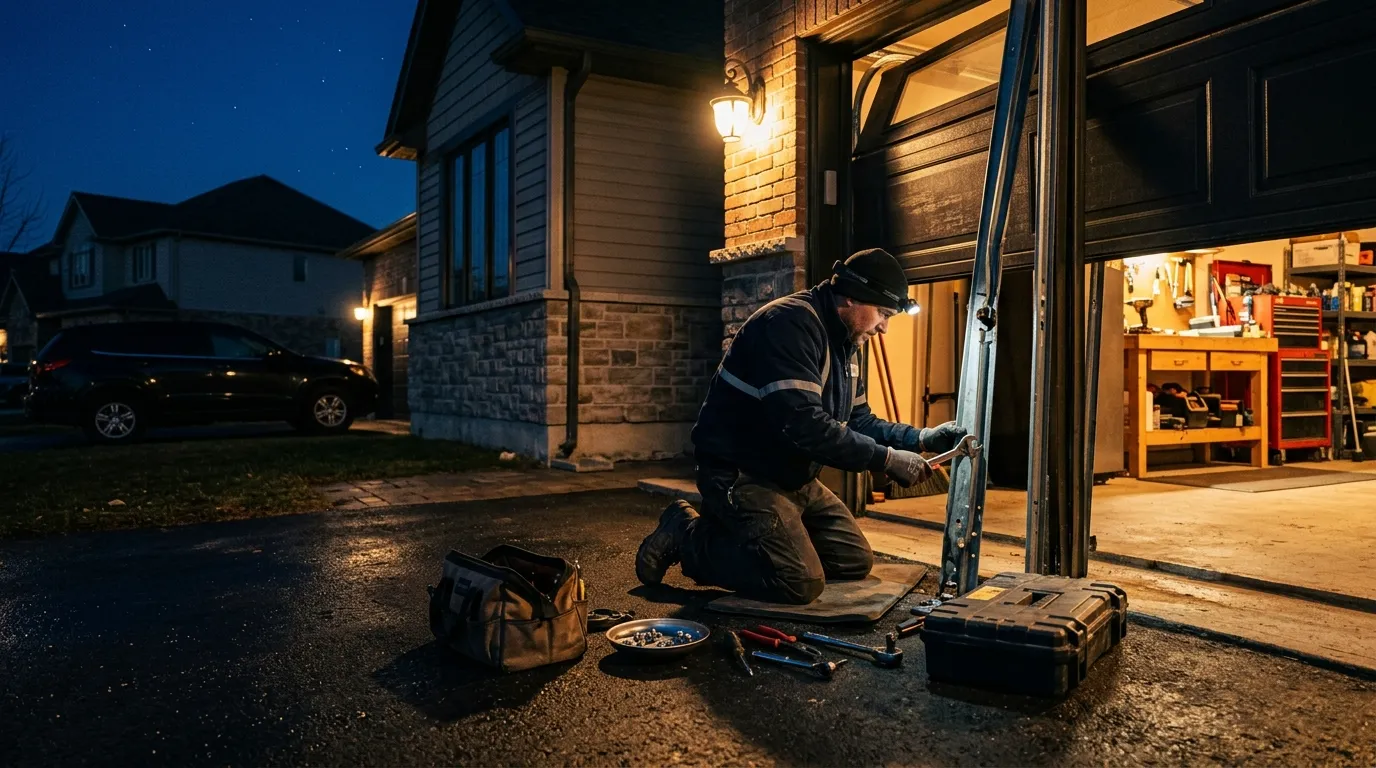
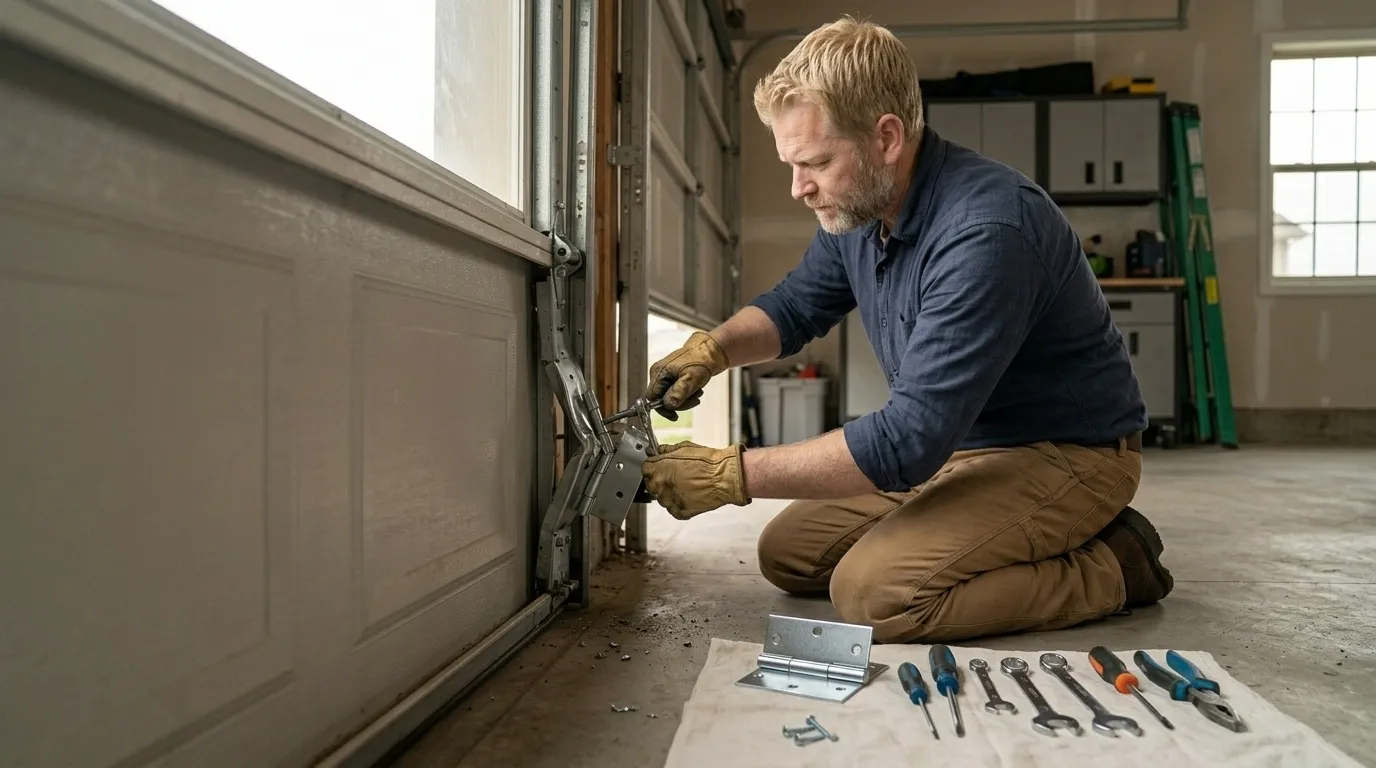
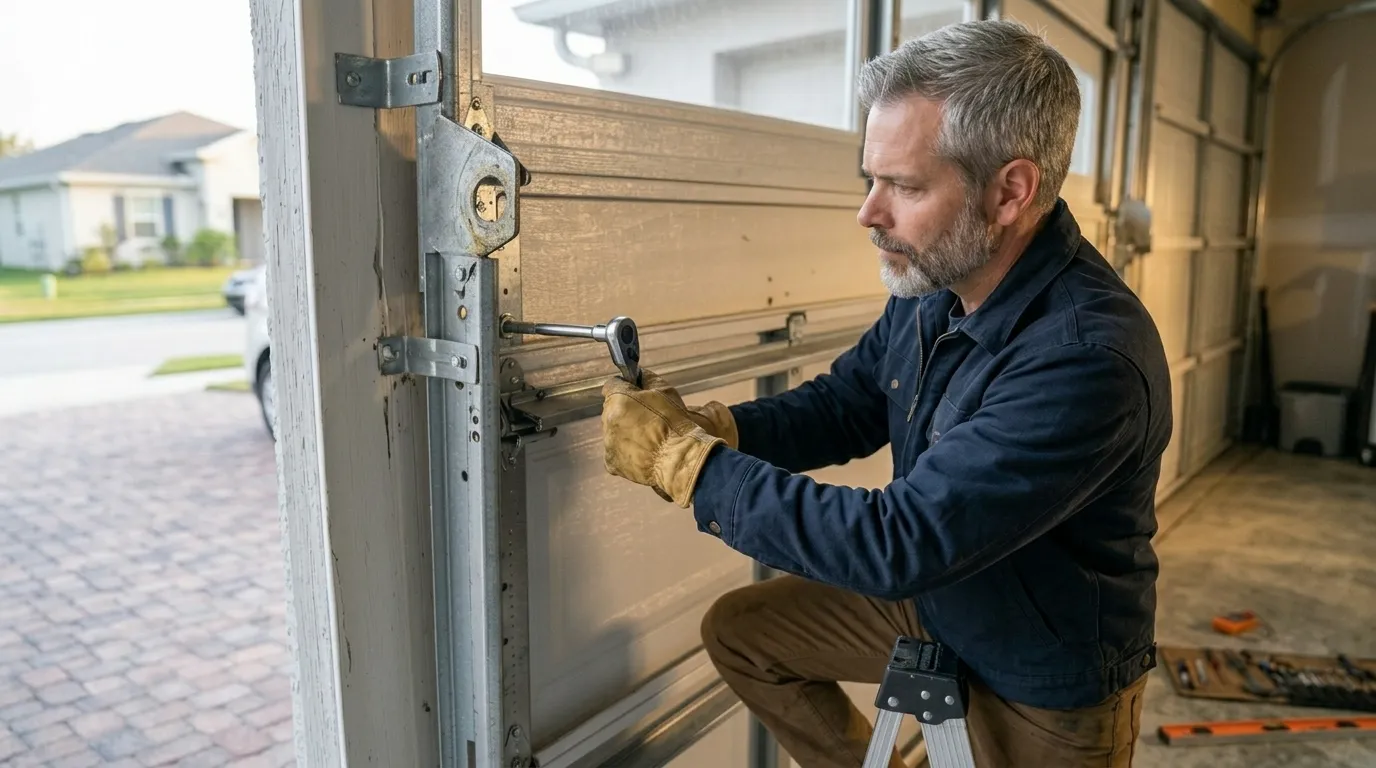
If your door groans or catches partway up, especially in the morning after a damp night, that's usually corrosion on the track bolts or a roller that's stopped turning - common on original doors from the area's 1980s and 90s tract wave. A door that's noticeably heavier to lift by hand than it used to be is telling you a spring has lost tension, not that the opener is failing; the opener is just fighting a spring that can't do its job anymore. Panels that have started to bow or dent along the bottom section, especially on doors facing the street, often point to age plus moisture working on the steel from the inside out. If the door reverses on its own or the opener runs but the door doesn't move, that's track or cable, and it's worth a look before it becomes a door that's stuck in whatever position it happens to be in. None of these symptoms mean you need a full replacement - sometimes a spring and a set of rollers solves it - but on a door that's already thirty-plus years old, a repair sometimes buys you a year and a replacement buys you two decades. We'll tell you honestly which one you're looking at.